

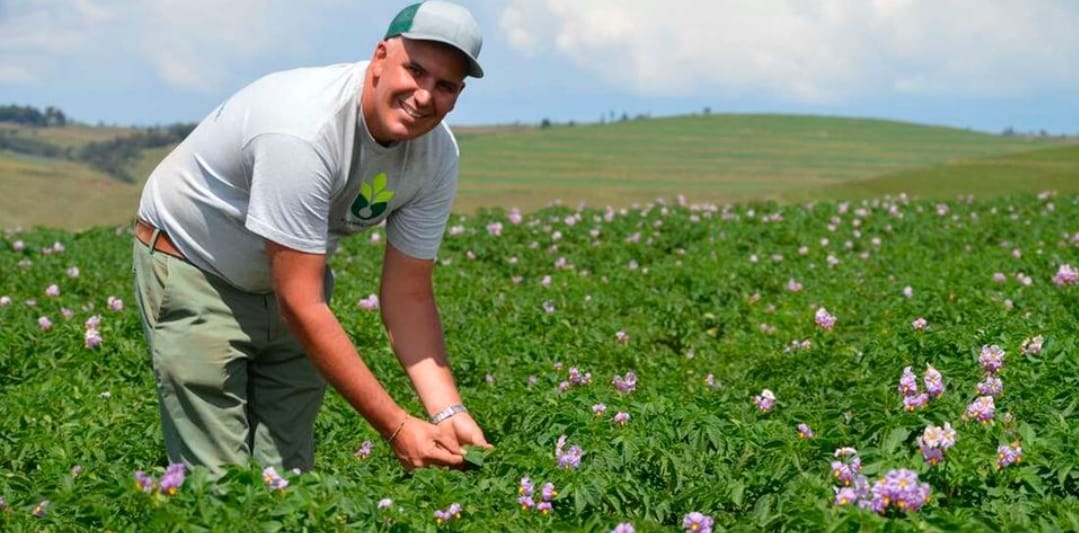
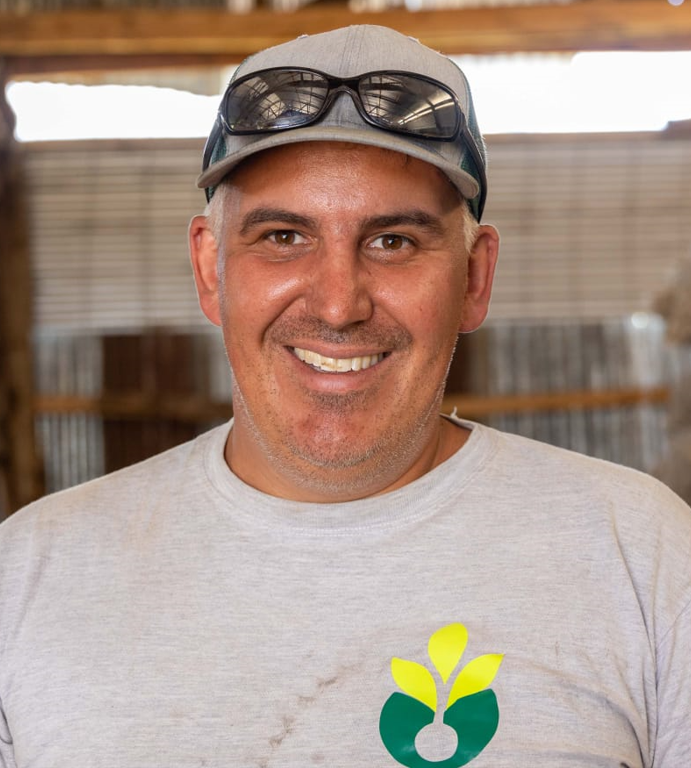
As Kenya prepares to welcome the global potato industry to Naivasha for the World Potato Congress 2026, FreshCrop CEO Chris Gasperi tells the story of how a market opportunity, a seed shortage and an encounter with potato science led him towards a bigger ambition: connecting the people, businesses and ideas that make the potato economy work.
Chris Gasperi did not set out to build a potato seed business, a farmer-training network or a processing operation. He started by growing potatoes in Kenya and trying to make a business out of them.Like many entrepreneurs, he discovered that the opportunity was not necessarily where he had expected it to be.
He had land, he could grow potatoes, and there were buyers. But selling a crop was not as straightforward as producing it. An early experience selling through a broker exposed him to the realities of market requirements, including packaging expectations he had not anticipated. It was a lesson in how little control a farmer could have over the transaction once the produce left the farm. Rather than accept that as the way things had to work, Chris began looking for a better route to the market.
He had noticed that a school in the Nakuru area was receiving potatoes from a supplier whose source was unclear and whose produce was not always of the best quality. Chris approached the school with a simple proposition: he was already travelling between his farm and the area regularly. Why not supply the potatoes himself? He had a pickup truck. He could deliver.
What began as a direct supply arrangement soon grew. Chris started supplying other international schools, hotels and restaurants, including properties within the Sarova Group. His own farm could not produce enough to meet all the orders, so neighbouring farmers began asking whether they could supply him with potatoes to take to his customers. The arrangement made sense to everyone. Farmers had an alternative to brokers, while buyers had a more direct connection to the people growing their food. Chris had stumbled upon an important business principle: sometimes the opportunity is not simply in producing more, but in connecting people who need one another.
He was still relatively new to the potato industry. He did not yet know how much that principle would shape the business he would eventually build.
When the seed ran out
The next chapter began with a problem that had nothing to do with finding a buyer. Chris and a group of farmers were preparing for another planting season. They had ordered seed potatoes from the Agricultural Development Corporation (ADC), paid for them and made arrangements to prepare their land. When they returned to collect the seed, they were told there was none available.
Chris never established the full circumstances behind the shortage. His understanding was demand oustripped supply, earlier oders had taken up the available stocks leaving many more farmers in the queue. He was told the seed might not be available again for another two years, and his money refunfed. Two years was not a workable answer for farmers who had already prepared for the season. So they did what farmers often do when faced with a shortage. They asked around. Who had seed? Who could spare some? Could they pool what they found and get the crop planted? They managed to get through the season by bringing planting material together and exchanging seed between farms.
At the time, Chris was still learning about potatoes. His professional background was in medicine, while his family’s business experience included an eatery, catering, prepackaged meals and some specialist farming. He had grown crops such as long hot peppers, but potatoes were a different proposition. He did not know much about potato diseases. Potatoes were not traditionally grown in the area where he had previously concentrated his farming interests. Then he began noticing things on his farm that he had not seen before. Plants were wilting. Other symptoms appeared. Something was wrong.
By the end of the season, he discovered that his farm had been contaminated with potato cyst nematodes, a serious soil-borne pest that can persist in the ground and make potato production extremely difficult. He was angry. He wanted to understand how this could happen and why farmers had so little reliable seed available to them in the first place. That search for answers would take him from commercial potato supply into the world of potato science.
Discovering the opportunity in clean seed
Through a mutual contact, Chris connected with the International Potato Center (CIP). A scientist, Monica Parker, introduced him to Simon Ndirangu, whom he identifies as another scientist who helped guide him into the subject. They were involved in work on apical rooted cuttings, a method of rapidly multiplying potato planting material. This was an introduction to a different side of the industry. He began to understand that the challenge was not simply a shortage of potatoes. There was a much deeper problem in the availability of quality seed.
He recalls learning that Kenya was producing only about 5% of the seed potato volume required by the market at the time, a gap large enough to change his thinking. If farmers could not obtain adequate quantities of healthy seed, how could they consistently produce the volumes and quality that commercial buyers needed? And if the country depended on a limited supply of planting material, what would happen as demand for potatoes continued to grow? Chris was introduced to the possibility of multiplying clean material through rooted cuttings. He participated in a trial and, by his account, achieved 100% survival in his plot, making him one of the first farmers in that trial group to do so.
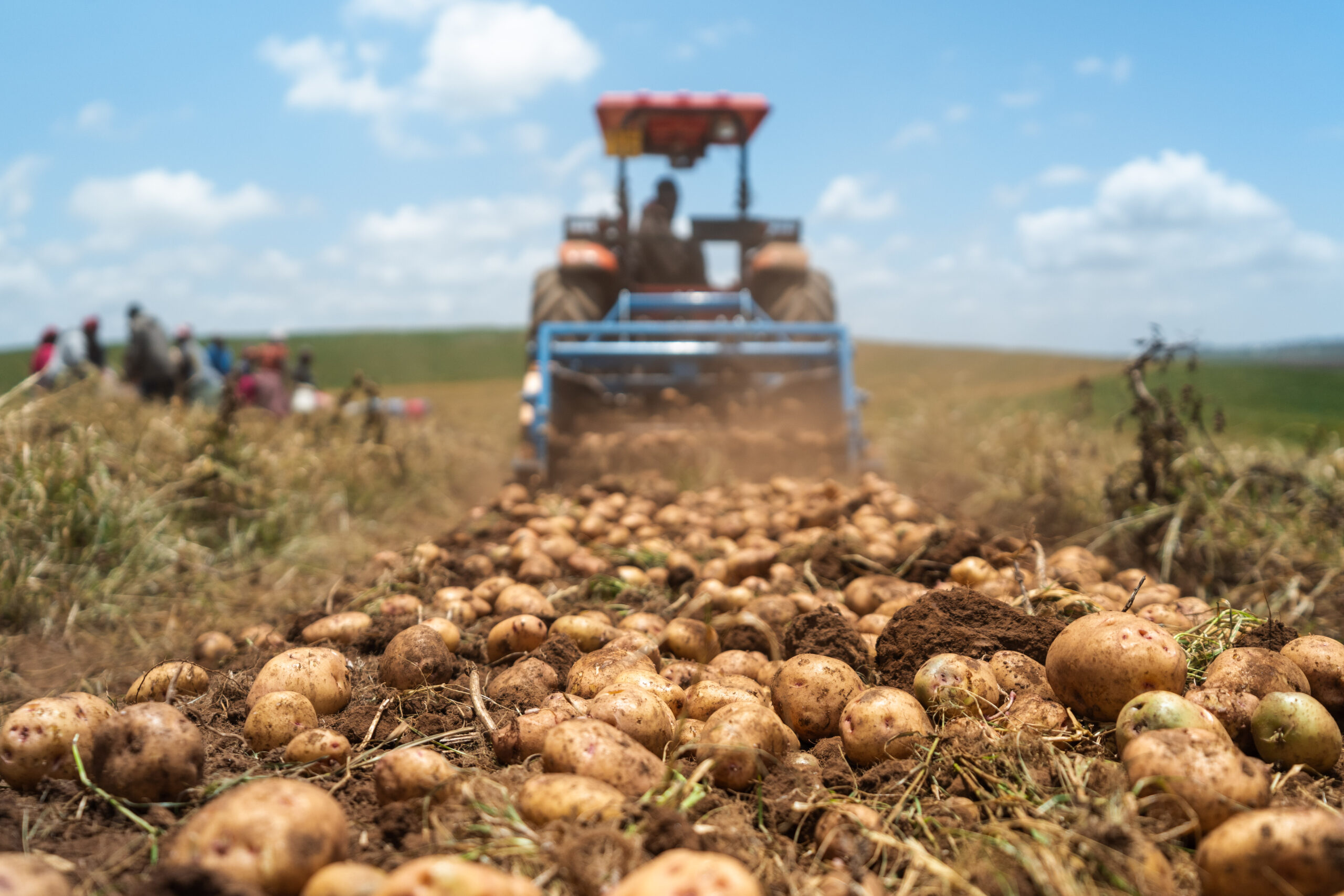
That success encouraged him to look beyond the immediate benefits of the technology. There was a substantial market opportunity in seed production. It would not be easy, but there was a problem worth solving and a business worth exploring. Chris decided to find land where he could begin multiplying seed on a larger scale.
The search for a farm
His search took him to Nyandarua, which he understood to be Kenya’s leading potato-producing region. At first, the area looked promising. There was land, there were farmers, and potatoes were already an important part of the agricultural economy. But he soon encountered the problem that had driven his own search for answers: soil-borne diseases. He began testing farms, hoping to find land suitable for seed multiplication. One promising property after another presented problems. Potato cyst nematodes kept appearing. Bacterial wilt was another major concern.
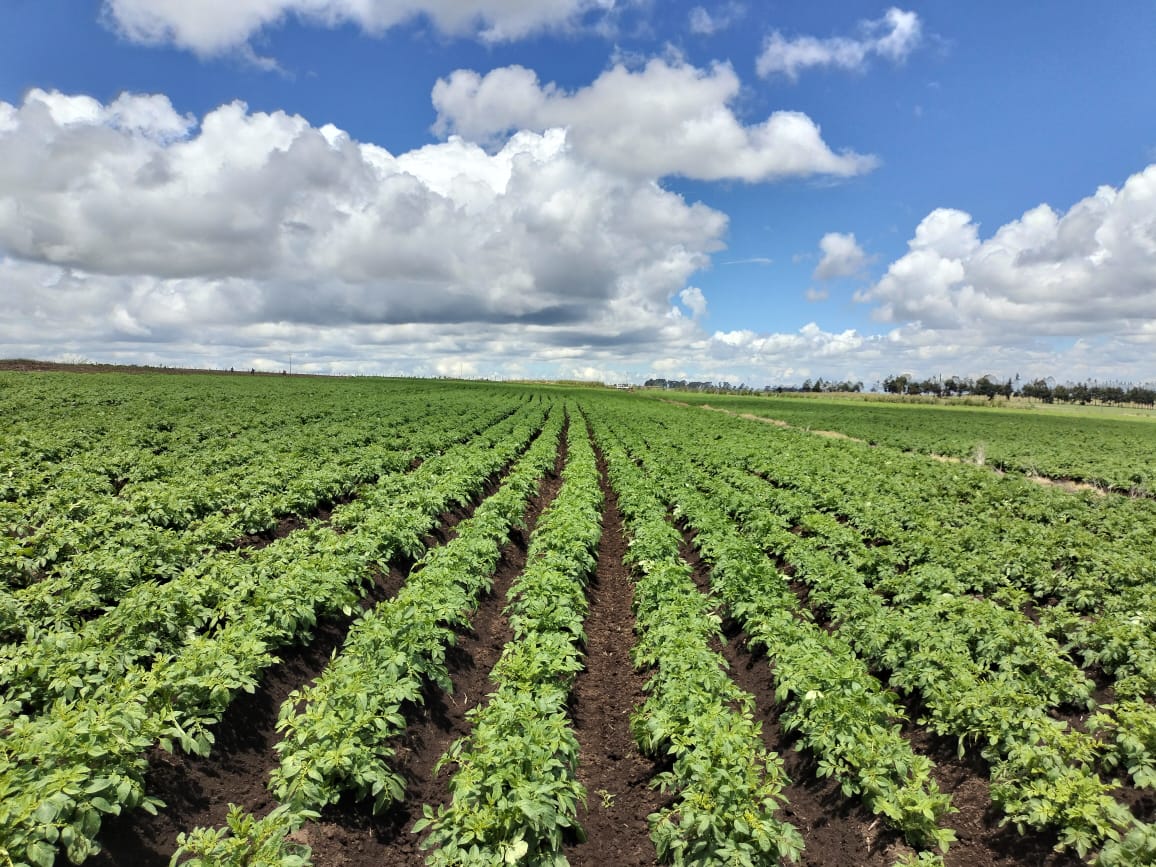
Chris began to wonder whether he would ever find a farm on which he could confidently start the business. Eventually, the broker helping him with the search offered an alternative. He had land of his own that was not being used for crops and was mainly associated with his dairy operation. Why not try growing potatoes there? His name was Gilbert, and the two agreed to work together. They began with approximately one to two hectares of directly rooted cuttings. It was a modest beginning compared with what FreshCrop would eventually become, but it gave Chris a way to start testing the commercial potential of seed multiplication.
He was learning as he went. And, as he would discover, producing seed at scale was a very different business from growing potatoes for the table.
The mathematics of multiplication
Chris had initially thought of his 45-acre farm as a substantial operation. But potato seed production taught him to think about land differently. The process from initial rooted cuttings to certified seed takes time. Chris estimates that it can take about two and a half years, depending on the production pathway. At successive multiplication stages, the quantities of planting material increase, but so does the land required to grow it. He explains the challenge using a simple illustration: if a farmer plants one acre at one stage, the next stage could require ten acres, followed by 100 acres at the subsequent stage.
The precise multiplication ratio varies with the method and conditions, but the lesson was immediate. A seed business could outgrow its land much faster than Chris had anticipated. He needed a way to expand production without having to own every acre himself. The solution seemed familiar. He had already built a network of farmers through his commercial potato supply business. Perhaps the same relationships could help him multiply seed.
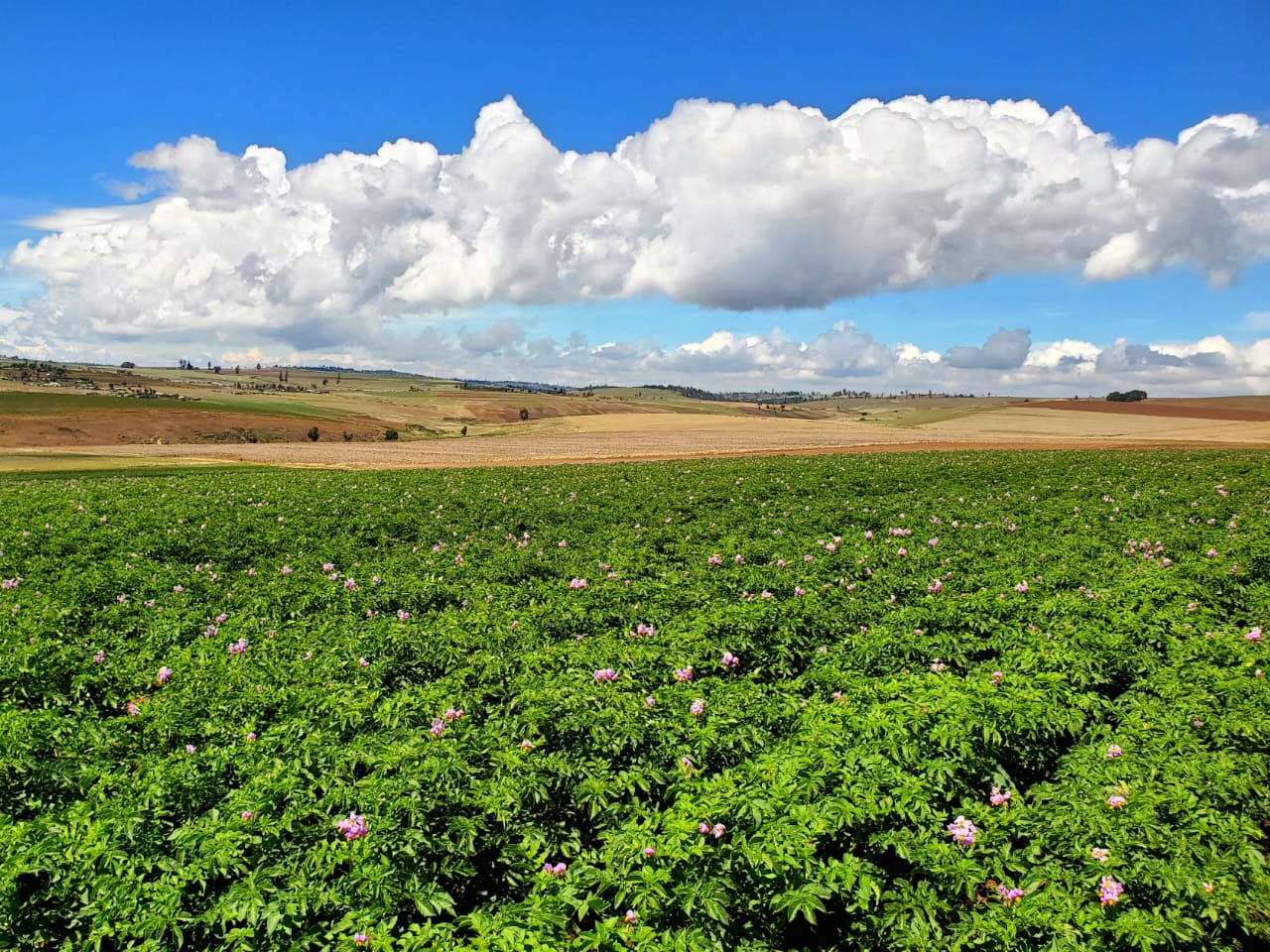
FreshCrop began experimenting with decentralised seed production. Chris would start with the initial planting material, multiply it and distribute it to contracted farmers, who would grow it through subsequent stages before returning the seed for sale. The network expanded to approximately 35 seed producers. There was real promise in the model. It extended the company’s production capacity and created opportunities for other farmers to participate in the seed business. But the arrangement also brought challenges.
Farmers were not always familiar with the quality differences between seed potatoes. Two tubers could look almost identical but have very different values, depending on their classification and quality. Some of the high-quality material supplied for multiplication did not come back as agreed. Chris began to realise that decentralised production needed stronger quality controls and closer management. He did not abandon seed production. He had seen enough to know that the business had potential. Instead, he reconsidered how best to scale it.
A partnership with Purko Sheep Ranch gave FreshCrop access to a larger farm of approximately 200 acres in the Maili Nne/Narok area under a partnership a cost and profit sharing model. FreshCrop managed seed multiplication allowing larger volumes to be produced. A further co-investment arrangement with Craft SNV, a Dutch NGO helped extend the business’s reach. Each stage brought a new lesson. The opportunity was not simply to multiply seed, but to develop a reliable system capable of delivering quality planting material at the scale the market required.
Taking the farmer along
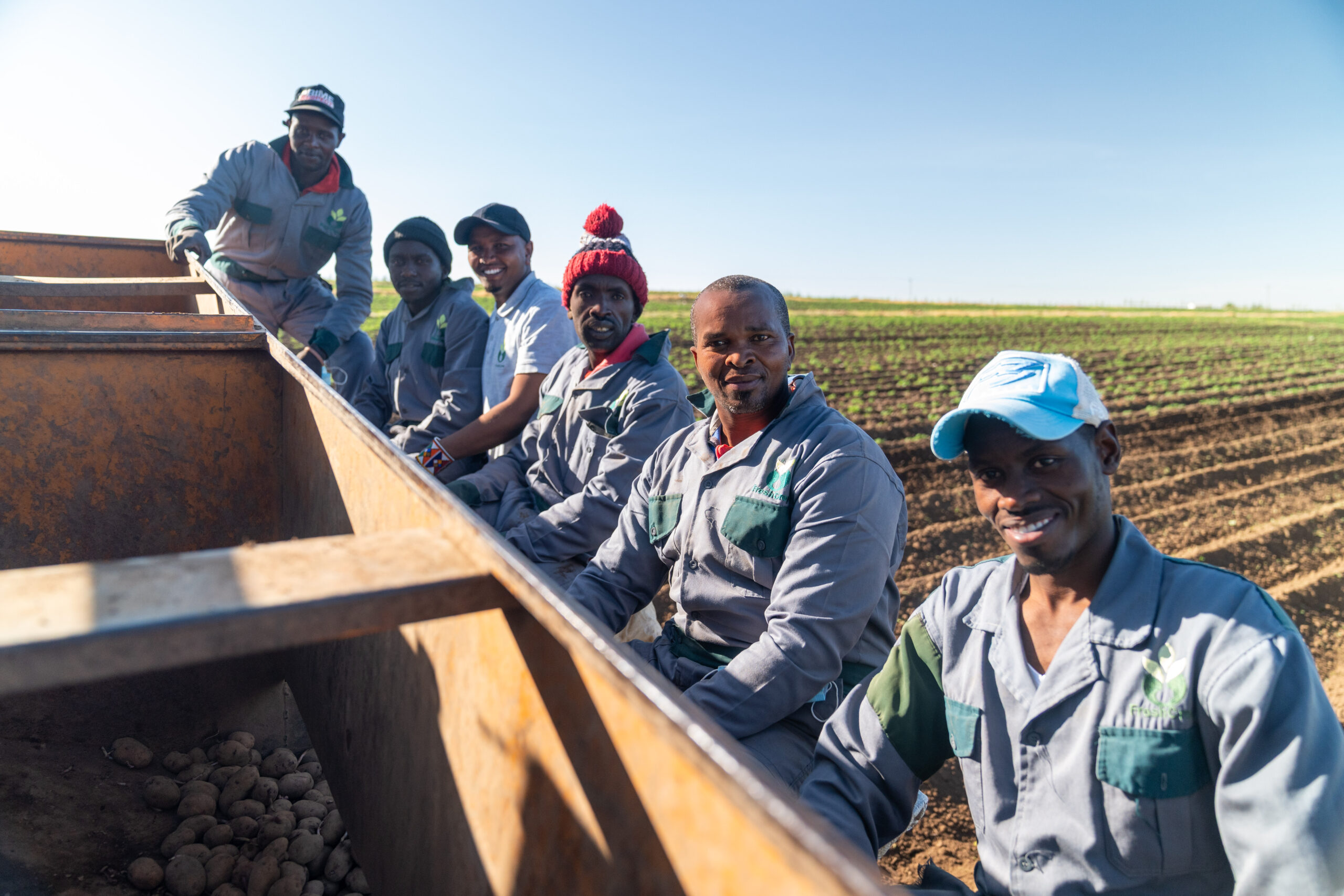
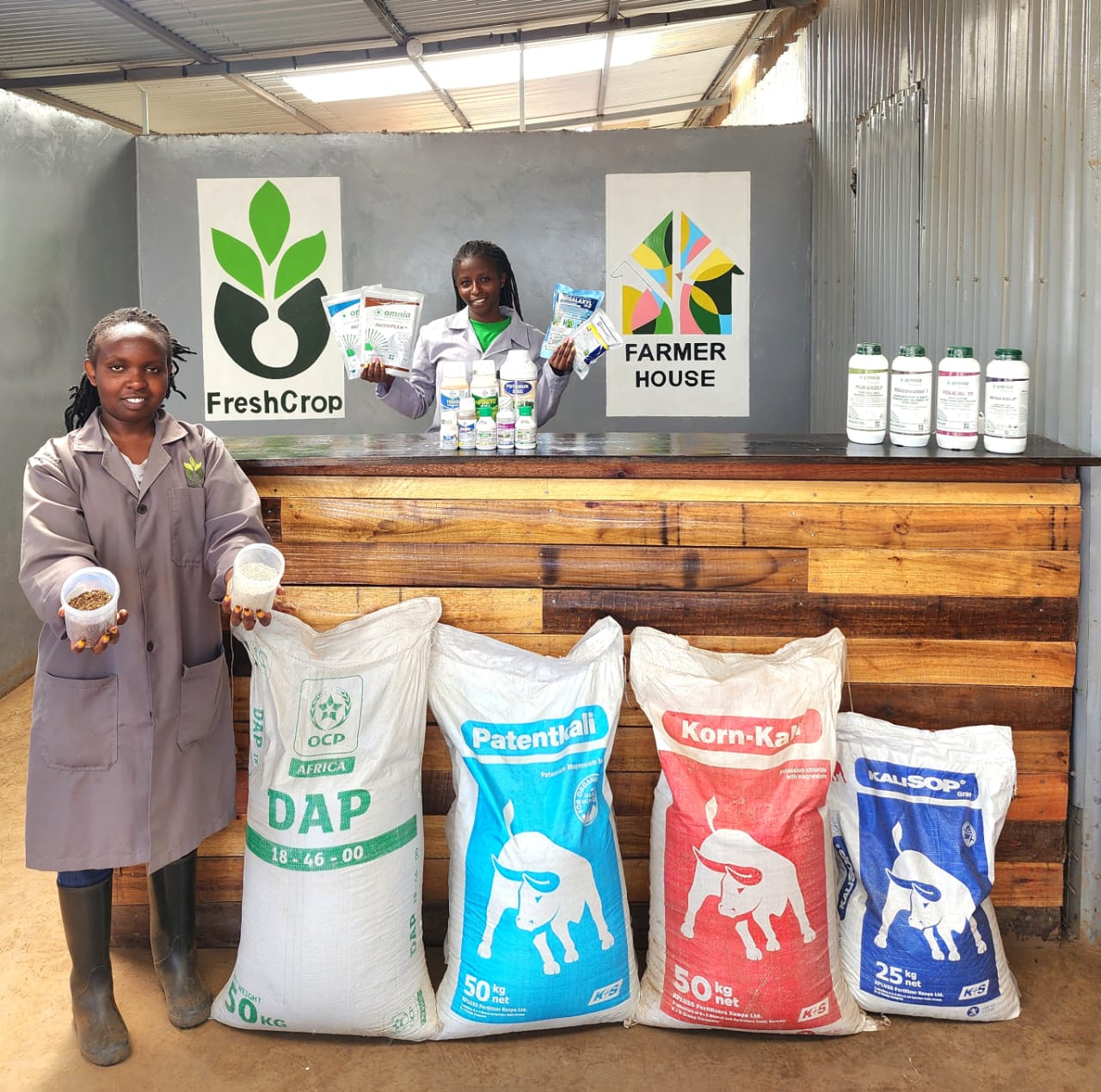
As FreshCrop worked with smallholder farmers, Chris began to see that supplying quality seed was only one part of the problem. Farmers needed to understand what they were buying, how to manage the crop and how to get the best results from their investment. They needed practical information about climate-smart agriculture, soil health, fertiliser, crop protection and the management decisions that affect yields. Through its partnership with Craft SNV, FreshCrop developed a training-of-trainers programme. These trainers eventually became what the company calls FreshCrop ambassadors.
The programme combined demonstrations with farmer education, including comparisons between certified seed and locally traded planting material. The aim was to show farmers what quality seed could achieve when combined with sound crop management. Chris recalls conducting approximately 50 to 60 demonstrations per season and working with around 150 trainers across potato-growing regions. He estimates that between 10,000 and 12,000 farmers were reached through the training and education programme. The numbers are significant, but the business lesson is just as important.
The programme helped farmers improve their understanding of production practices while introducing FreshCrop to growers in different regions. It created relationships, developed demand and gave the company a way to communicate with farmers beyond the immediate area around its own farms. In other words, the business was no longer just producing seed and waiting for customers to arrive. It was helping farmers understand the value of the product and the management practices needed to benefit from it. The same thinking would influence another FreshCrop initiative: the farmer field day. Small demonstrations were useful, but Chris wanted to bring more farmers together in one place and introduce them to a wider range of industry participants.
Why not bring the seed companies, input suppliers, technology providers and other stakeholders to the same location? Farmers could see the products, ask questions, compare approaches and learn from one another. The field day became a way of taking farmer education beyond individual plots and creating a meeting point for the potato industry. It was also an early expression of an idea that would become central to Chris’s broader vision: the potato economy works better when the people within it can see and understand what the others are doing.
Finding the right potato for the right market
That principle now extends to the varieties FreshCrop evaluates. Developing a new potato variety can take eight to ten years, Chris explains, as breeders make successive crosses, select promising material and conduct evaluations. FreshCrop works with breeding partners that provide advanced clones for testing under Kenyan conditions. The company does not carry out the entire breeding process. Its role is to evaluate promising material and help determine which selections might perform well in the local environment and meet commercial requirements. Chris says FreshCrop has received batches of between 70 and 150 clones in a season over roughly the past year and a half, from CIP. The company evaluates the material, sometimes maintaining trials involving close to 200 selections. Many are discarded after initial planting, while only a small number progress to further evaluation. He estimates that two or three selections from a batch may advance. But there is another consideration beyond how well a potato grows.
A variety intended for crisps may have different requirements from one intended for French fries or the fresh market. A selection can perform well in the field and still struggle commercially if it does not meet the needs of the buyer. FreshCrop therefore considers market potential alongside agronomic performance. Its experience in commercial supply and processing provides an opportunity to assess potatoes beyond the farm and understand what different buyers require. This matters in a market where farmers cannot afford to make production decisions without considering the eventual destination of their crop.
Seed availability, growing conditions, consumer preferences and processor specifications all influence which varieties become commercially successful. A promising variety must pass through several stages before it becomes a viable option for farmers. FreshCrop has been evaluating varieties sourced through international breeding partnerships, including material associated with Europlant and Meijer, German and Dutch seed companies respectively. The broader objective is to bring research, seed multiplication, farmer adoption and market demand closer together.
From growing potatoes to processing them
By the time FreshCrop began expanding into processing, Chris had spent years learning about the relationships between farmers, seed producers, traders and buyers. Processing introduced another set of requirements. A processor needs potatoes that meet particular specifications, arrive in sufficient quantities and are delivered reliably. The variety matters. So do crop management, harvesting, handling and the coordination of production across farms. A factory cannot operate sustainably if the supply of suitable raw material is uncertain.
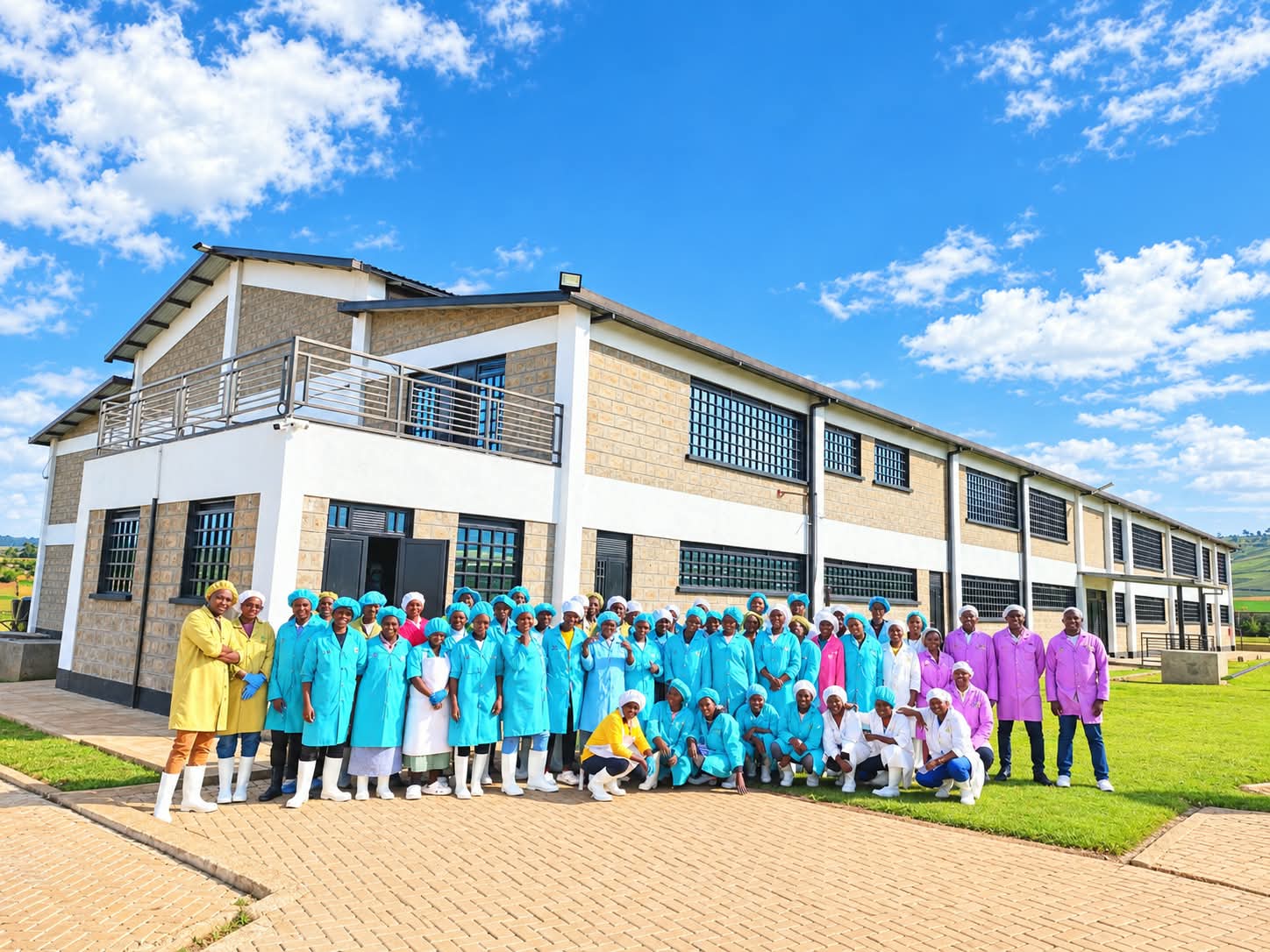
FreshCrop’s FreshChips operation began running in January 2026, according to Chris. The ambition is to build a more dependable route from contracted production to processed products, with commercial relationships helping to anchor demand. Chris has identified relationships with buyers including Simbisa Brands, Java, Naivas and major hotels. Astronger relationship between farmers and processors can potentially offer clearer production targets and greater visibility of demand. Processors working closely with growers can improve supply planning, while the wider industry gets an opportunity to coordinate production around what the market actually needs. This is where Chris’s earlier experience becomes relevant again. The entrepreneur who once drove potatoes to customers in his pickup truck had learned that a market connection could change a farmer’s prospects. The challenge now was to build those connections into a system capable of supplying a processing operation consistently.
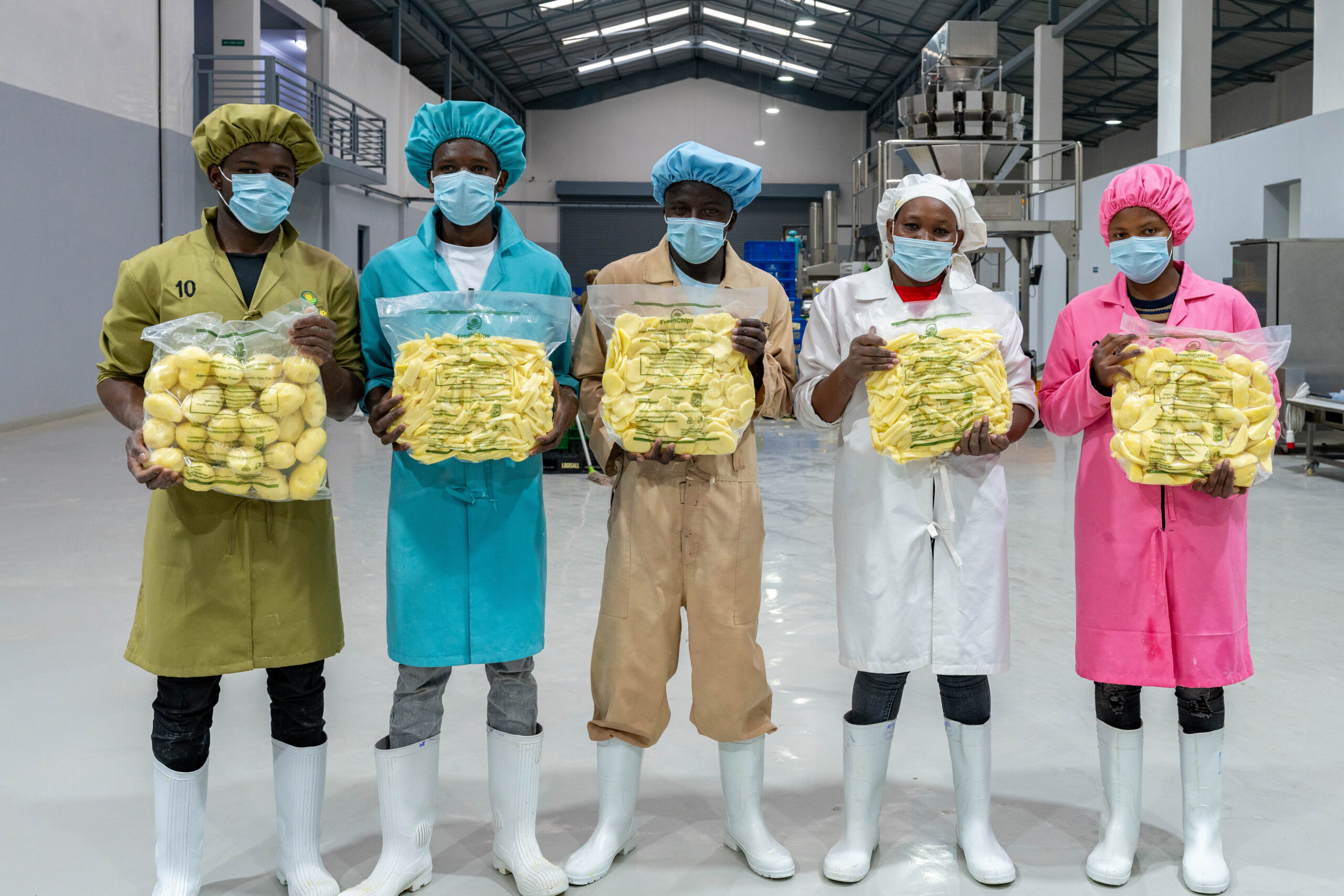
FreshCrop’s development has therefore been less about adding unrelated activities and more about responding to the challenges encountered at each stage of the business. A market opportunity led to direct supply. A seed shortage led to seed multiplication. The demands of seed production led to partnerships and farmer networks. Farmer education led to demonstrations and field days. And the requirements of commercial supply created a case for processing. Each stage brought the next question into view.
What else can the potato become?
The opportunities do not end with fresh potatoes, French fries and crisps. Chris has also described an initiative involving the recovery of protein from material left over from potato processing. According to his account, a partner in Nairobi processes this material, with the recovered protein sold to companies producing fortified maize flour. The idea raises a wider question for Kenya’s developing processing industry: can more value be recovered from the crop rather than treating residual material as waste? With appropriate technology, food-safety controls and commercial feasibility, some processing by-products may have uses in other industries. Such opportunities could help reduce waste and create additional revenue streams.
Nutrition is also part of the conversation. Potatoes can contribute energy and useful nutrients to diets, although their overall nutritional contribution depends on how they are prepared and consumed. As processed products become more prominent, questions of product quality and dietary balance deserve attention alongside commercial growth. Chris says the wider potential of the crop lies in exploring different uses and finding ways to connect them to viable markets. That is another reason the potato should be viewed as an economy, not simply a crop.
*A journey that leads to Naivasha*
Chris’s relationship with the World Potato Congress began long before Kenya secured the opportunity to host the 2026 event. As an emerging seed producer, he received a bursary to attend a congress in Ireland, where he presented FreshCrop’s work through a poster presentation. He later attended the congress in Australia. Those experiences gave him a view of the international potato industry and the value of bringing researchers, growers, breeders, processors, technology providers and policymakers together. The journey towards hosting the congress in Kenya started with a discussion brtween the National Potato Council of Kenya (NPCK) and FreshCrop, alongside government and private-sector participation, and the rest is history!
The opportunity extends beyond hosting an international event. The congress provides a platform to showcase the country’s industry, engage with international experience and explore technologies and commercial approaches that may be adapted to local conditions. Under the theme Global Potato Partnership for Enhanced Food Systems, Nutrition Security and Trade, WPC 2026 brings international attention to the crop and the people and institutions whose decisions determine its future.
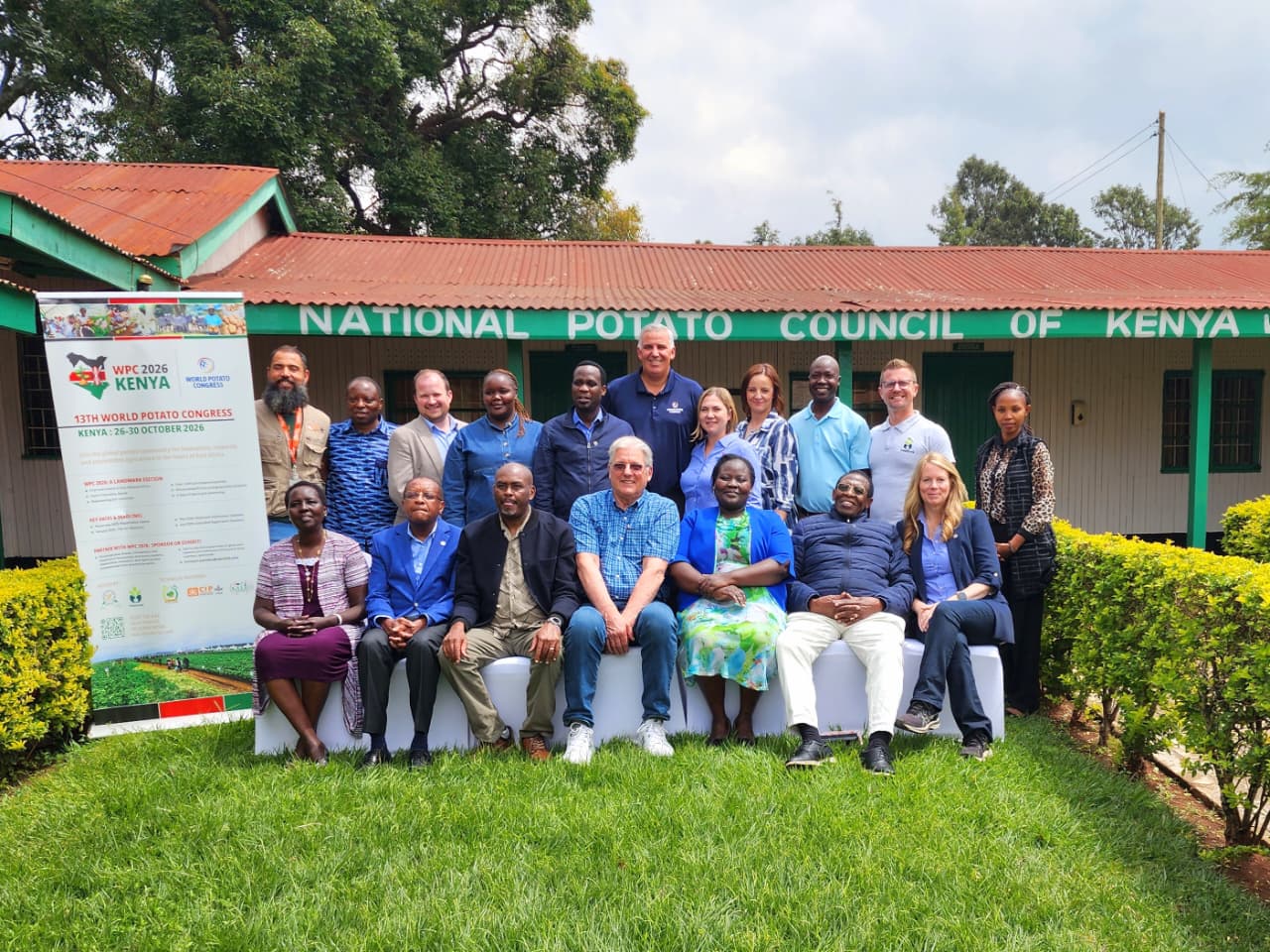
Chris’s own journey gives him a particular perspective on that opportunity. He has experienced the potato industry from several sides: as a grower trying to find a market, as an entrepreneur searching for seed, as a seed producer learning to scale and as a business owner trying to connect farmers to commercial opportunities. He has also seen how much can be achieved when people with different expertise work together.
Bringing the industry to the farm
One of the practical elements of WPC 2026 is its programme of technical visits, designed to take delegates beyond the conference venue and into the institutions and businesses involved in Kenya’s potato sector. The programme described by Chris includes activities linked to potato breeding at the Kenya Agricultural and Livestock Research Organization (KALRO), plant-health and regulatory work involving the Kenya Plant Health Inspectorate Service (KEPHIS), and commercial processing. The Nakuru route brings delegates to FreshCrop’s farm, where the company’s farmer field day forms part of the wider congress programme.
The event is intended to provide a practical setting for examining seed, crop management, agricultural inputs and technologies. International seed producers and other technology providers are expected to present material relevant to growers, alongside products and practices for local evaluation. Chris says sponsorship has been arranged to enable 1,500 farmers from potato-growing counties across Kenya to attend.
The intention is important. The congress should not be an event experienced only by executives, researchers and international delegates gathered in Naivasha. It should also create opportunities for Kenyan farmers to engage directly with the people and technologies shaping the industry. A demonstration can make an unfamiliar variety or technology easier to assess. Suppliers can explain their products and hear questions from potential users. Researchers and international visitors can gain a closer understanding of the conditions in which Kenyan farmers operate.
The work that begins after the congress
Chris’s journey began with a relatively simple problem: how to get potatoes from a farm to a buyer who needed them. Over time, that question opened up others. Where would the seed come from? How could its quality be assured? How could production be scaled? What would farmers need to know? Which varieties would the market accept? How could a processor secure reliable supplies? Each question revealed another connection that needed to be strengthened. FreshCrop’s experience offers one perspective on how a more connected potato economy might develop: evaluate varieties with a market in mind, support farmers with practical advice, build relationships with buyers and develop processing capacity alongside a dependable supply base.
The approach will need to be adapted to different regions, businesses and farming systems. But the underlying principle is relevant across the industry: production decisions become more effective when farmers understand the market they are producing for, and when the rest of the value chain is organised to support them. Kenya’s hosting of WPC 2026 creates an opportunity to bring those questions into sharper focus.
The congress will attract attention, showcase technologies and create opportunities for new relationships. Its longer-term value will depend on whether that attention translates into stronger businesses, better-informed farmers, more reliable markets and greater value from the crop.
Story developed by Catherine Riungu, Chris Gasperi, Ashley Gasperi and Victor Prince.
For further information – Catherine@hortinews.co.ke