

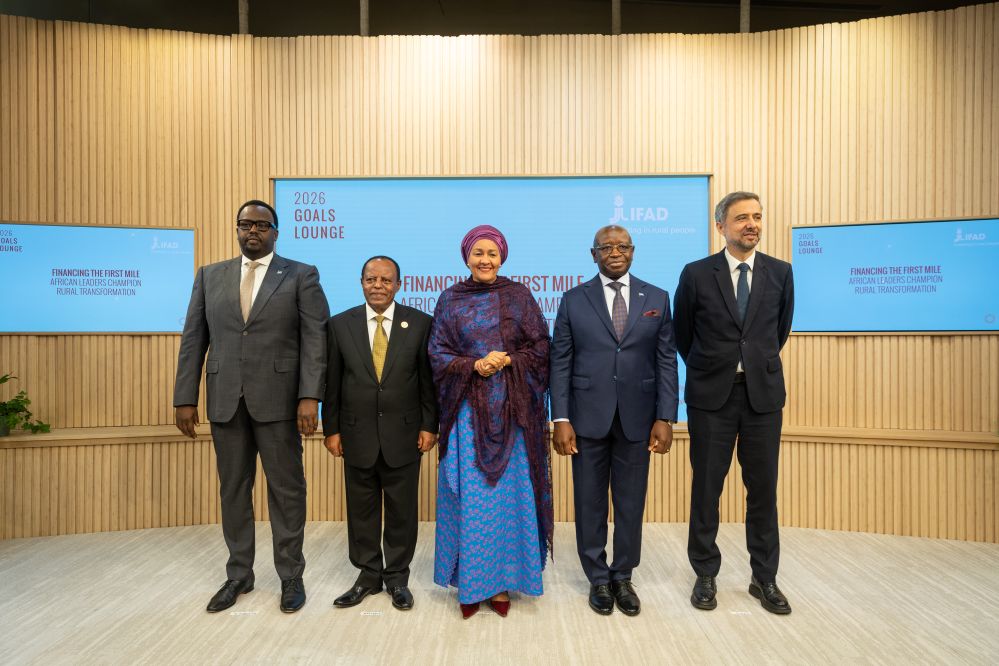
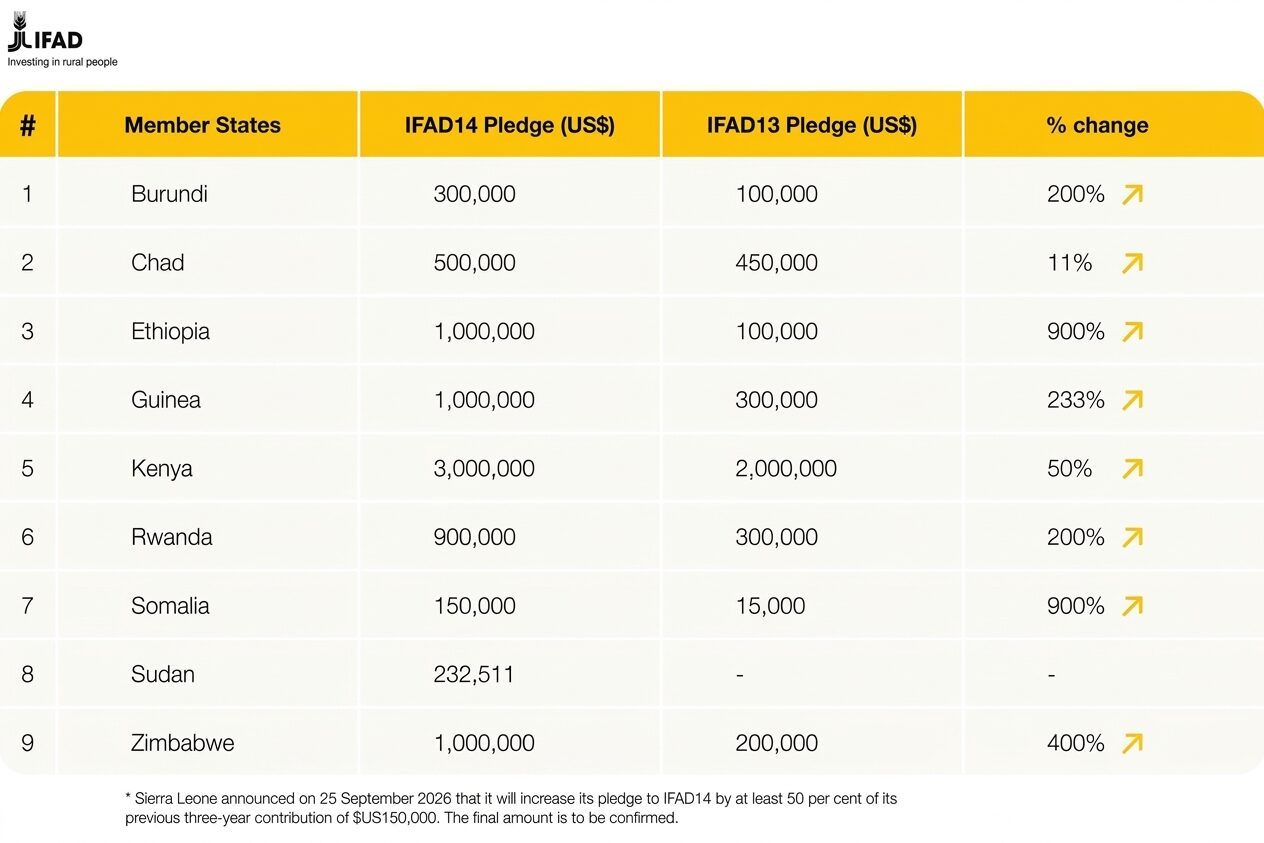
Ten African countries, including Kenya, have pledged nearly US$9 million to the International Fund for Agricultural Development (IFAD) for its 2028–2030 funding cycle, strengthening calls for greater investment in rural communities, small-scale farmers and climate-resilient agrifood systems. The commitments were announced during the high-level meetings of the 81st Session of the United Nations General Assembly in New York on 25 September 2026, as energy, climate and conflict shocks continue to put pressure on food systems and rural livelihoods.
Burundi, Chad, Ethiopia, Guinea, Kenya, Rwanda, Sierra Leone, Somalia, Sudan and Zimbabwe are contributing to IFAD’s Fourteenth Replenishment, known as IFAD14, which will finance the organisation’s rural development work over the three-year period from 2028 to 2030. Several countries have more than tripled their previous contributions, with the largest increases reaching nearly ten times their earlier three-year commitments. The pledges signal growing recognition among African governments that investment in agriculture and rural economies is central to food security, job creation, economic growth and climate resilience.
Kenya increases its contribution by 50 per cent
Kenya has increased its pledge to IFAD14 by 50 per cent, according to President William Ruto, who described the commitment as an investment in rural communities and young farmers. “Kenya’s 50 per cent increase in its pledge to IFAD is an investment in our rural communities, and especially our young farmers who represent one of Africa’s greatest opportunities for growth and transformation,” Ruto said.
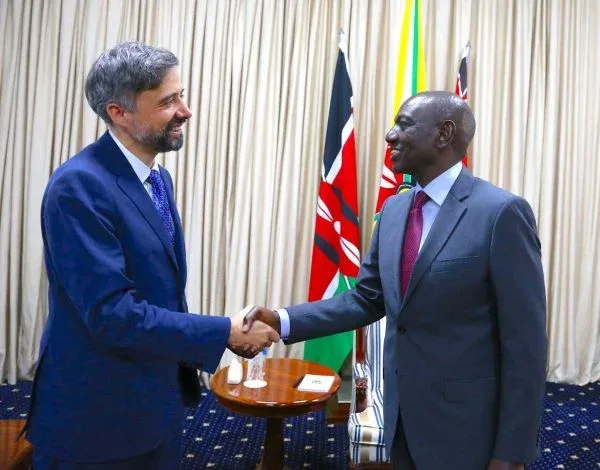
He called on other donors and development partners to increase their contributions to IFAD14, arguing that additional financing would help drive rural prosperity, strengthen food security and build resilience in Africa and beyond. The increased commitment comes as African countries seek to expand opportunities for young people entering the labour market, particularly through stronger rural economies and more productive agrifood systems.
IFAD positions rural investment as a driver of growth
IFAD President Dr Alvaro Lario said African leaders increasingly view the replenishment cycle as an important platform for strengthening the continent’s agrifood systems. “African leaders recognize IFAD14 as a critical platform for strengthening the continent’s agrifood systems,” Lario said. He noted that nearly 60 per cent of IFAD’s portfolio is invested in Africa, with the organisation focusing on the “first mile” of food systems, where rural producers and communities need investment to improve production, access markets and build sustainable livelihoods.
According to Lario, IFAD is positioned to channel and mobilise investment in rural areas where opportunities exist to create jobs, strengthen resilience and support inclusive economic growth. The organisation’s approach comes at a time when African countries face the combined challenges of food insecurity, climate change and the need to create employment for a growing young population.
Funding model seeks to multiply investment
IFAD combines contributions from member states with loan repayments, supplementary funding, borrowed funds and co-financing from national governments, development partners, private-sector actors and small-scale producers.
Through this financing model, the organisation says it can turn every dollar of core contributions into approximately six dollars of investment on the ground. IFAD also uses capital markets to mobilise additional resources. With an AA+ credit rating, it has issued more than US$1 billion in sustainable bonds since 2022, supporting investment in small-scale farmers, rural enterprises and climate-resilient food systems. The organisation is the only United Nations fund authorised to issue sustainable bonds on capital markets, according to its announcement.
Report points to gains in rural incomes and market access
IFAD’s latest development effectiveness report indicates that projects assessed under its most recent replenishment cycle increased rural incomes by an average of 34 per cent, raised agricultural productive capacity by 35 per cent and improved market access by 34 per cent. These results highlight the potential role of sustained investment in helping rural producers improve productivity, strengthen their businesses and connect to markets. For African agriculture, better market access and stronger productive capacity are particularly important for small-scale farmers seeking to increase their earnings and participate more effectively in commercial value chains.
African leaders call for stronger international support
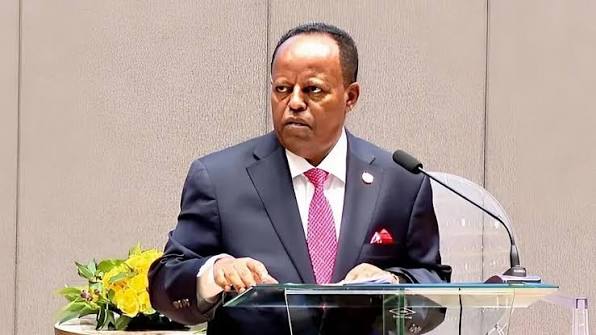
Other African leaders also highlighted the importance of rural investment in economic development and food security. Ethiopian President Taye Atske Selassie said his country’s commitment reflected the link between food security, economic prosperity and opportunities for young people. He called for greater African responsibility in financing rural development, arguing that transforming agriculture into an engine of growth requires the continent to take a leading role in supporting its own development.
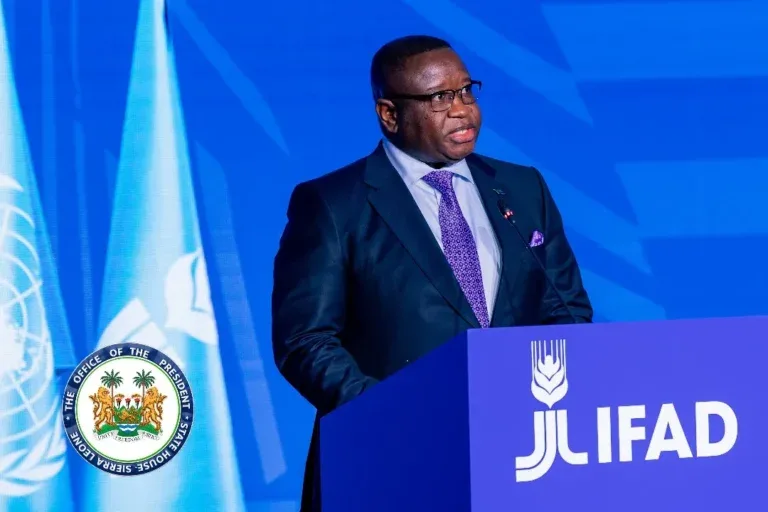
Sierra Leone President Julius Maada Bio described agriculture as fundamental to livelihoods and the future, calling for greater investment in the people who produce food.
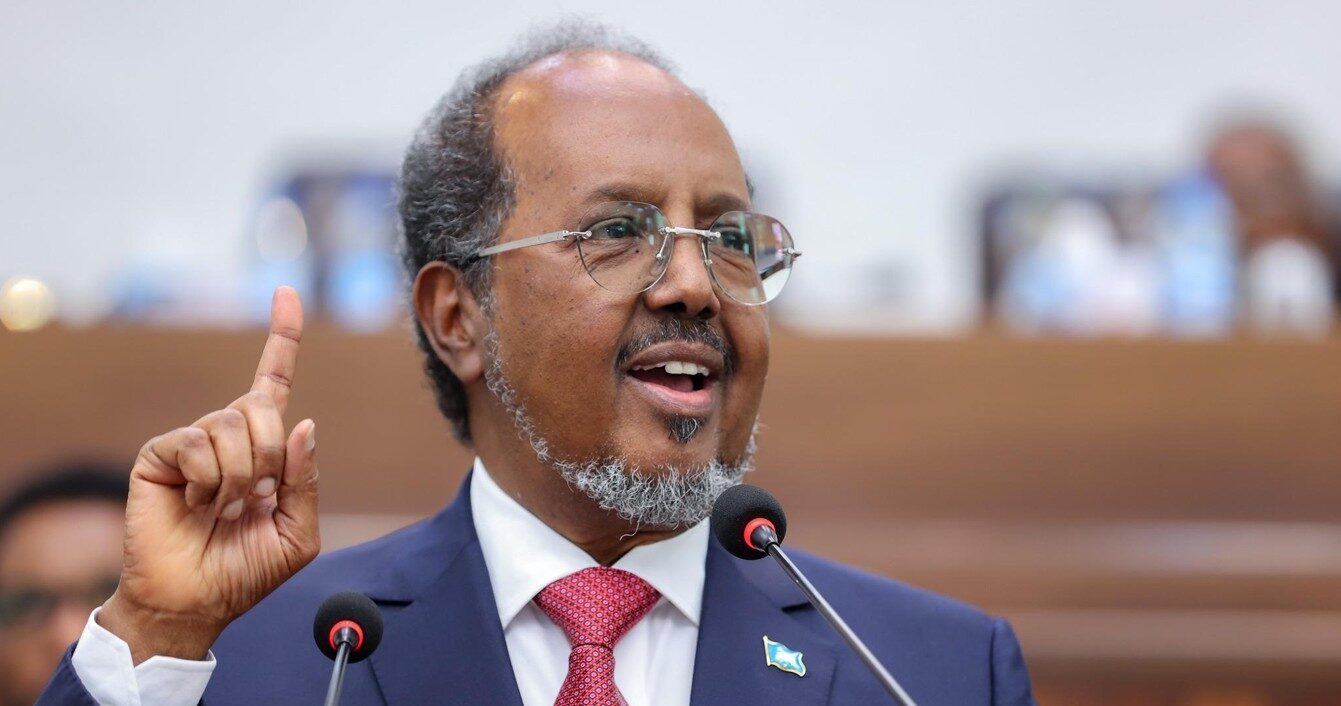
Somalia President Hassan Sheikh Mohamud said his country’s future depended on strengthening livelihoods against climate extremes, increasing domestic food production and supporting farmers, pastoralists and rural businesses. Somalia’s commitment to IFAD14, he said, forms part of efforts to support recovery and long-term prosperity.
Outlook
The nearly US$9 million pledged by the ten countries represents a collective commitment to strengthening rural development financing ahead of IFAD’s 2028–2030 replenishment cycle. By increasing their contributions, the countries are also urging international development partners to match their ambition and help mobilise additional resources for rural communities.
The outcome of IFAD14 will help determine the scale of investment available for small-scale farmers, rural enterprises and agrifood systems as African countries confront climate pressures, food security concerns and the need to create sustainable employment. For Kenya and the other participating countries, the challenge will be to translate these commitments into practical improvements in farm productivity, rural incomes, market access and resilience.