

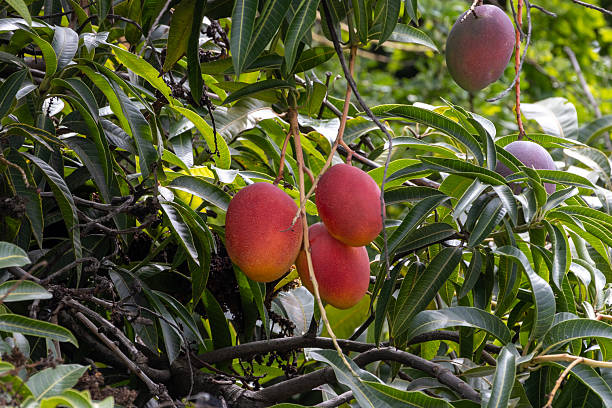

Efforts to protect mango farmers through minimum farmgate prices could weaken export competitiveness if they are not accompanied by improvements in fruit quality, phytosanitary compliance and supply-chain efficiency, according to Dr Nimrod Israely, founder and chief executive officer of Biofeed and Dream Valley. In a LinkedIn post titled “Protecting the price, losing the market,” Israely argues that while minimum prices are intended to improve farmers’ earnings, they cannot guarantee access to lucrative international markets if the cost and risks of exporting remain too high. His argument highlights a challenge facing mango value chains across sub-Saharan Africa: how to secure better returns for farmers while ensuring their produce meets the quality, safety, reliability and pricing requirements of international buyers.

Why minimum prices can create export pressure
Minimum farmgate prices are often intended to protect farmers, who may have limited bargaining power when selling their produce. However, Israely argues that setting a minimum price does not automatically increase the amount international buyers are willing to pay. Exporters operate within a global market where importers and retailers assess competing origins based on quality, compliance, delivery schedules and price. The selling price achievable in the destination market therefore limits how much the value chain can spend on sourcing and preparing fruit for export.
Between the price received from an international buyer and the amount paid to a farmer are numerous costs, including harvesting, fruit fly control, certification, packaging, documentation, transportation, shipping, financing and the handling of rejected fruit or commercial claims. These activities are essential to getting mangoes to market, but they also reduce the margin available to everyone involved in the supply chain.
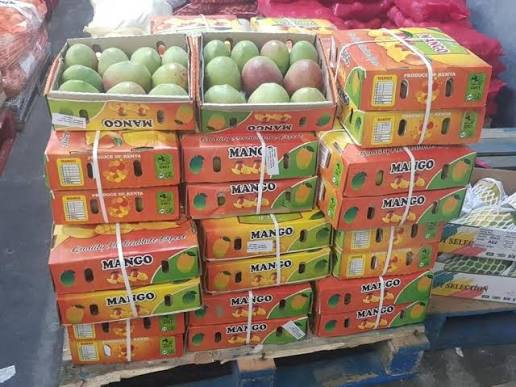
According to Israely, increasing the minimum farmgate price without reducing these costs or improving the proportion of fruit that qualifies for export can place additional pressure on exporters, whose margins may already be narrow. The international buyer, meanwhile, is not necessarily willing to pay more simply because the producing country has introduced a higher minimum price.
Quality and phytosanitary compliance remain critical
Israely also points to the importance of reputation and reliability in export markets. Importers must consider not only the quality of an individual shipment but also whether suppliers can consistently deliver fruit that meets the required standards, arrives on time and is accompanied by accurate documentation. Fruit fly control, traceability, certification and consistent handling are therefore central to maintaining buyer confidence and protecting access to premium markets.
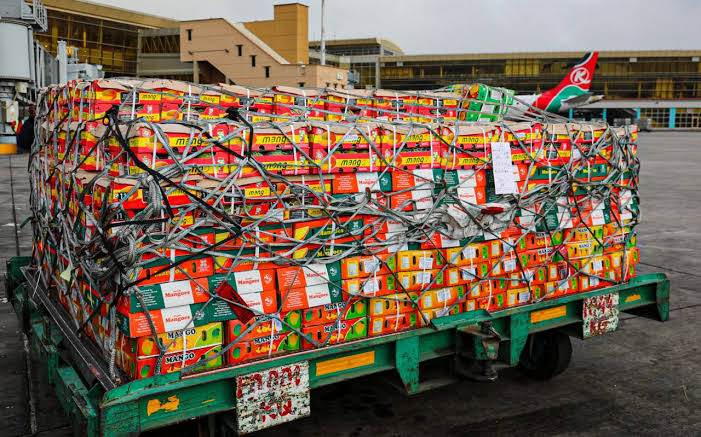
Where shipments are intercepted, rejected or fail to meet requirements, exporters can face additional costs and commercial losses. Repeated problems can also undermine importers’ confidence in particular suppliers or origins. In his post, Israely argues that these risks influence purchasing decisions and can limit export opportunities even when there is demand for the fruit. A higher farmgate price, on its own, does not resolve these underlying challenges.
The bigger challenge: getting more fruit into premium markets
At the heart of Israely’s argument is the distinction between raising the price of an individual kilogramme and increasing the volume of fruit that can reliably be sold into higher-value markets. He argues that the challenge for mango producers in sub-Saharan Africa is not simply the price farmers receive, but the ability to deliver sufficient exportable fruit at a competitive cost and with acceptable levels of commercial and phytosanitary risk. Improving that capacity requires investment and coordination across the value chain, from production and harvesting to packing, certification, logistics and market development.
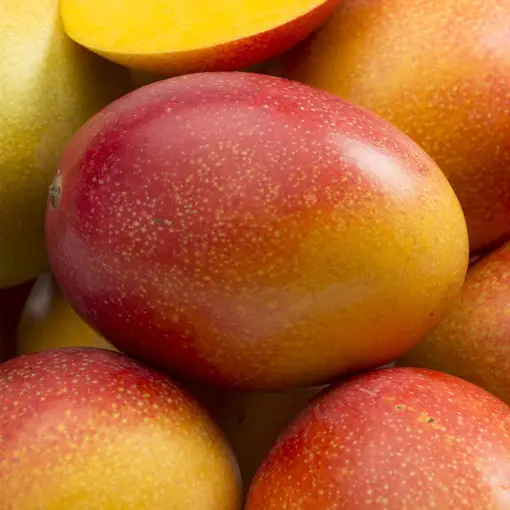
Better fruit fly management can help address phytosanitary risks, while improved harvesting and post-harvest handling can support quality. Stronger traceability and documentation can help exporters meet buyer requirements, and more reliable supply programmes can build long-term commercial relationships. These measures do not eliminate the need for fair farmgate prices. Rather, they address the production and market-access conditions that determine whether farmers and other value-chain participants can sustain better returns.
From price protection to lasting prosperity
Israely calls for a broader approach to farmer protection, one that focuses on enabling growers to sell more produce into higher-value markets rather than relying on administrative price-setting alone.In his view, stronger prices are more sustainable when they reflect greater value, improved quality and a supply chain capable of meeting export requirements consistently. “A minimum price can protect the price of a kilogram. It cannot make that kilogram exportable,” he writes. His argument raises a wider question for policymakers and industry organisations: how can interventions designed to improve farmers’ incomes be linked to investments that expand market access and make export production more competitive?

Minimum prices may form part of a broader farmer-protection strategy, but their effectiveness in export-oriented value chains depends on the commercial conditions in which farmers, exporters and international buyers operate. For sub-Saharan Africa’s mango industry, the challenge is to ensure that protecting farmers’ earnings goes hand in hand with improving the ability to produce, certify and deliver fruit that international markets are prepared to buy.
Source: Dr Nimrod Israely, founder and CEO of Biofeed and Dream Valley, in a LinkedIn post titled “Protecting the price, losing the market.”