


The Embassy of Israel in Kenya is advancing knowledge exchange and technical cooperation in beekeeping and pollination, bringing together Kenyan stakeholders to explore opportunities for strengthening the country’s apiculture industry.
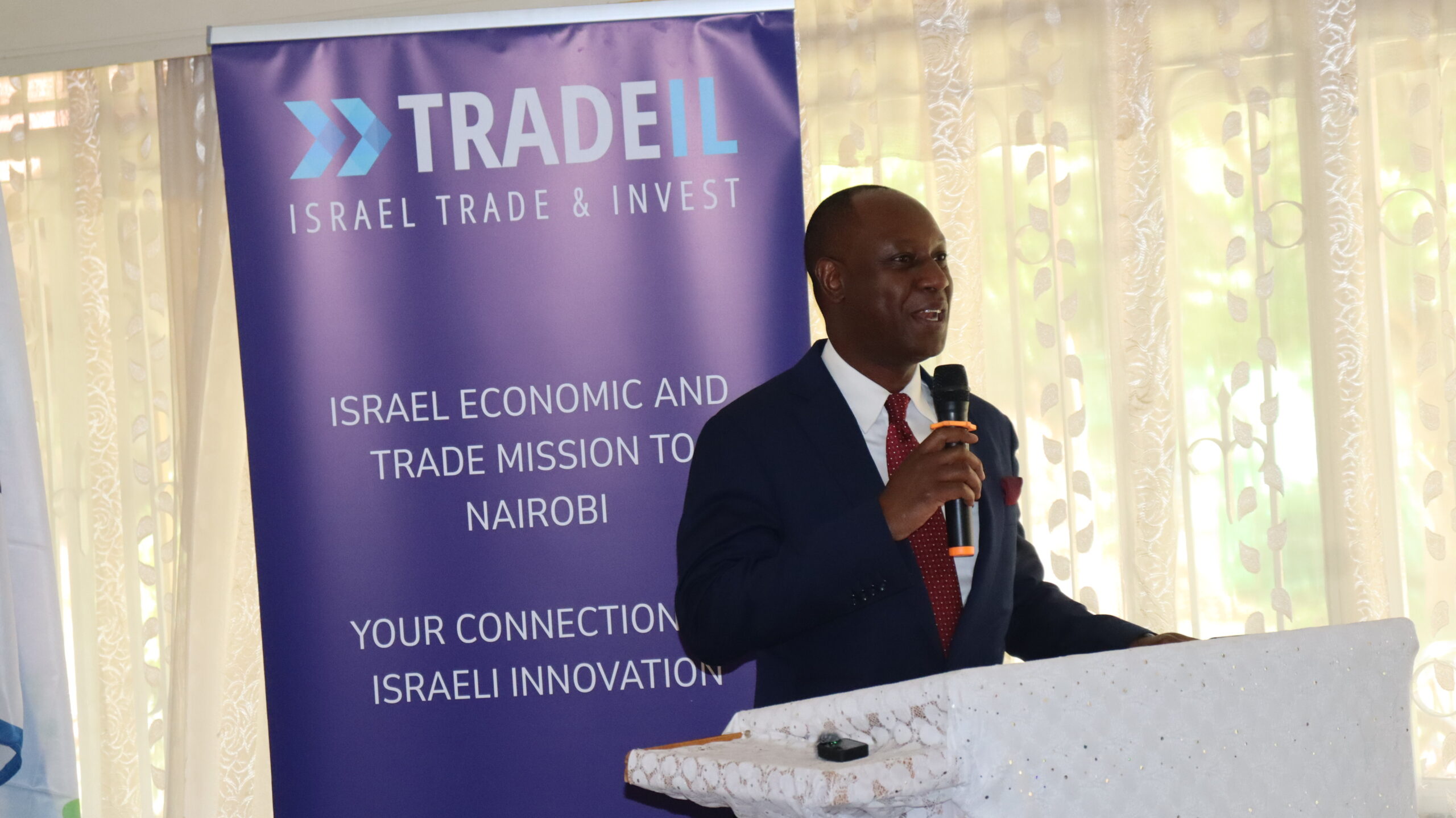
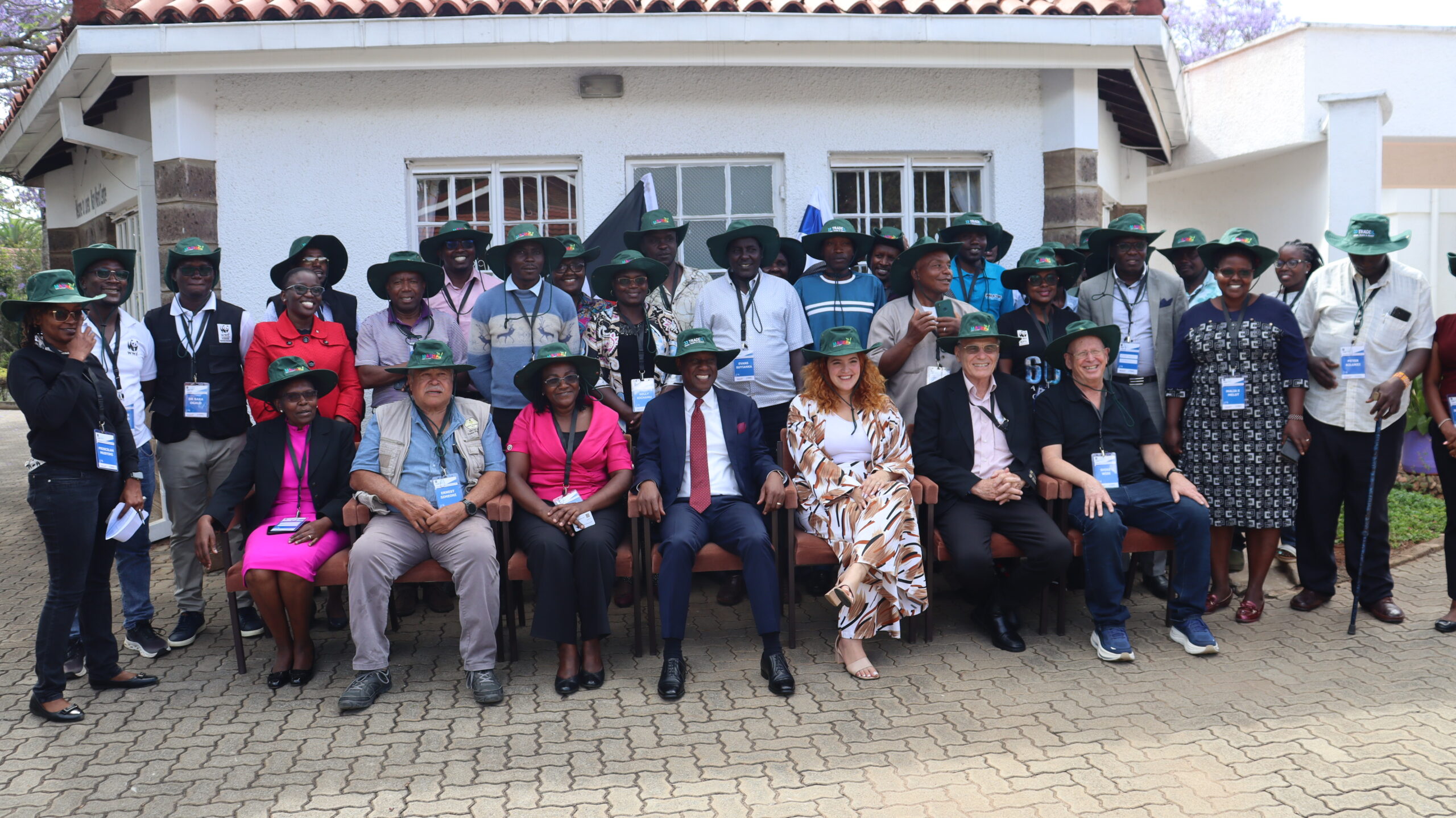
The initiative was at the centre of the Beekeeping and Pollination Seminar, held on November 9, 2026, in Karen, Nairobi, bringing together Israel’s Deputy Ambassador, Ariel Arviv, Jonathan Mueke, Principal Secretary in the State Department for Livestock Development, trainers, beekeepers and other stakeholders.
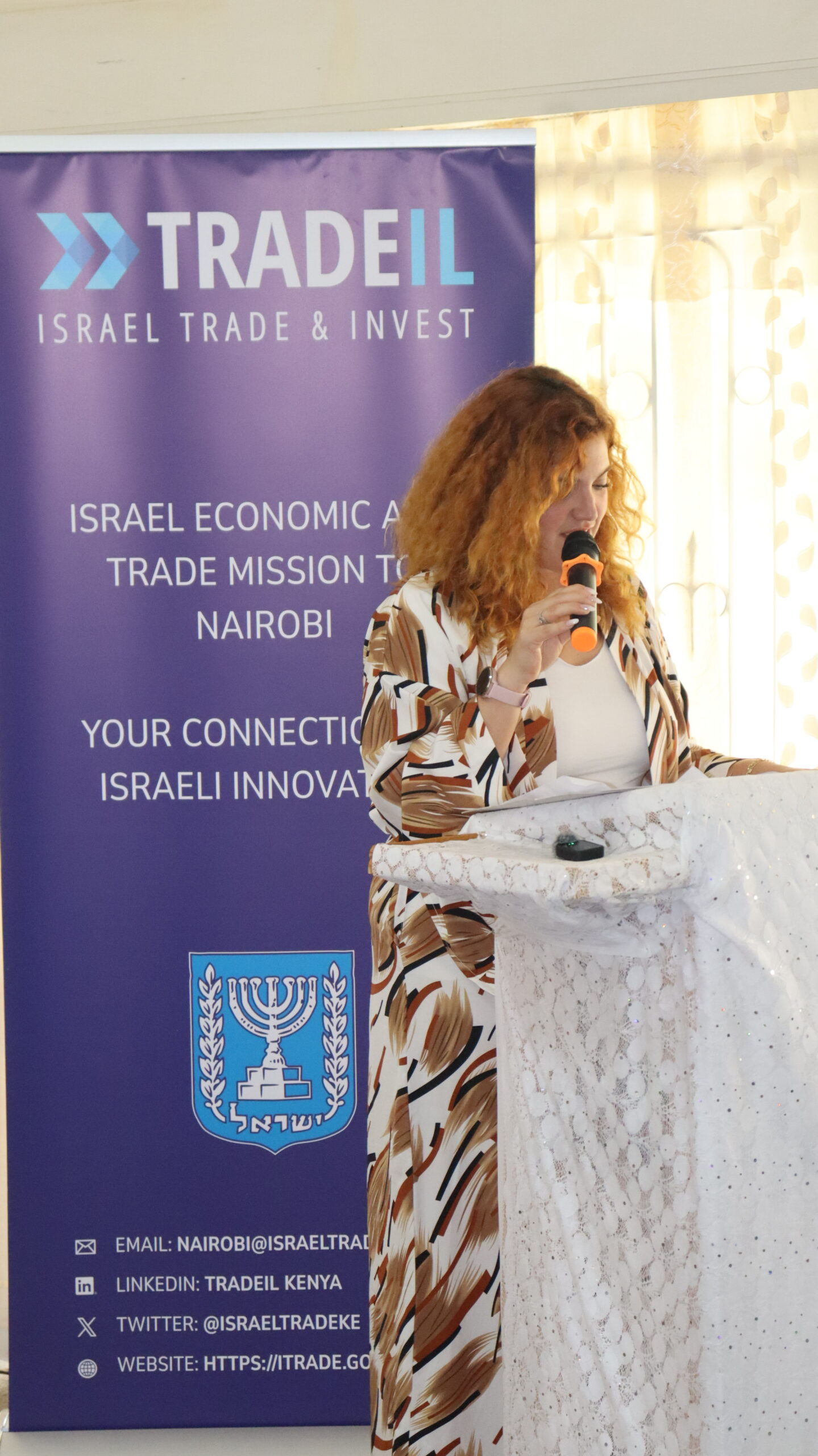
Organised through Israel’s development cooperation framework, MASHAV, the seminar highlighted the role of international cooperation in strengthening Kenya’s beekeeping sector through technology, skills development and the exchange of practical knowledge. The engagement comes as Kenya seeks to improve honey production, strengthen the quality and consistency of honey supplies, expand value addition and increase access to international markets.
Israel’s expertise supports Kenya’s apiculture ambitions
Israel’s involvement reflects the potential of technical cooperation to support the development of Kenya’s beekeeping industry. Through the Embassy of Israel in Kenya and MASHAV, the seminar provided a platform for trainers, beekeepers and government representatives to engage on beekeeping and pollination, areas that are closely linked to agricultural productivity and environmental sustainability.
Pollination plays an important role in crop production, while beekeeping offers farmers opportunities to diversify their incomes through honey and other hive products. For Kenya, strengthening these interconnected areas could help improve farm productivity, support livelihoods and build a more resilient apiculture value chain.
The seminar also created an opportunity for stakeholders to exchange knowledge and explore how improved beekeeping practices and appropriate technologies can be adopted by local producers.
Government support complements the Israel initiative
The State Department for Livestock Development is supporting the growth of the sector through farmer training and access to modern equipment. Jonathan Mueke, Principal Secretary in the State Department for Livestock Development, said the government was supporting farmers through institutions such as the National Beekeeping Institute.

The government is also providing modern, larger-capacity beehives and other equipment through a subsidy programme aimed at improving farmers’ production capacity. These interventions complement the knowledge and technical cooperation being advanced through the Israel partnership. The government’s wider priorities include increasing honey production, ensuring consistent supplies of quality honey, strengthening value addition and improving access to international export markets.
Building a competitive beekeeping industry
Kenya’s apiculture sector has the potential to contribute to employment, improved farmer incomes, food security and environmental conservation. However, unlocking this potential requires investment in skills, equipment, quality assurance, processing and market access. The seminar brought together government representatives, trainers, beekeepers and other stakeholders to engage on the opportunities and challenges facing the sector.
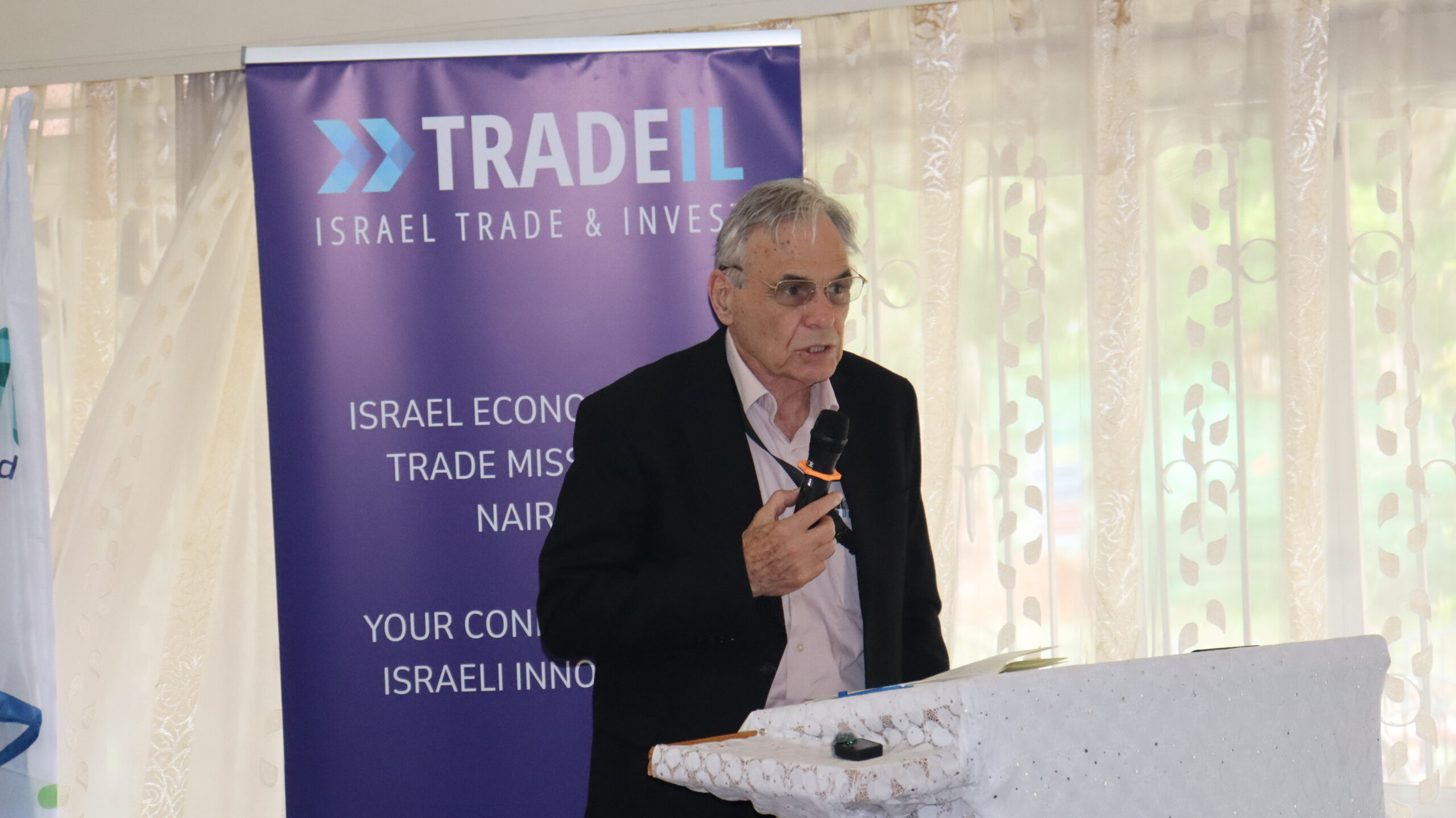
The partnership with Israel, through its Embassy in Kenya and MASHAV, provides a platform for continued cooperation and knowledge exchange as Kenya works towards a more competitive and productive beekeeping industry.
The shared ambition is to develop apiculture into a stronger source of livelihoods while recognising the importance of pollinators in sustaining agricultural production and healthy ecosystems.