

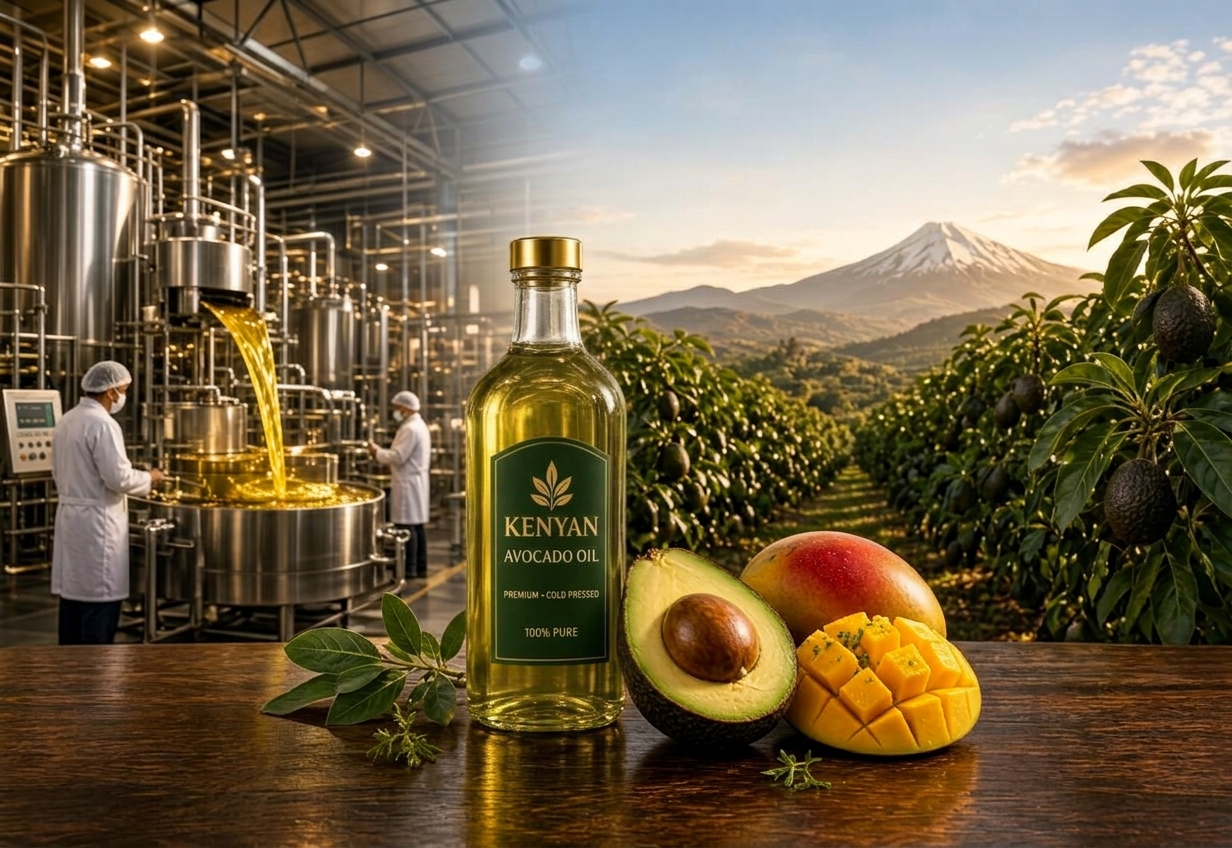

Kenya’s avocado and mango industries could attract an additional US$167 million (approximately KSh 21.6 billion) in private investment and create 36,000 jobs over the next decade if the country expands its fruit-processing capacity, according to opportunities highlighted in the World Bank’s latest Private Sector Diagnostic.

Nehemiah Gitonga, an established AgTech expert and agribusiness leader based in Nairobi, says Kenya has a significant opportunity to move beyond exporting raw fruit and capture more value through processing, improved market access and investment in agro-industrial infrastructure.The opportunity comes as Kenya strengthens its position in global horticultural markets, with avocado oil processing expanding rapidly and mango pulp and drying emerging as potential growth areas.
Mango processing remains underdeveloped
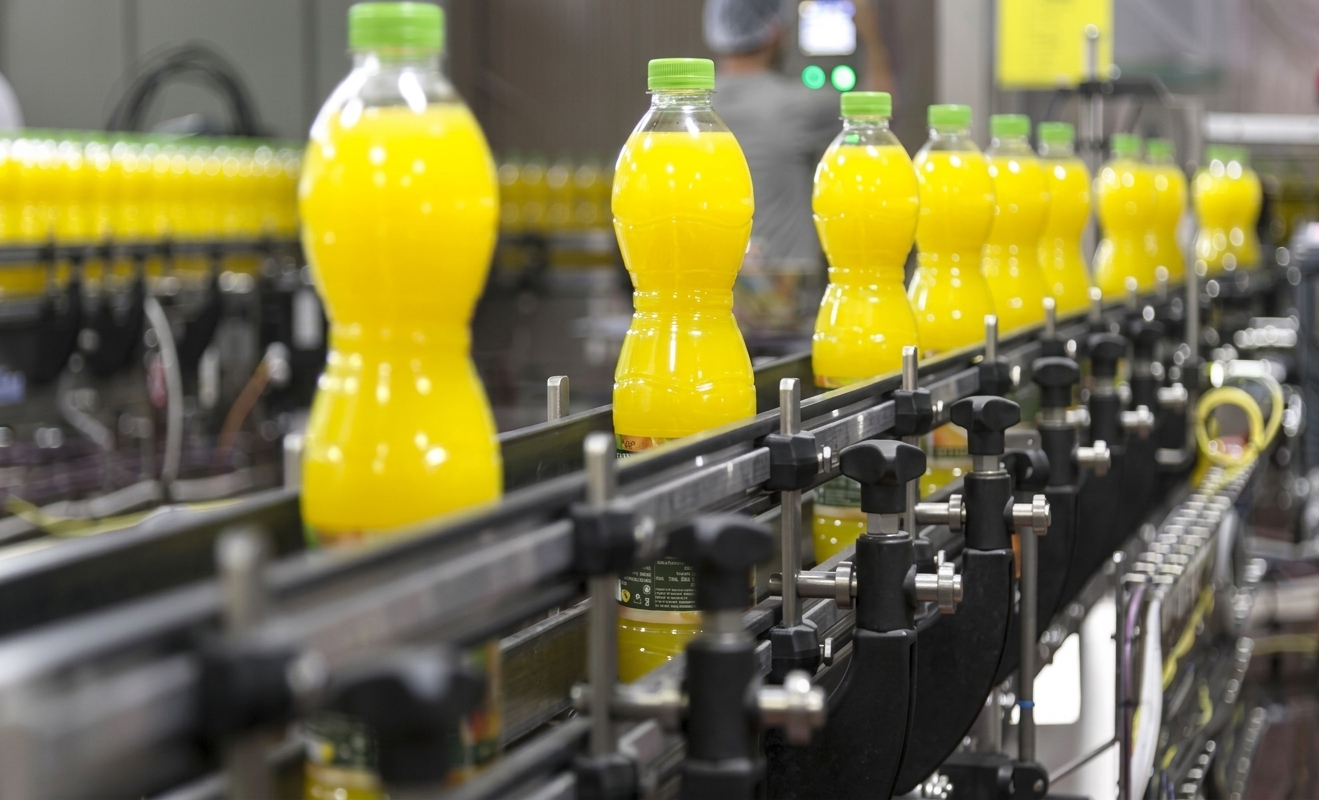
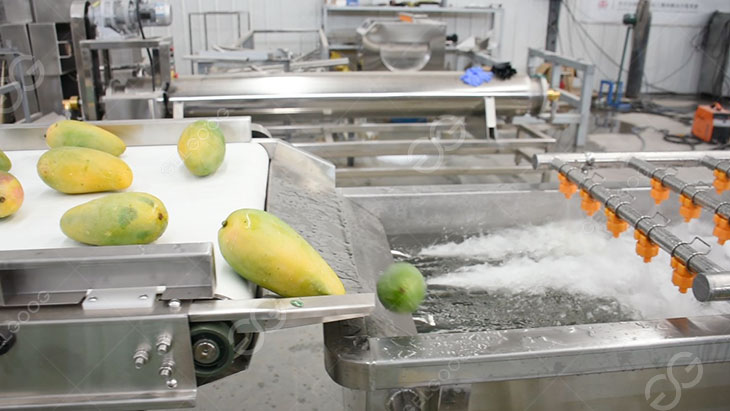
Despite its mango production potential, Kenya continues to export much of its fruit in raw form, limiting the value retained locally. According to figures cited by Gitonga, only about 10% of mango production is processed, while approximately 3% is exported. The World Bank’s diagnostic identifies mango processing as an opportunity for private-sector investment, particularly through the expansion of pulp-processing facilities serving local and regional juice manufacturers. Increasing mango-drying capacity could also open new markets for dried fruit products, offering processors greater flexibility in handling volumes and responding to consumer preferences across African markets. Expanded processing would help create additional outlets for farmers, particularly during periods of high production when fresh-fruit markets may struggle to absorb available supplies.
Avocado oil processing expands rapidly
Kenya’s avocado oil industry is already experiencing significant growth, demonstrating the potential of value addition to transform the horticultural sector. Gitonga cites an increase in avocado oil processing from 3,326 metric tonnes in 2024 to 10,188 metric tonnes in 2025, representing more than a threefold increase in one year. The expansion has been driven by demand from Europe, the United States and other high-income markets. The number of crude avocado oil processors has also grown from approximately three a few years ago to more than 70, according to the figures he shared.
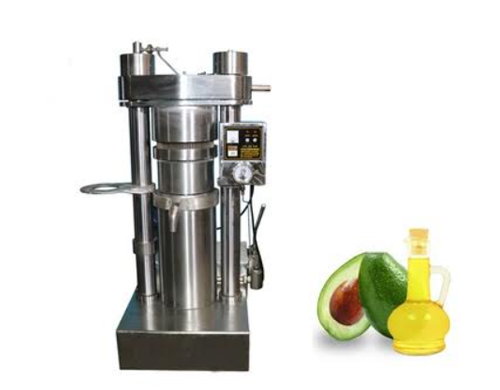
New processing facilities are continuing to enter the market, including a recently commissioned plant in Kisii with a reported capacity to handle up to 70 tonnes of fruit daily. The growth in processing capacity has created an important market for lower-grade avocados that may not meet fresh-export specifications. By absorbing fruit rejected by fresh produce exporters, processors can help reduce waste and provide farmers with additional marketing options. Gitonga notes that the increase in processor numbers during the latest season has helped absorb more of this fruit, with the potential to improve farm-gate returns.
Value addition offers an alternative market for farmers
Fresh-fruit exports remain important to Kenya’s horticultural industry, but processing offers a complementary route for fruit that cannot be sold in premium fresh markets. Avocado oil production can utilise fruit unsuitable for fresh export, while mango pulp and drying facilities can extend shelf life and create products for domestic, regional and international markets.
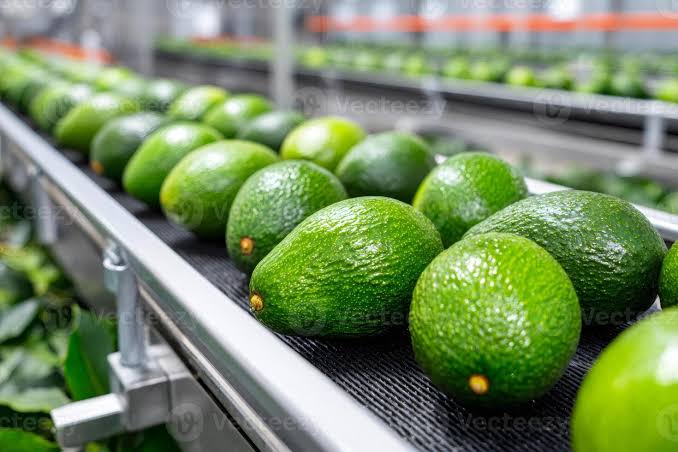
These opportunities could become increasingly important as production expands and farmers seek reliable outlets for their harvests. For mangoes, the development of processing facilities would provide juice manufacturers with locally produced pulp while supporting the growth of dried-fruit products. For avocados, the expansion of oil extraction could strengthen the link between farmers, processors and export markets, helping the industry capture a greater share of the final product’s value within Kenya.
Investment and infrastructure remain key challenges
Despite the opportunities, several constraints must be addressed if Kenya is to scale up fruit processing. These include limited processing capacity, inadequate cold-chain infrastructure, the need for stronger quality systems and the cost of acquiring processing equipment. Gitonga highlights easier access to machinery, including measures such as deferred VAT on equipment, as a potential way to lower investment barriers and encourage more businesses to establish or expand processing facilities. Reliable infrastructure and consistent quality standards will also be essential for processors seeking to meet the requirements of international buyers. Access to regional markets will be particularly important for mango pulp and dried fruit, where growing demand could support investment in facilities capable of handling larger volumes.
Kenya has the production base to grow
Kenya’s avocado production reached a reported 694,000 tonnes in 2025, providing a substantial raw-material base for both fresh exports and processing. The country also benefits from its counter-seasonal production advantage in European markets and competitive production costs. However, increasing output alone will not guarantee higher returns for farmers or greater export earnings. The ability to preserve, process and market fruit in different forms will be critical to capturing more value from the crop.
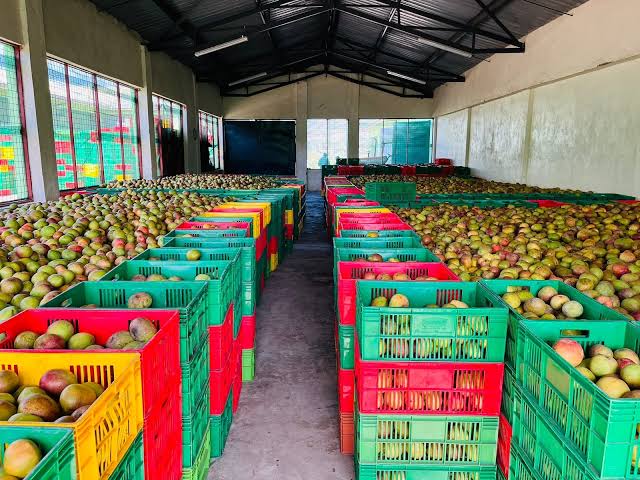
The same principle applies to mangoes, where expanded processing could help address post-harvest losses while opening additional markets for pulp and dried products. As avocado oil processing continues to expand, mango pulp and drying could represent the next major opportunity for Kenya’s fruit-processing industry.
The investment potential identified by the World Bank points to a broader opportunity for Kenya to strengthen agro-processing, create employment and improve the competitiveness of its horticultural exports. For farmers, processors and investors, the next phase of growth will depend on building the infrastructure and market linkages needed to turn more of Kenya’s fruit into higher-value products.
Source: Figures and analysis shared by Nehemiah Gitonga, AgTech expert and agribusiness leader, drawing on opportunities highlighted in the World Bank’s Private Sector Diagnostic.