

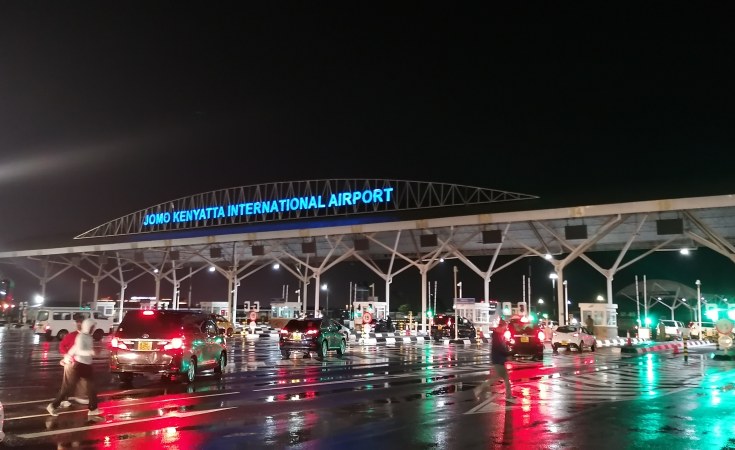

The Kenya Airports Authority (KAA) has stepped up preparations for potential El Niño-related flooding at Jomo Kenyatta International Airport (JKIA), with measures aimed at protecting critical airport infrastructure, maintaining cargo operations and safeguarding Kenya’s horticultural export supply chain. The preparedness measures are particularly important to Kenya’s flower industry, which relies heavily on JKIA for the transportation of fresh flowers to international markets, where timely delivery and temperature-controlled handling are essential to preserving quality and meeting buyer requirements.
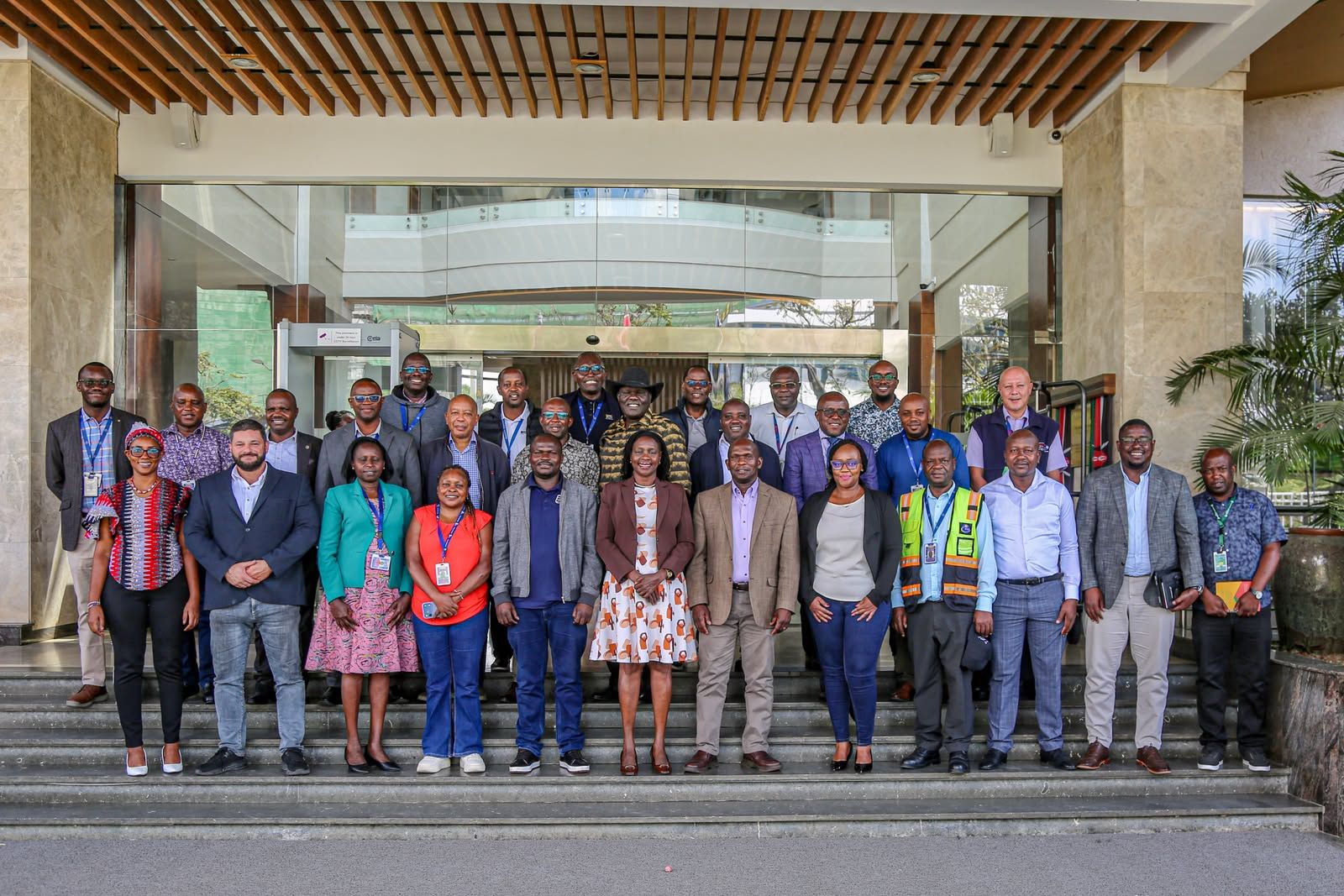
KAA Managing Director and CEO Moses Wekesa led a stakeholder engagement at JKIA to review preparedness and response plans, bringing together airport stakeholders and partners to strengthen operational resilience and protect communities surrounding the airport. The meeting was also attended by General Manager for Projects and Engineering Eng. Meshack Ochieng and JKIA Airport Manager Dr. Rose Koros.

Among the key interventions discussed were the inspection and clearance of drainage systems, rehabilitation of damaged drainage channels in collaboration with the Kenya National Highways Authority (KeNHA), Nairobi City County Government and other stakeholders, as well as inspections of critical airport facilities. KAA is also undertaking tests on emergency vehicles, equipment and communication systems, reviewing airport access routes, conducting full-load blackout tests and activating contingency plans to ensure the airport can respond to potential disruptions. Emergency equipment, including water pumps, is being positioned in vulnerable areas to strengthen the airport’s capacity to respond to flooding and other weather-related emergencies.
Flower industry exposed to weather-related logistics disruptions
JKIA is a critical gateway for Kenya’s floriculture industry, serving as the main air cargo hub through which large volumes of fresh flowers are transported to international destinations, particularly in Europe and the Middle East. Any disruption to airport operations caused by flooding, damaged infrastructure, power outages or restricted access could affect the movement of perishable horticultural produce, potentially resulting in shipment delays, increased logistics costs and pressure on exporters to meet delivery schedules. For flower growers and exporters, reliable airport operations are essential because fresh-cut flowers require careful post-harvest handling, temperature management and efficient transportation to preserve their quality and vase life.
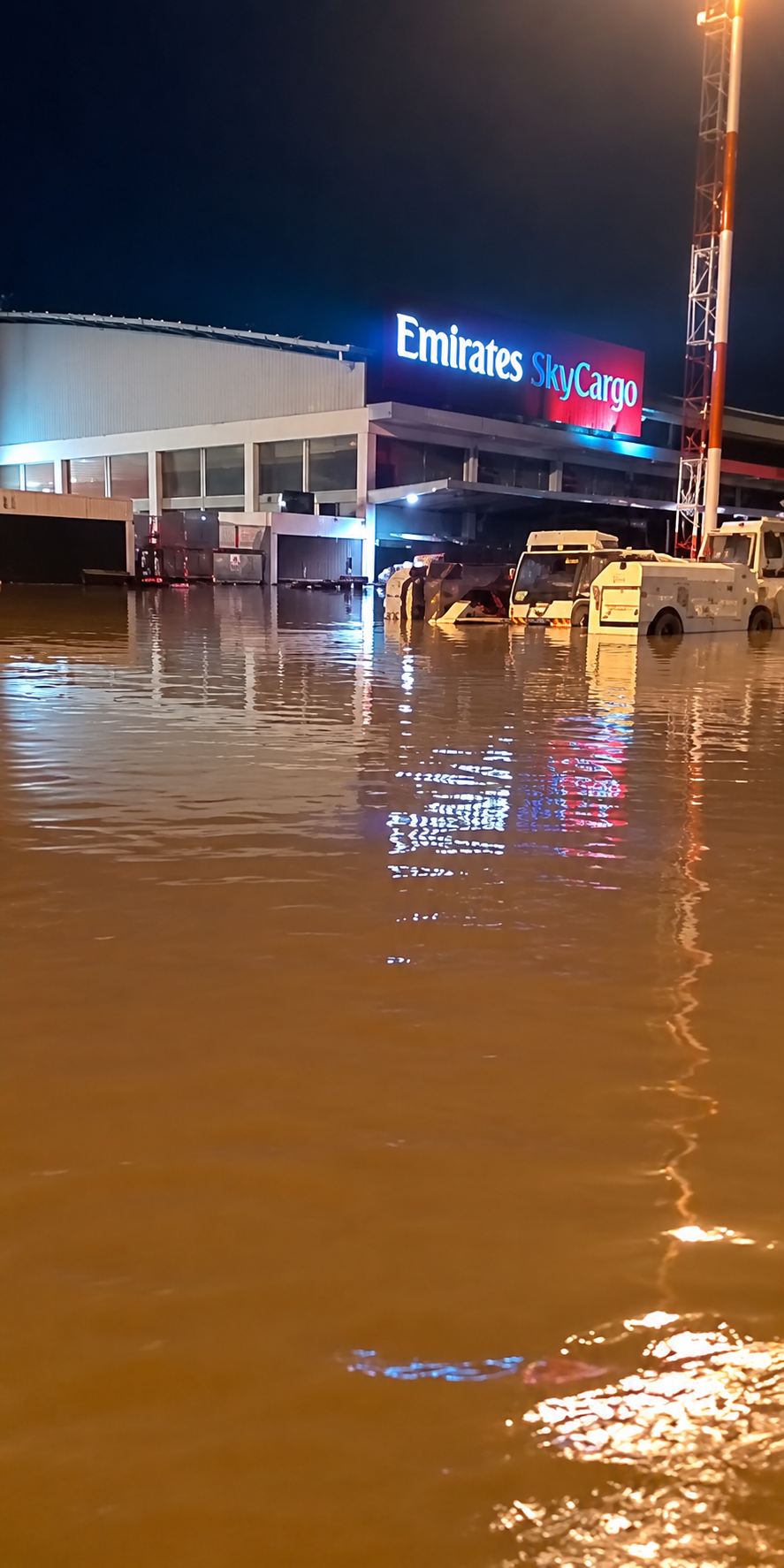
Disruptions to cargo handling or delays in getting produce to aircraft can affect the entire export chain, from farms and packhouses to freight forwarders, airlines and overseas buyers. The preparedness measures at JKIA therefore have implications beyond aviation, particularly for Kenya’s horticultural exporters, who depend on efficient cargo operations to maintain market access, customer confidence and the competitiveness of Kenyan flowers.
Early warning systems to strengthen resilience
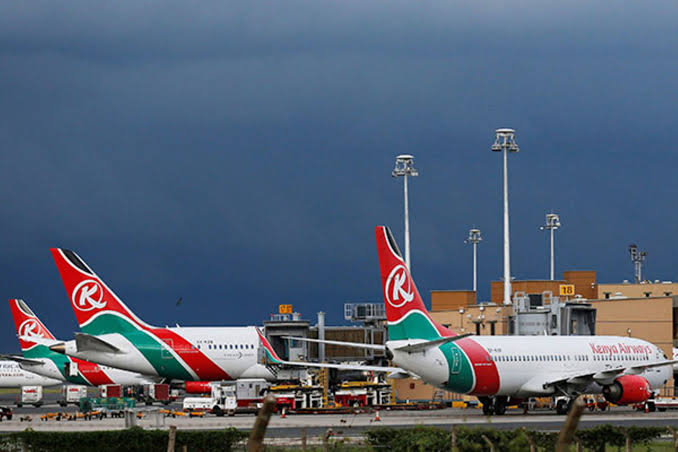
As part of its broader preparedness strategy, KAA is collaborating with Haskoning Engineering, with support from the Government of the Netherlands, to pilot Early Warning Systems aimed at improving flood preparedness and operational planning. The initiative is expected to strengthen situational awareness, improve the interpretation of weather forecasts and support timely decision-making in response to potential weather-related threats. Improved early warning capabilities could enable airport operators, cargo handlers, airlines and other stakeholders to prepare for severe weather events, coordinate responses and reduce the risk of prolonged operational disruptions.
The engagement also highlighted the importance of inter-agency coordination, particularly in managing drainage infrastructure, maintaining access roads and responding to emergencies that may extend beyond the airport’s boundaries. For the horticultural sector, timely information on potential disruptions can help exporters, freight forwarders and other supply-chain players plan cargo movements and coordinate with airlines and logistics providers. KAA reaffirmed its commitment to proactive preparedness, continued engagement with stakeholders and stronger coordination with agencies and communities around JKIA.
As climate-related weather risks increasingly challenge transport and logistics infrastructure, strengthening the resilience of the country’s main international airport remains important for protecting Kenya’s export supply chains, including the flower industry, which depends on reliable air connectivity to reach global markets.