


Kenya’s October–December 2026 rainfall season is expected to bring above-normal rainfall to most parts of the country, but meteorologists say the intensity and distribution of the rains will depend largely on conditions in the Indian Ocean rather than El Niño alone. The Indian Ocean Dipole (IOD), a climate pattern that influences rainfall across East Africa, is emerging as a key factor in determining whether the country experiences widespread heavy rainfall or a more varied pattern of wet and dry conditions. Speaking during a webinar hosted by the Kenya Meteorological Service Authority (KMSA), principal meteorologist Jemima Gacheru said that although the world is experiencing a strong El Niño, the phenomenon does not automatically translate into heavy rainfall in Kenya.

She explained that the Indian Ocean’s sea surface temperatures, particularly those near the East African coast, play a significant role in influencing rainfall during the October–November–December (OND) season. Gacheru said Kenya has previously experienced strong El Niño conditions without receiving exceptionally heavy rainfall because the Indian Ocean did not exhibit the temperature patterns that favour increased precipitation over East Africa.
The IOD measures the difference in sea surface temperatures between the western Indian Ocean, near East Africa, and the eastern Indian Ocean, near Indonesia. A positive IOD, in which the western Indian Ocean is warmer than normal relative to the east, is generally associated with increased rainfall in East Africa. According to Gacheru, the IOD was at approximately +0.7°C at the time of the webinar and was projected to strengthen to around +1.0°C, particularly in October. She noted that its eventual strength would influence the intensity and distribution of rainfall across Kenya.

However, the Australian Bureau of Meteorology reported a weekly IOD index of +0.65°C for the week ending September 13, classifying the conditions as neutral and cautioning that a single observation above +0.4°C is insufficient to confirm a positive IOD event.
Historical rainfall patterns offer important lessons
Gacheru cited the 1997 and 2015 El Niño seasons to illustrate how Indian Ocean conditions can influence rainfall outcomes in Kenya. In 1997, a strong El Niño coincided with a strong positive IOD, which reached approximately +1.4°C in November. The combination was associated with exceptionally heavy rainfall across much of Kenya.
In contrast, 2015 also experienced a strong El Niño, but the IOD was considerably weaker, at around +0.5°C. Kenya consequently experienced varied rainfall patterns, with some areas recording above-normal rainfall, others receiving near-normal amounts and some experiencing below-normal precipitation. These historical examples highlight why El Niño alone is not sufficient to predict the amount of rainfall Kenya will receive, with the interaction between different oceanic climate patterns playing an important role.

Despite the uncertainty surrounding the IOD’s development, the current forecast presented by KMSA indicates that most counties are likely to receive above-normal rainfall during the coming OND season. Gacheru cautioned, however, that rainfall distribution will vary considerably by location, with some regions expected to experience shorter and more irregular rainy periods. In arid and semi-arid areas, including Turkana and Samburu, rainfall is forecast to begin around the third or fourth week of October and could end in the first week of December. The distribution in these areas is also expected to be less favourable.
Farmers urged to maximise rainfall opportunities
The anticipated rainfall presents opportunities for Kenya’s agricultural sector, particularly crop and livestock farmers, who depend on seasonal precipitation for production, pasture regeneration and water availability. Ruth Njeri, a senior agricultural officer in the State Department for Agriculture’s Climate Change Unit, said farmers should take advantage of the expected soil moisture to improve food production and strengthen household food security. She noted that adequate rainfall could support crop establishment, improve soil moisture utilisation, facilitate water storage and contribute to the replenishment of underground water resources.
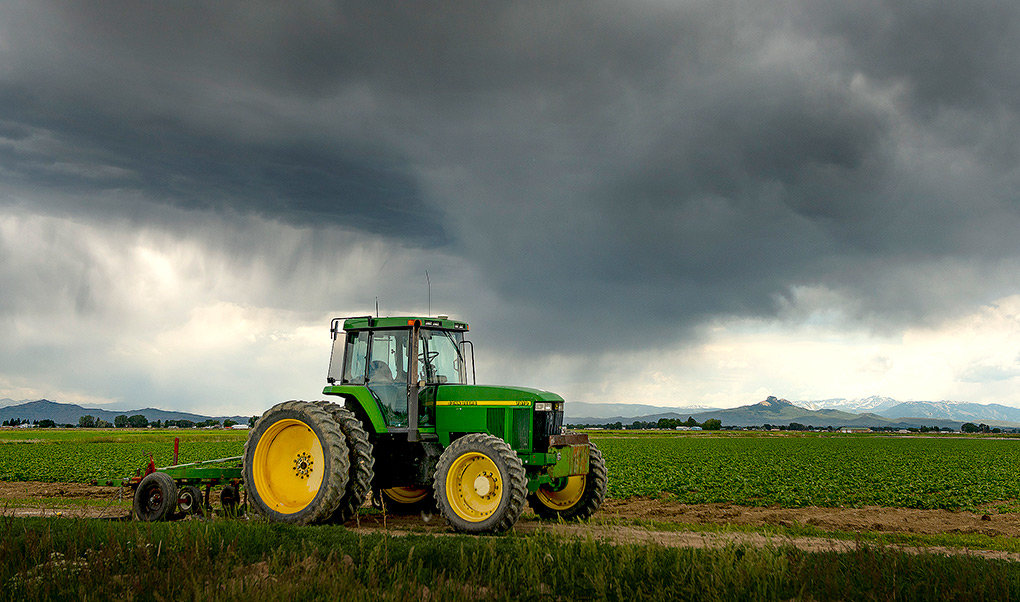
The expected rains could also support livestock production through improved pasture and water availability, particularly in areas that have experienced prolonged dry conditions. However, Njeri warned that excessive rainfall could also create significant agricultural risks, including flooding, crop destruction, increased pest and disease pressure and post-harvest losses. Prolonged humidity and waterlogged soils can create favourable conditions for crop diseases, weeds and pests, while flooding may damage fields, disrupt harvesting and destroy stored produce. She also cautioned about post-harvest spoilage, including mould and potential contamination by flood-related toxins, underscoring the need for proper crop drying, storage and handling.
Farmers are therefore being encouraged to plan for both the benefits and risks of the anticipated rainfall by adopting appropriate planting schedules, improving drainage, using suitable crop varieties and strengthening post-harvest management.
Government steps up preparedness for possible flooding
The Ministry of Environment, Climate Change and Forestry has urged Kenyans to treat the seasonal forecast as an opportunity for early preparation rather than a cause for panic. Dr Sally Kimosop, Environment Secretary in the ministry, said timely action would be essential in reducing the potential impacts of heavy rainfall on communities, agriculture, livestock and the wider economy. She emphasised that while El Niño is a climate phenomenon, its impacts do not automatically result in a disaster if appropriate preparedness and response measures are put in place.
The National Disaster Operations Centre is preparing for potential flooding and other weather-related emergencies, with the Tana and Victoria basins, as well as landslide-prone areas, identified for anticipatory action. Planned measures include flood monitoring, early warnings and preparedness interventions aimed at reducing risks to vulnerable communities. Kimosop stressed the importance of acting before the onset of severe weather, noting that early intervention can save lives, protect livelihoods and reduce the financial costs associated with disaster response. For Kenya’s agricultural sector, timely weather information and coordinated preparedness will be critical in helping farmers make informed decisions on planting, water management, crop protection and harvesting.
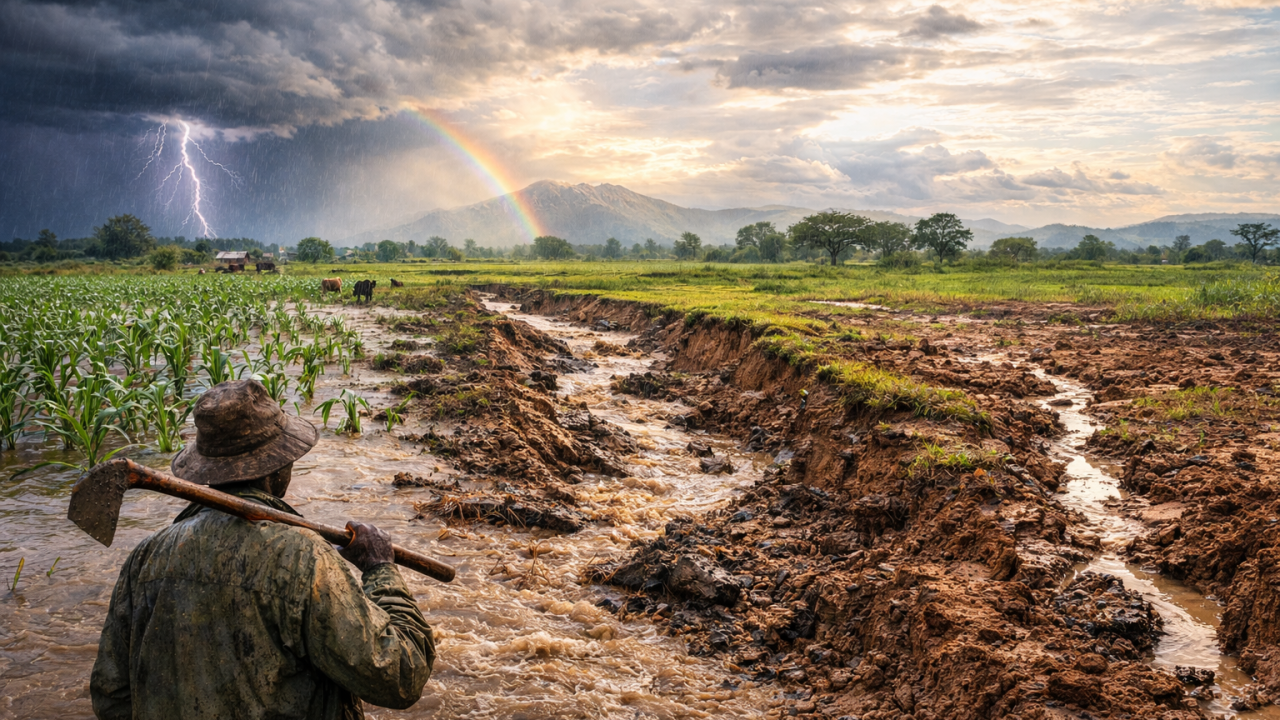
As the country approaches the OND rainy season, meteorologists and agricultural officials are urging farmers and communities to act on forecasts, monitor local weather updates and prepare for changing conditions rather than waiting for the rains to arrive. The season’s eventual impact will depend not only on the amount of rainfall received but also on its distribution, intensity and the preparedness of farmers, communities and institutions to manage both opportunities and risks.