

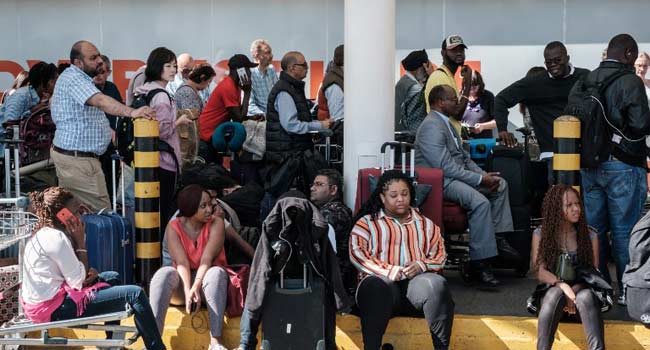

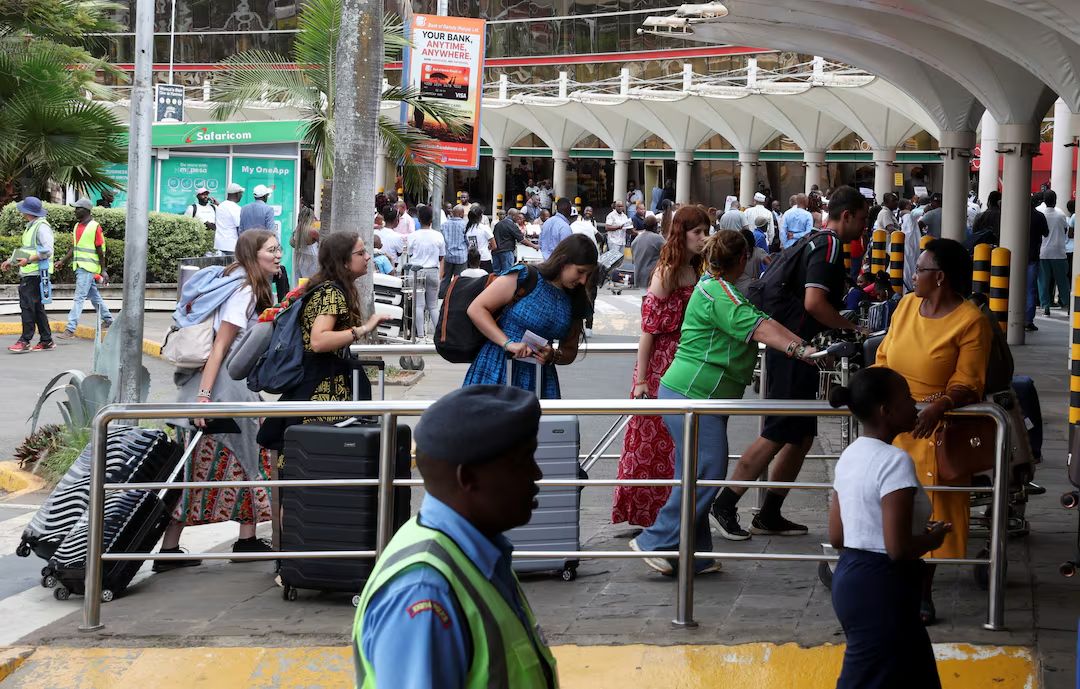
An air traffic controllers’ go-slow at Jomo Kenyatta International Airport (JKIA) may appear to be an internal labour dispute, but its impact can spread far beyond delayed passengers and congested airport terminals. According to tourism and hospitality industry expert Mohammed Hersi, when Nairobi’s aviation hub slows down, Kenya Airways (KQ) can bear some of the heaviest consequences.
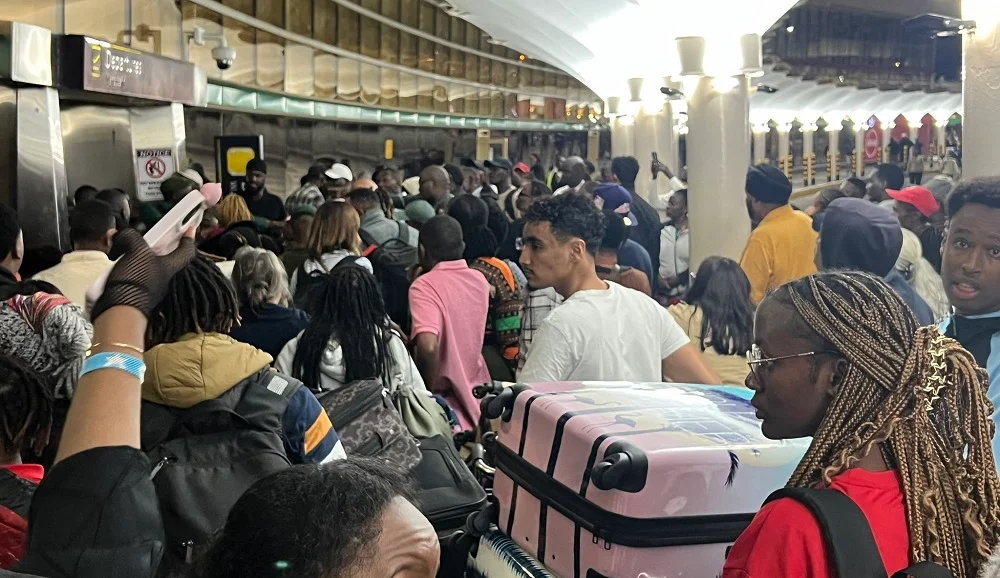
In his analysis of the impact of an air traffic control (ATC) go-slow, Hersi argues that the disruption is far more damaging than the images of stranded passengers at JKIA suggest. The real impact, he says, begins long before an aircraft reaches Nairobi, as airline operations centres around the world monitor the situation and make decisions on whether to operate, delay or cancel flights.

What exactly is an ATC go-slow?
Unlike a conventional strike, where workers withdraw their services, a go-slow can see air traffic controllers continue working while adhering strictly to established rules and procedures, with less of the operational flexibility normally used to keep traffic flowing efficiently. Hersi notes that this can significantly reduce the number of aircraft an airport can handle, resulting in aircraft being held in the air or on the ground for extended periods. For airlines, such delays create a chain of operational problems.
Why flights can be cancelled before they reach Nairobi
Hersi identifies fuel, crew limitations and aircraft utilisation as some of the biggest risks. An aircraft approaching Nairobi cannot remain in a holding pattern indefinitely. As fuel reserves are consumed, an aircraft may eventually have to divert to another airport, creating additional costs and disrupting passengers and cargo.
Crew working hours are another challenge. Pilots and cabin crew operate under strict legal limits. A prolonged delay can result in a crew reaching its maximum permitted duty period, making it impossible for them to continue operating the flight. Then there is the aircraft itself.
Long-haul aircraft are normally scheduled to operate multiple sectors. If a Nairobi-bound aircraft is delayed for several hours, it can miss its next scheduled flight, creating a chain reaction of delays and cancellations across the airline’s network. This explains why airlines may cancel or reschedule a Nairobi flight even before their aircraft has arrived in Kenya.
Why Kenya Airways takes the biggest hit
For Kenya Airways, the problem is particularly serious because Nairobi is the centre of its network. KQ’s hub-and-spoke model means that a large proportion of its regional and international operations pass through JKIA.
When the Nairobi hub slows down, therefore, the impact is not limited to one route. A delayed aircraft can affect several subsequent flights, while passengers connecting through Nairobi can also be caught up in the disruption. Hersi points out that Kenya Airways also has a much smaller fleet than many of the global airlines operating into Nairobi.
International carriers with hundreds of aircraft may have more options to reposition or substitute aircraft when disruptions occur. KQ has less room to absorb such shocks.
Even the loss of a few aircraft to diversions, delays or missed rotations can represent a significant portion of its daily operating capacity.
Stranded aircraft mean mounting costs
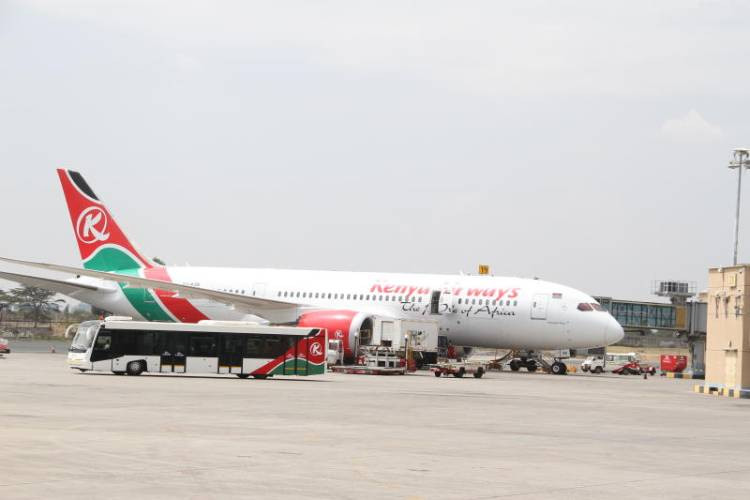
The disruption can also affect KQ aircraft sitting outside Kenya. A Kenya Airways aircraft stranded at an overseas airport because it cannot secure a confirmed landing slot back into Nairobi may continue accumulating costs through parking, landing and handling charges. The airline may also have to provide accommodation and allowances for crews whose schedules have been disrupted. More significantly, the aircraft may have been scheduled to operate several other flights.
Every additional hour on the ground can therefore translate into lost revenue and further cancellations. Unlike larger international airlines, KQ may not have a spare aircraft waiting at every destination to immediately replace a stranded jet.
The reputational damage
Hersi also warns of a longer-term cost: damage to Kenya’s aviation reputation. Passengers experiencing repeated delays or cancellations may not necessarily distinguish between an airline problem and a disruption caused by air traffic control or airport operations.
The experience can instead become associated with travelling through Nairobi. Kenya Airways, as the national carrier and one of the most visible aviation brands associated with Kenya, could consequently carry much of the reputational damage even when the disruption is beyond its direct control.
The same concern applies to Nairobi’s ambitions to remain a leading aviation and cargo hub in Africa. If international airlines, passengers and cargo operators begin to regard Nairobi as an unpredictable hub, competing centres such as Addis Ababa, Kigali and Dar es Salaam could become more attractive alternatives.
A national economic issue
Hersi argues that an ATC go-slow should therefore not be viewed simply as a labour dispute between aviation authorities and their employees. Its consequences can spread to airlines, tourism, cargo, exporters, businesses and thousands of people whose livelihoods depend on Kenya’s aviation industry.
For Kenya Airways, which has been working to strengthen its financial position and remain competitive, repeated disruptions at its home hub could create an additional burden the airline can ill afford. The stability of JKIA is therefore critical not only to passengers but also to Kenya’s wider economy and its ambitions to position Nairobi as a major African aviation hub.
As Hersi puts it, resolving labour disputes within Kenya’s aviation sector before they escalate into operational disruptions should be treated as a matter of direct national economic interest. “It’s about time we got serious,” Hersi says.