

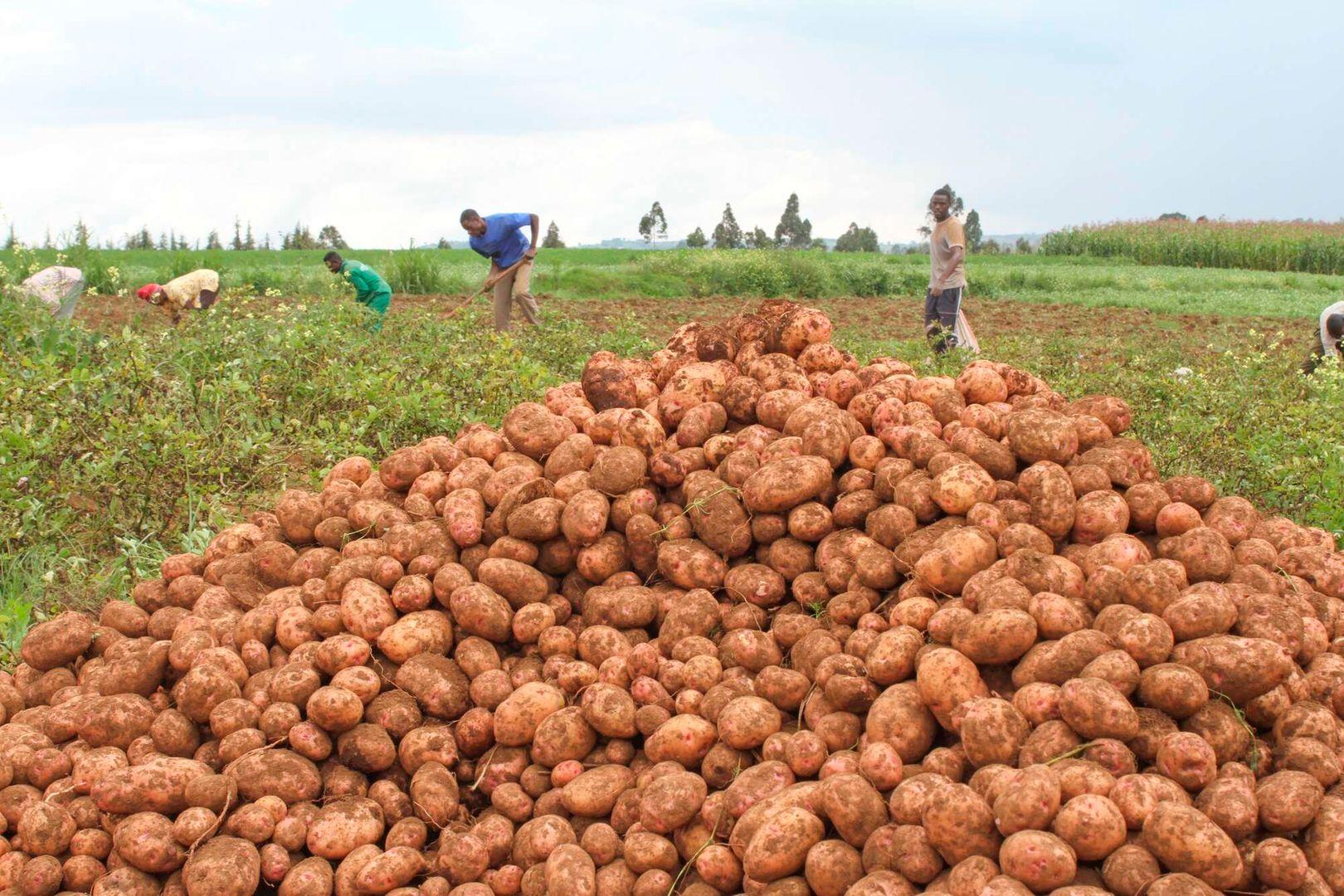
Kenya’s potato industry has an opportunity to improve productivity, strengthen market access and develop new value-added products by connecting seed production, farmer support, commercial farming and processing, according to Christopher Gasperi, a seed producer and potato industry entrepreneur involved in preparations for the upcoming World Potato Congress. Through its expanding operations, FreshCrop is working to address gaps across the potato value chain, from supplying quality seed and providing agronomic support to farmers to contract farming and processing potatoes for commercial customers. The approach seeks to address one of the industry’s longstanding challenges: the disconnect between seed producers, farmers, fresh potato markets and processors.
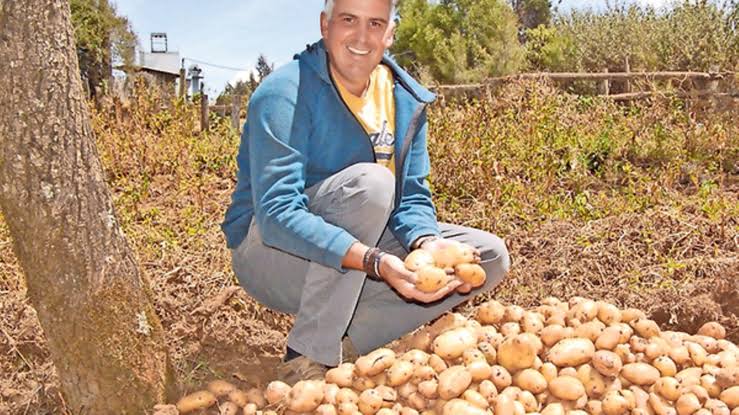
Gasperi believes Kenya has an opportunity to shape the direction of its potato industry by learning from established international markets while developing solutions suited to local production conditions. “We’re an emerging economy. So we have the opportunity right now to shape the direction that we’re going,” he said, urging stakeholders to learn, adapt and work together to build a more coordinated sector. The 13th World Potato Congress is scheduled for October 26–30, 2026, in Naivasha, bringing international potato industry stakeholders to Kenya for knowledge exchange, networking and technical visits.
From farming challenges to a broader business model
Gasperi’s entry into potato farming began after he and his family returned to Kenya about nine years ago. With an initial background in nursing, he had previously been involved in medical work and community development initiatives, including water and sanitation projects. He later began farming on land he had acquired in Kenya, seeking advice from neighbouring farmers on suitable crops. Potatoes emerged as his preferred option, alongside maize and beans. His early experience exposed him to the challenges farmers face when selling their produce, particularly through informal broker arrangements. He recalled an early transaction in which a buyer arrived to collect his potatoes but demanded different packaging and handling arrangements from what he had expected. The experience highlighted the importance of understanding market requirements before production and agreeing on the terms under which produce would be sold.
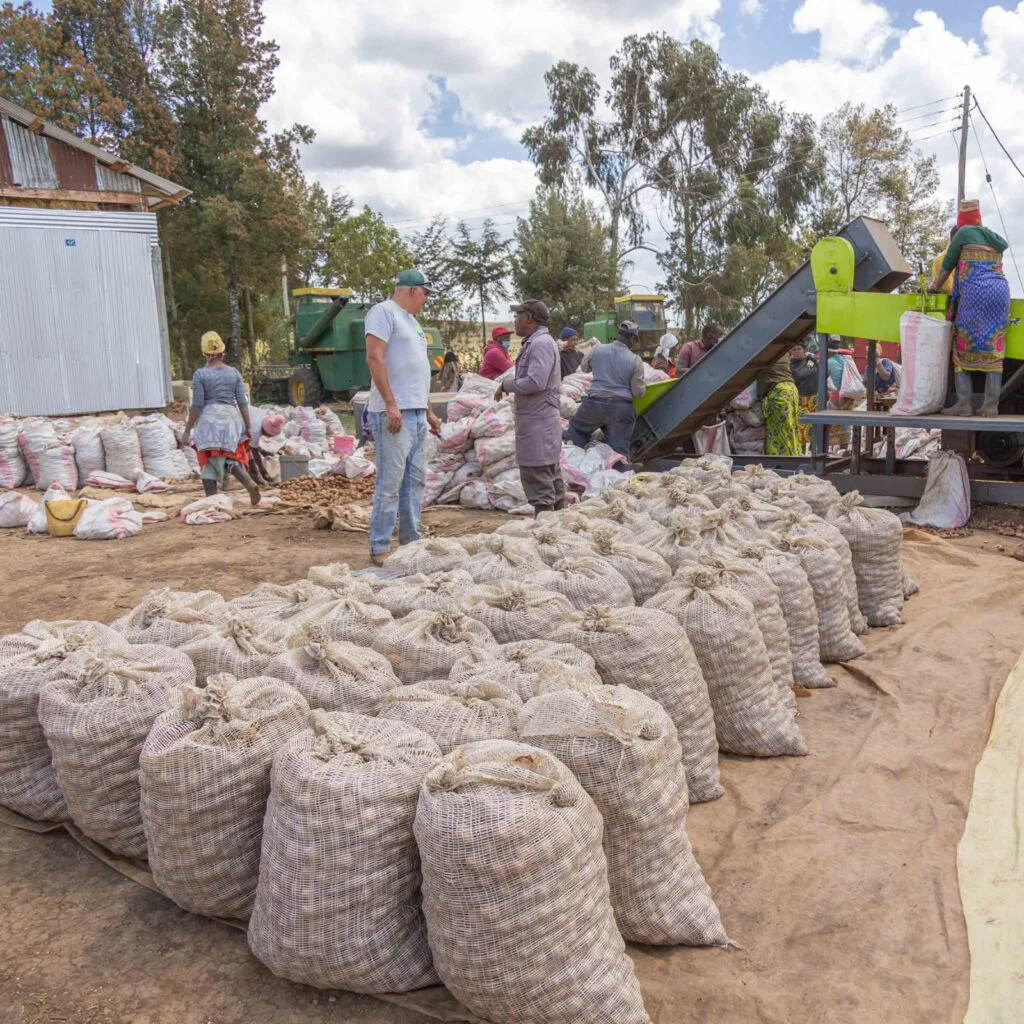
Rather than relying entirely on brokers, he began exploring direct supply arrangements with institutions and commercial buyers. One of his early approaches involved supplying potatoes to a school in Nakuru after learning that it was experiencing challenges with the quality of produce sourced through its existing supply chain. These experiences helped shape his view that potato farming requires more than producing a good crop. Farmers also need reliable buyers, market information, appropriate inputs and a better understanding of the requirements of their intended markets. That thinking would later inform FreshCrop’s broader business model.
Connecting seed production, agronomy and farmers
FreshCrop subsequently expanded its activities beyond seed production into farmer support and agricultural inputs. One of its operations, FreshVet, focuses on soil testing, fertilisers and agrochemical distribution. Gasperi explained that the business seeks to distinguish itself by stocking products its team has evaluated and used, rather than relying solely on products that suppliers want to promote. The company developed a system in which agricultural products and recommended input packages could first be tested on farms before being offered to farmers. It also moved beyond small demonstration plots to larger trials, including collaborative evaluations on approximately 30 acres, to establish how products performed under more realistic farming conditions. The approach is designed to help farmers make more informed decisions about inputs and agronomic practices.
FreshCrop also developed a network of farmer-facing representatives, initially referred to as trainers of trainers and later as FreshCrop ambassadors, to help communicate information about products and farming practices. The expansion into farmer support reflects the company’s broader effort to connect different stages of potato production rather than treating seed supply, agronomy and marketing as separate activities.
Potato processing opens a new growth opportunity
A major development in FreshCrop’s expansion has been its move into potato processing. Gasperi said the company began constructing its first processing centre about three years ago and opened the facility in January 2026. The centre marked a significant step in the company’s effort to connect commercial potato production with demand from food businesses and other large buyers. According to Gasperi, FreshCrop has secured supply arrangements involving Simba Foods, Java, Naivas and major hotels, and is working to expand the processing operation.
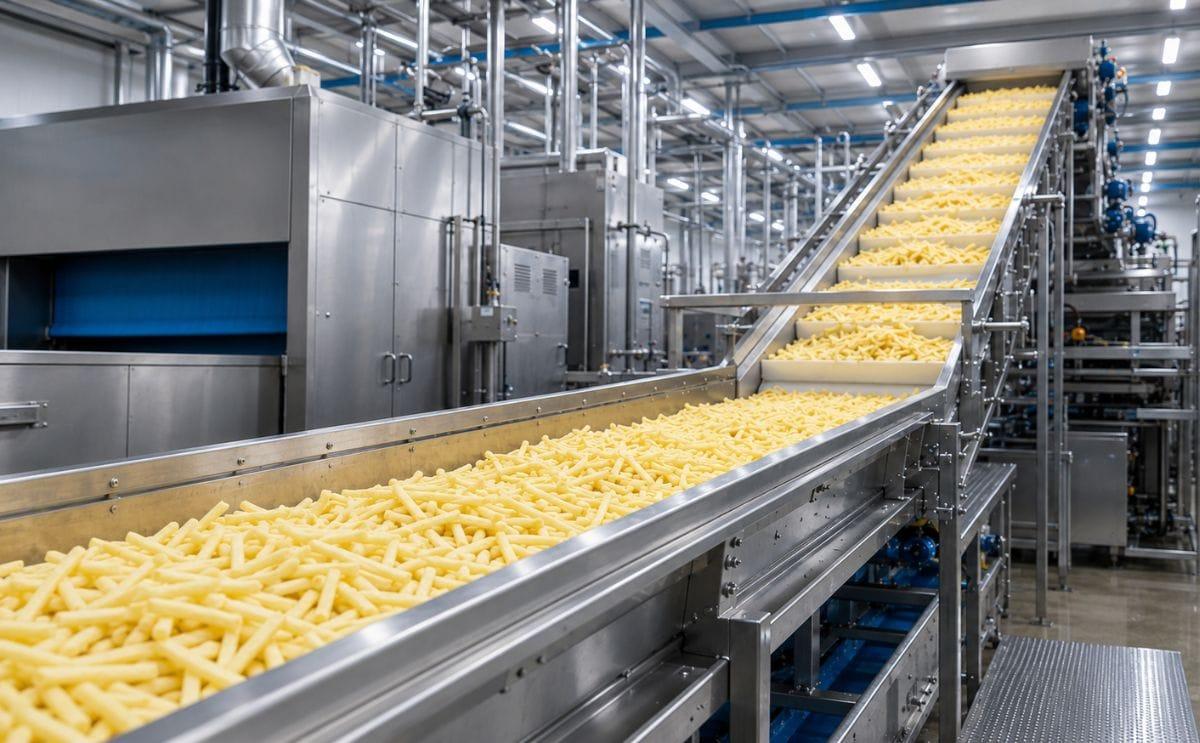
The company is also continuing its contract farming activities, which help connect production with the requirements of its commercial customers. By combining seed production, farmer support, commercial farming and processing, FreshCrop aims to establish a more coordinated supply chain that can respond to market demand. The model also provides an opportunity to evaluate potato varieties based on their intended use, rather than focusing only on their performance in the field.
Why potato variety selection must start with the market
Developing a new potato variety is a lengthy process that can take eight to ten years, Gasperi explained. FreshCrop does not undertake the entire breeding process itself. Instead, it works with breeders, including an organisation referred to as SIP in the interview, which supplies advanced clones for evaluation. The company also works with other breeders based in Europe and Asia. An advanced clone is assessed before it is given a commercial name and released as a market variety. Gasperi said FreshCrop had been receiving approximately 70 to 150 new clones per season over the preceding year and a half. The material is planted in the company’s fields and evaluated to determine whether it has the characteristics required to progress towards commercial production.
At different times, the farm may have around 200 varieties or candidate clones under evaluation. Many are rejected after initial trials because they do not meet the company’s requirements. Typically, only two or three candidates from a batch progress further. The selection process involves assessing agronomic performance, but FreshCrop also considers where each variety could fit commercially. A variety might be suitable for crisps, chips or the fresh table-potato market. Its potential therefore depends not only on how it grows, but also on whether buyers and processors will accept it. Gasperi said the company’s processing operation has strengthened its ability to test varieties for specific end uses by supplying samples to potential customers and gathering feedback.
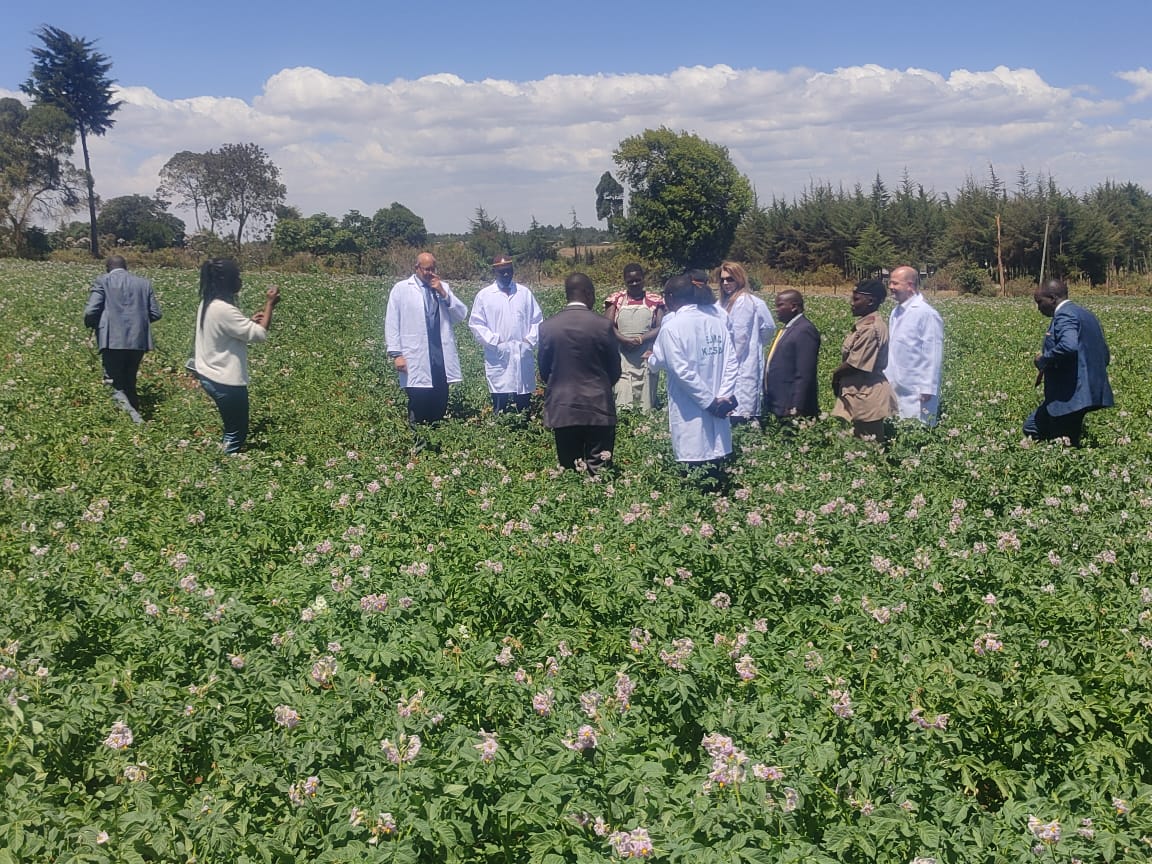
Among the newer varieties being evaluated or considered for the company’s portfolio are Jelly, Brumba and Nata from Europlant, alongside varieties from Asia, including those with the Lady prefix, such as Lady Amarillo and Lady Rosetta. The company is assessing their suitability before deciding which to advance. Gasperi argued that this market-led approach is important in a country where many potato varieties may be registered and available for multiplication, but only a smaller selection is widely produced. His concern is that farmers can be left without a reliable market if new varieties are introduced without adequate consideration of their commercial destination. For FreshCrop, variety evaluation must therefore connect farm performance with the needs of processors, buyers and consumers.
Kenya’s year-round production advantage
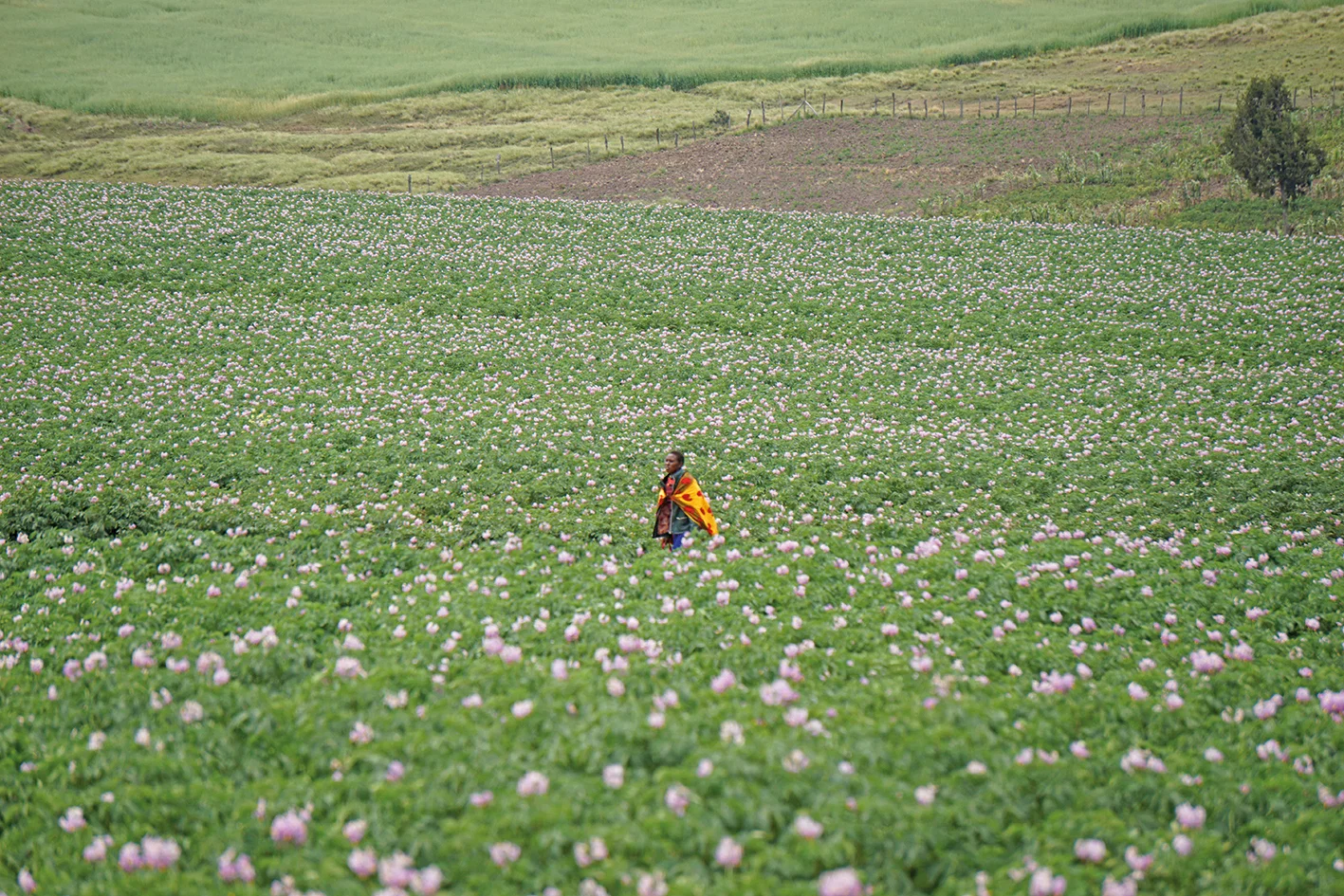
Gasperi believes Kenya has a significant opportunity to develop its potato industry because of its ability to produce the crop throughout the year. Drawing on his experience and visits to potato-producing countries, including the United States, the Netherlands and Australia, he contrasted Kenya’s production potential with regions where winter conditions can interrupt field production for extended periods. Kenya’s growing conditions, he argued, could help the country supply domestic consumers more consistently while exploring opportunities in export markets. However, realising this potential requires a more coordinated industry, including reliable seed supply, better agronomic practices, efficient handling and market systems that connect production with demand. Processing is another opportunity. Demand for French fries and other potato products is growing, but Gasperi said Kenya should also consider developing products that make better use of the potato’s nutritional value.
He pointed to the potential to recover useful material from potato-processing by-products. In the example he shared, a partner extracts protein from processing material for use by flour manufacturers producing fortified maize flour, commonly known as unga. He argued that such applications could help the industry reduce waste and create additional value from potatoes. While acknowledging the continuing demand for French fries, Gasperi said Kenya had an opportunity to learn from established processing markets and explore a wider range of products as its industry develops.
World Potato Congress brings global and local stakeholders together
Gasperi’s involvement in the World Potato Congress began about six years ago, when he received a scholarship to attend the event in Ireland after presenting his work as an emerging seed producer in Kenya. He subsequently attended another congress in Australia, where discussions continued around bringing the international event to Kenya. Earlier efforts to host the congress encountered difficulties during the process of securing agreements and coordinating stakeholders. The organisers later explored a model that would bring together the National Potato Council of Kenya, FreshCrop, government institutions and private-sector partners. The current congress is being organised through collaboration among these stakeholders, with participation from the agriculture ministry and other organisations involved in the potato value chain. Gasperi said preparations had reached an advanced stage, with more than 600 delegates reportedly registered at the time of the interview and fundraising targets met. Organisers were working on venue and transport arrangements and coordinating technical visits.
The programme is designed to combine conference sessions with practical exposure to Kenya’s potato industry. Delegates are expected to visit institutions in the Nairobi area, including the Kenya Agricultural and Livestock Research Organisation (KALRO) and the Kenya Plant Health Inspectorate Service (KEPHIS), to learn about potato breeding, germplasm conservation, regulation and tissue culture. Other visits will showcase potato crisping and processing.
Bringing international knowledge to local farmers
A key component of the congress will be the field day, which organisers are using to connect international delegates with Kenyan potato farmers. Gasperi said the organising committee had sponsored 1,500 farmers from potato-growing counties to participate in the field day, creating an opportunity for growers who might not otherwise afford to attend the full congress. The event is expected to showcase local and international technologies, including seed varieties, soil and crop nutrition products, foliar sprays and other farming solutions. International delegates will have the opportunity to learn from Kenyan growers, while farmers can interact with global industry participants and see technologies being evaluated or used in different production systems. For Gasperi, this exchange is central to the purpose of hosting the congress in Kenya: learning from international experience while building solutions that fit the country’s own production conditions and market opportunities.
He said Kenya’s potato sector should use the event to strengthen collaboration, improve productivity and create a more integrated value chain. The broader opportunity, he argued, is to ensure that innovation in seed production, farming and processing translates into tangible benefits for growers and consumers. As Kenya prepares to host the 13th World Potato Congress, FreshCrop’s experience highlights the importance of connecting production with markets and ensuring that the country’s year-round growing potential is supported by a stronger, more coordinated potato industry.