

By Victor Prince
the science of growing healthier crops naturally while reducing pests and boosting yields
In modern agriculture, farmers are under increasing pressure to produce more food while reducing production costs, protecting the environment, and meeting consumer demand for safer, healthier produce. Rising pesticide prices, increasing resistance among insect pests, concerns over environmental sustainability, and the need to protect beneficial insects such as bees have encouraged growers to seek smarter ways of managing their crops.
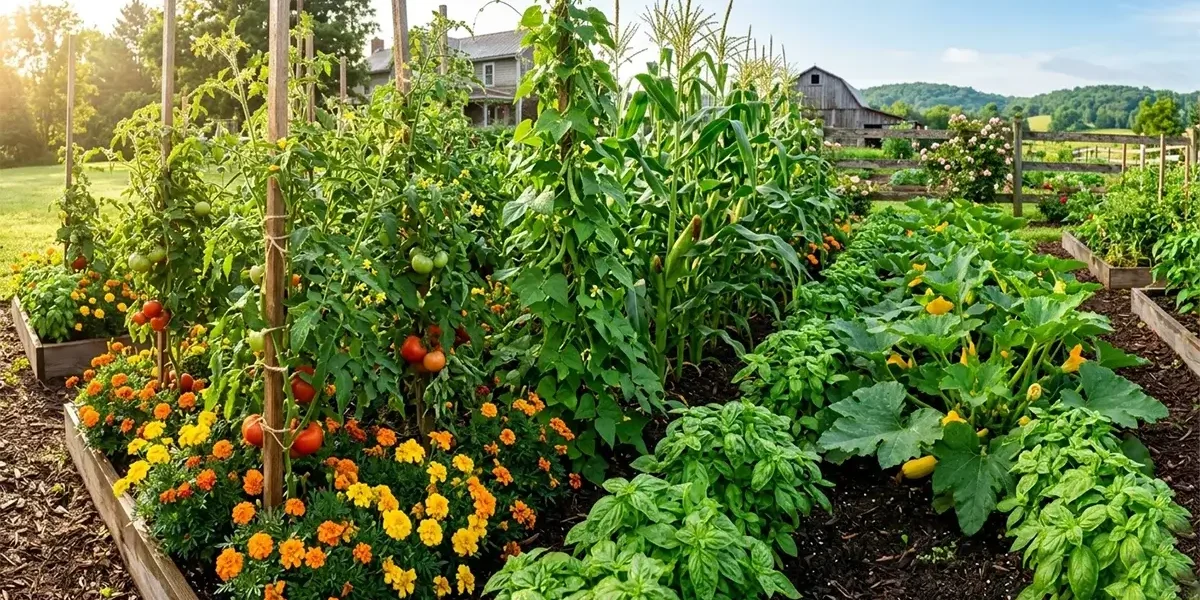
One of the most effective and affordable solutions is companion planting—the strategic practice of growing compatible crops, herbs, and flowers together so they naturally support each other’s growth and health. Far from being an old gardening tradition, companion planting is now recognised by agronomists as an important component of Integrated Pest Management (IPM), helping farmers reduce pest pressure while improving biodiversity and crop performance.
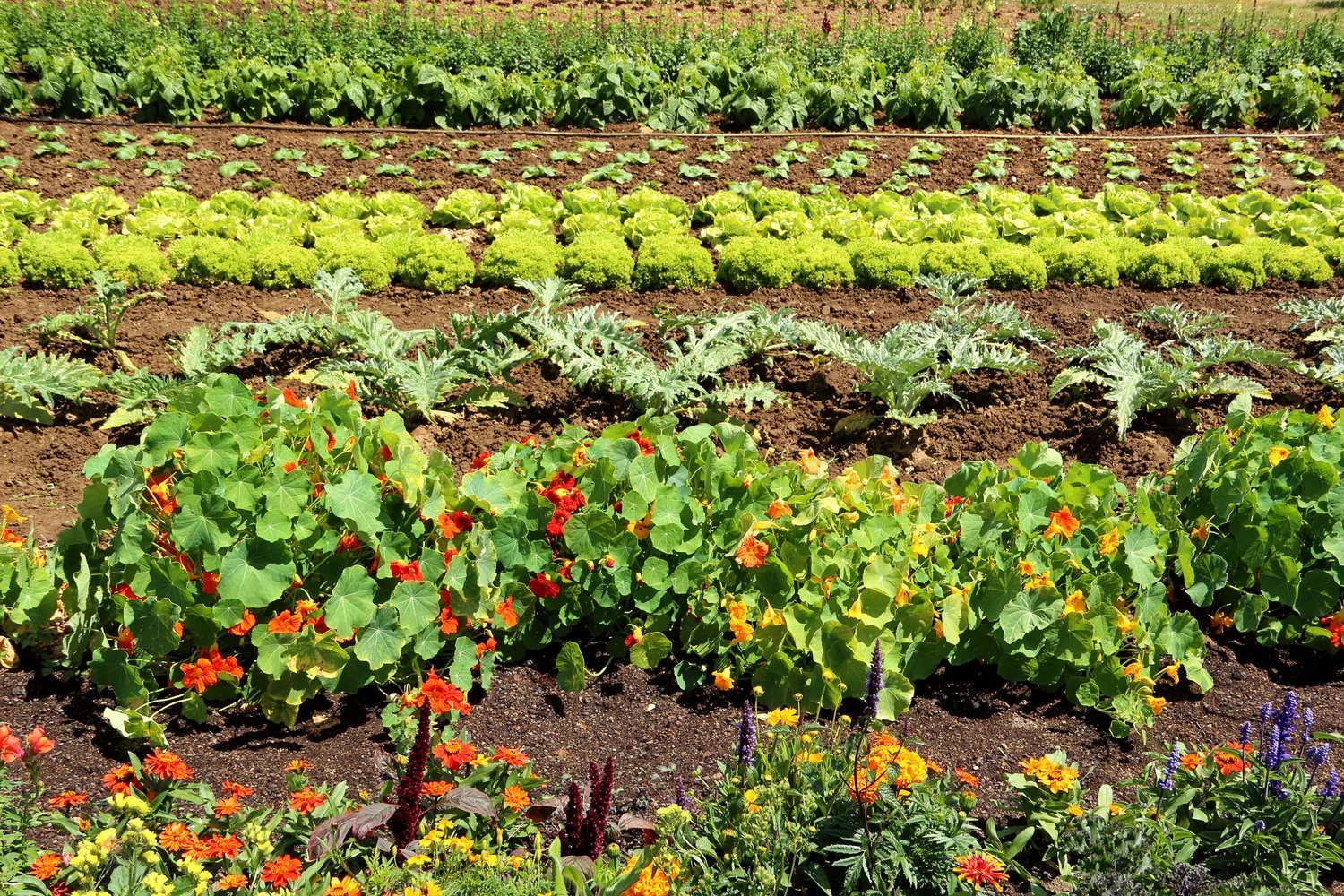
Instead of relying entirely on chemical pesticides, companion planting harnesses natural relationships between plants and insects. Certain herbs release aromatic compounds that confuse or repel destructive pests, while flowering plants attract pollinators and beneficial insects that prey on harmful pests. Other companion plants improve soil health, conserve moisture, suppress weeds, or even enhance the flavour and quality of neighbouring crops.
When combined with crop rotation, proper irrigation, balanced fertilisation, field sanitation, and regular crop scouting, companion planting becomes a powerful tool for sustainable horticultural production.
Why companion planting works
Plants are far more interactive than many people realizerealise. They constantly release natural chemical compounds into the air and soil. While some of these chemicals attract pollinators, others repel insects, suppress harmful soil organisms, or even influence the growth of neighbouring plants.
Many insect pests locate crops by following specific scents released by leaves and stems. Aromatic herbs such as basil, rosemary, garlic, onions, sage, and catnip interfere with these chemical signals, making it difficult for pests to locate their preferred host plants. This process, known as olfactory masking, reduces pest infestations without harming beneficial insects.
Flowering companion plants such as borage, dill, thyme, marigolds, and rosemary provide nectar and pollen that attract bees, hoverflies, lacewings, ladybird beetles, and parasitic wasps. These beneficial insects act as natural pest controllers by feeding on aphids, caterpillars, whiteflies, thrips, and other destructive pests.The result is a healthier and more balanced ecosystem where crops are naturally protected, and farmers rely less on chemical pesticides.
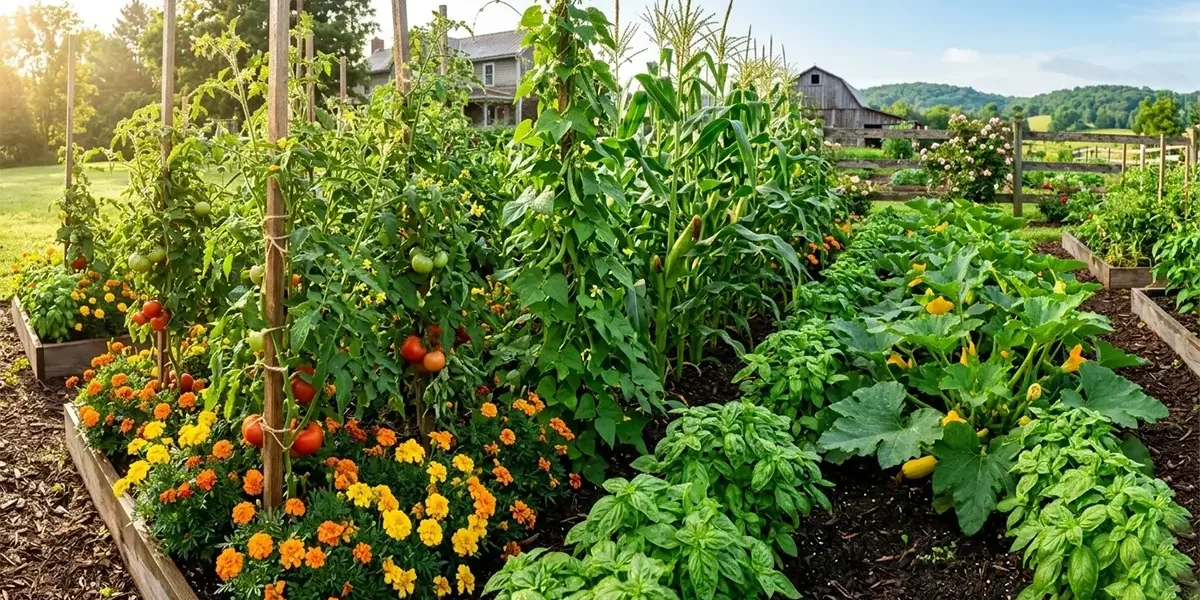
Tomatoes: The king of companion planting
Tomatoes are among the crops that benefit most from companion planting.
Planting basil alongside tomatoes helps repel whiteflies and thrips by masking the scent that normally attracts these pests. Whiteflies weaken tomato plants by sucking sap and transmitting viral diseases such as Tomato Yellow Leaf Curl Virus, while thrips spread Tomato Spotted Wilt Virus. Basil’s aromatic oils make tomato plants harder for these insects to locate and attract bees that improve pollination.
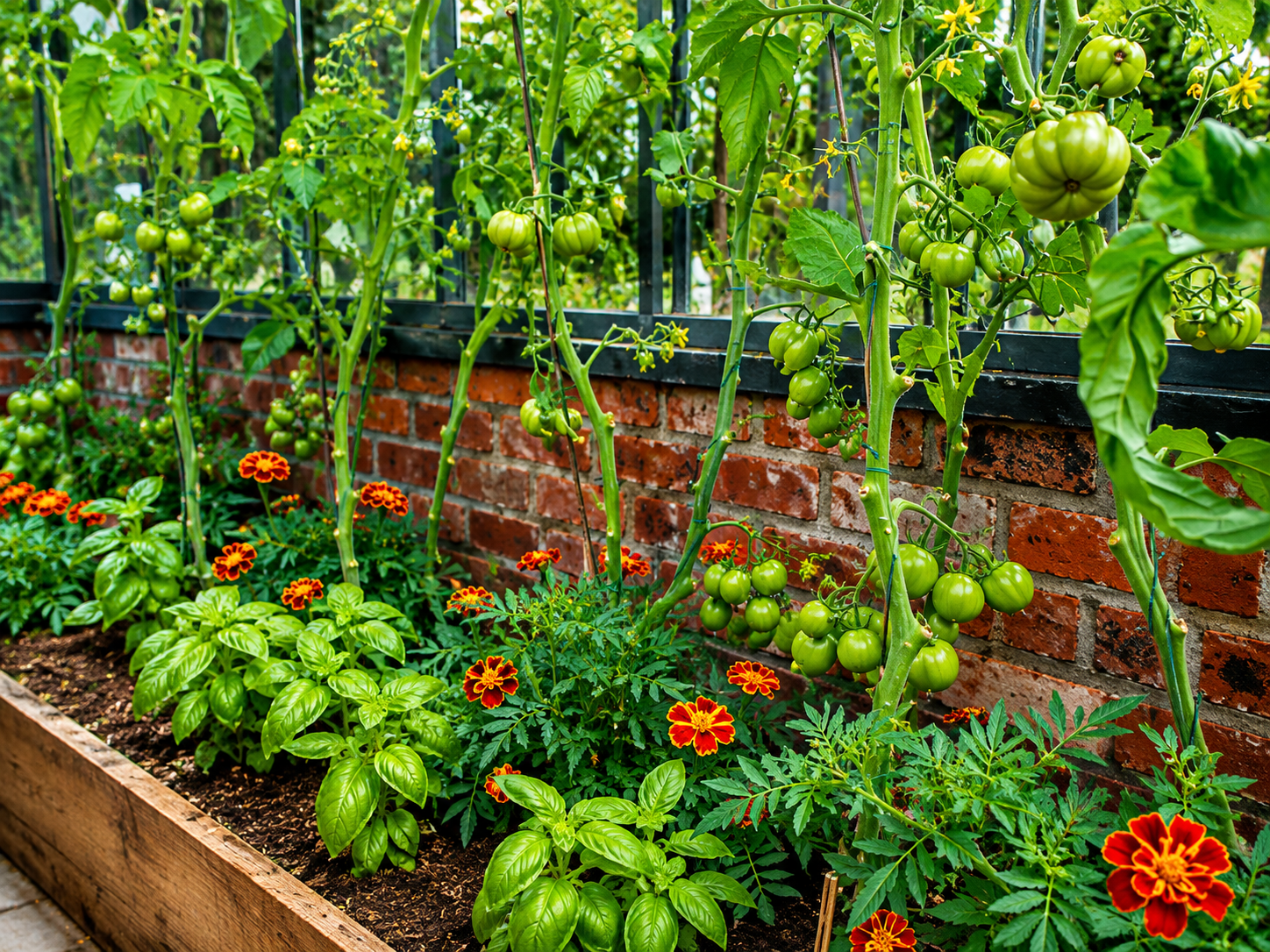
Another excellent companion is the marigold. Its roots release natural compounds called thiophenes that suppress root-knot nematodes—microscopic worms that attack tomato roots, causing galls, poor nutrient uptake, stunted growth, and reduced yields. Marigold flowers also attract beneficial insects including hoverflies, lacewings, ladybird beetles, and parasitic wasps that help control aphids and other pests.
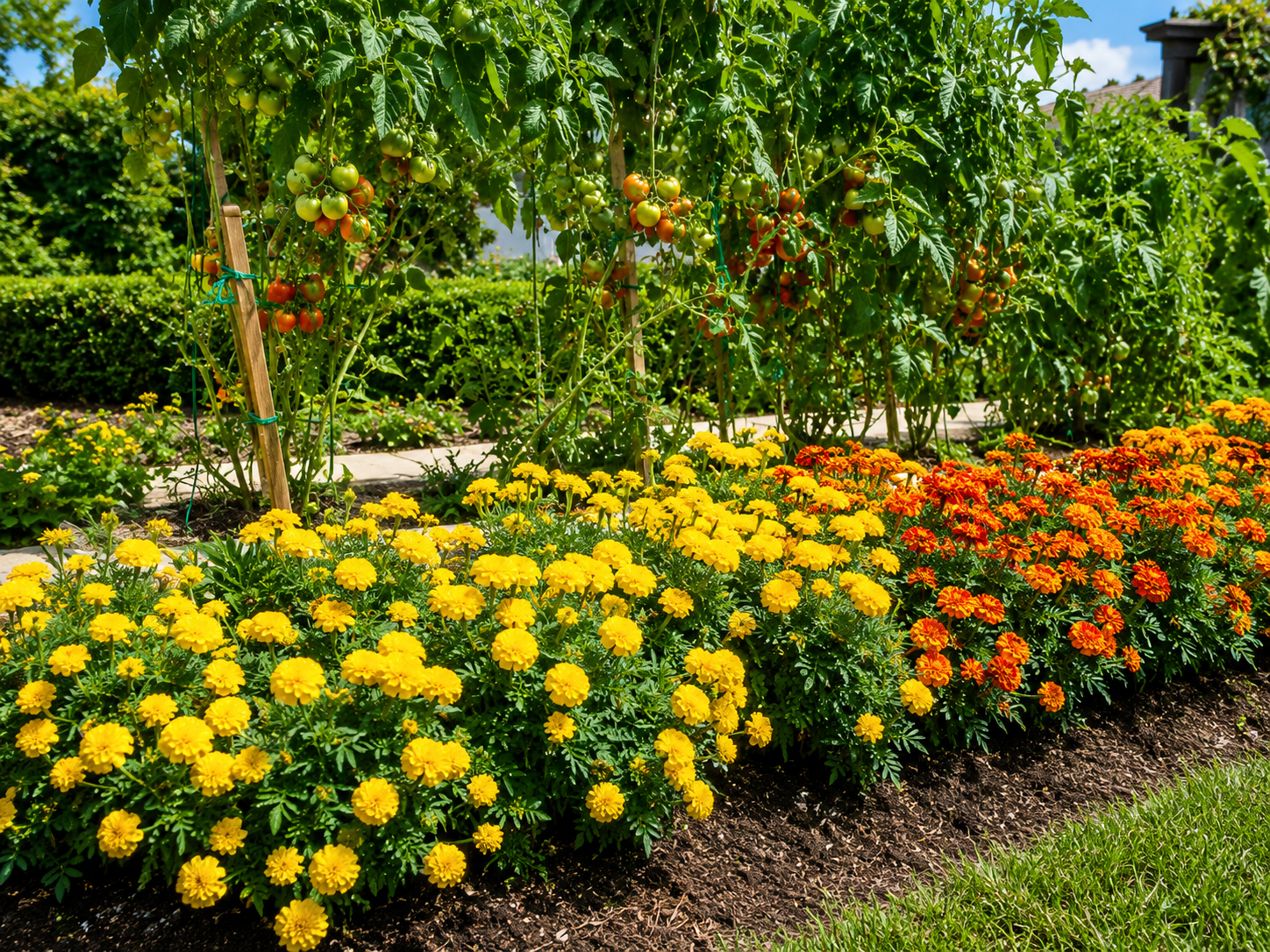
However, not every neighbour benefits tomatoes. Farmers should avoid planting tomatoes near potatoes, corn, fennel, walnut trees, and brassicas such as cabbage, broccoli, and cauliflower. These plants either compete heavily for nutrients, share devastating diseases like late blight, attract common pests, or release chemicals that suppress tomato growth
Carrots: Using natural scents to confuse pests
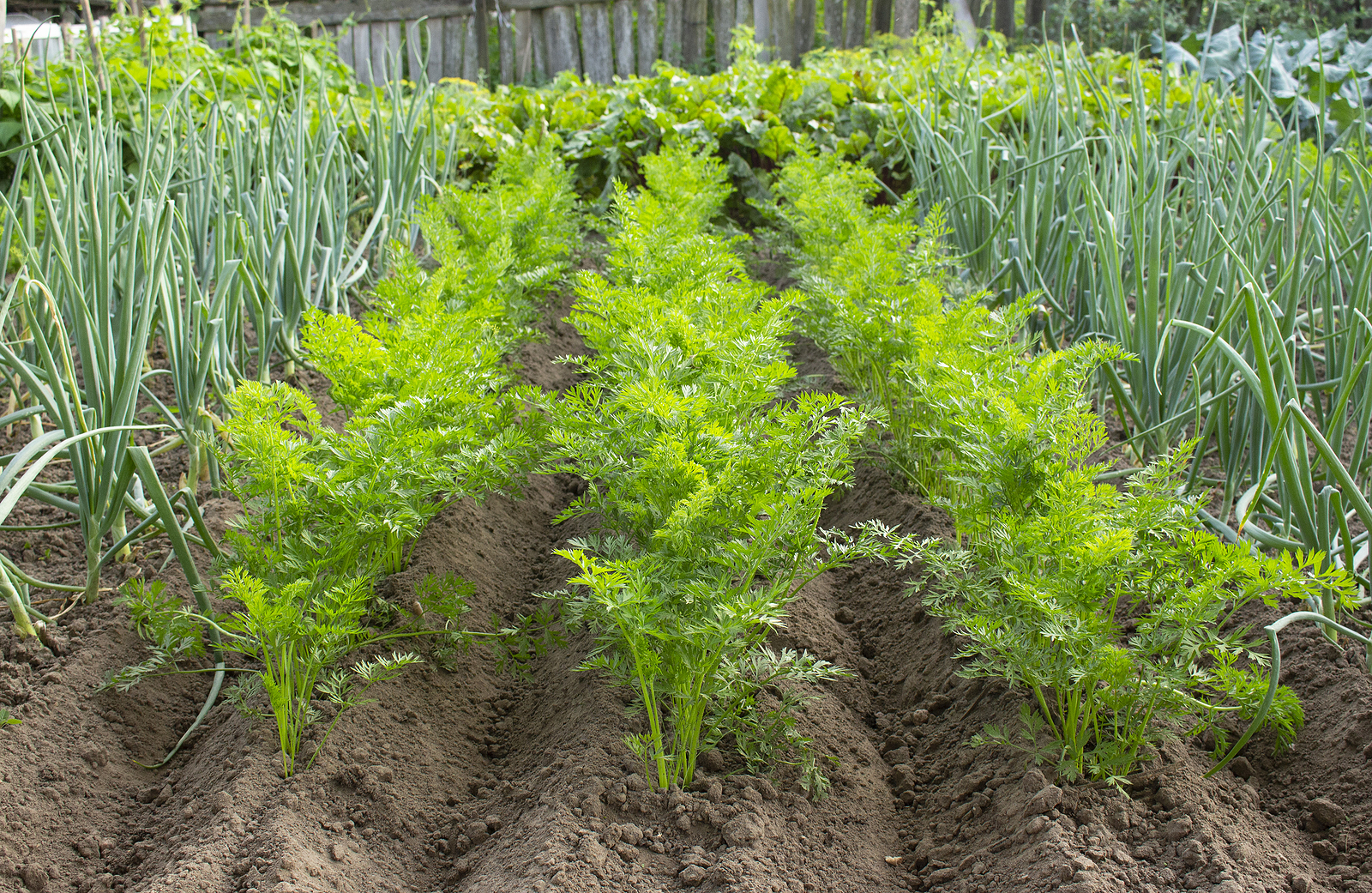
Carrots are highly susceptible to the carrot rust fly, one of the most destructive pests affecting root crops.
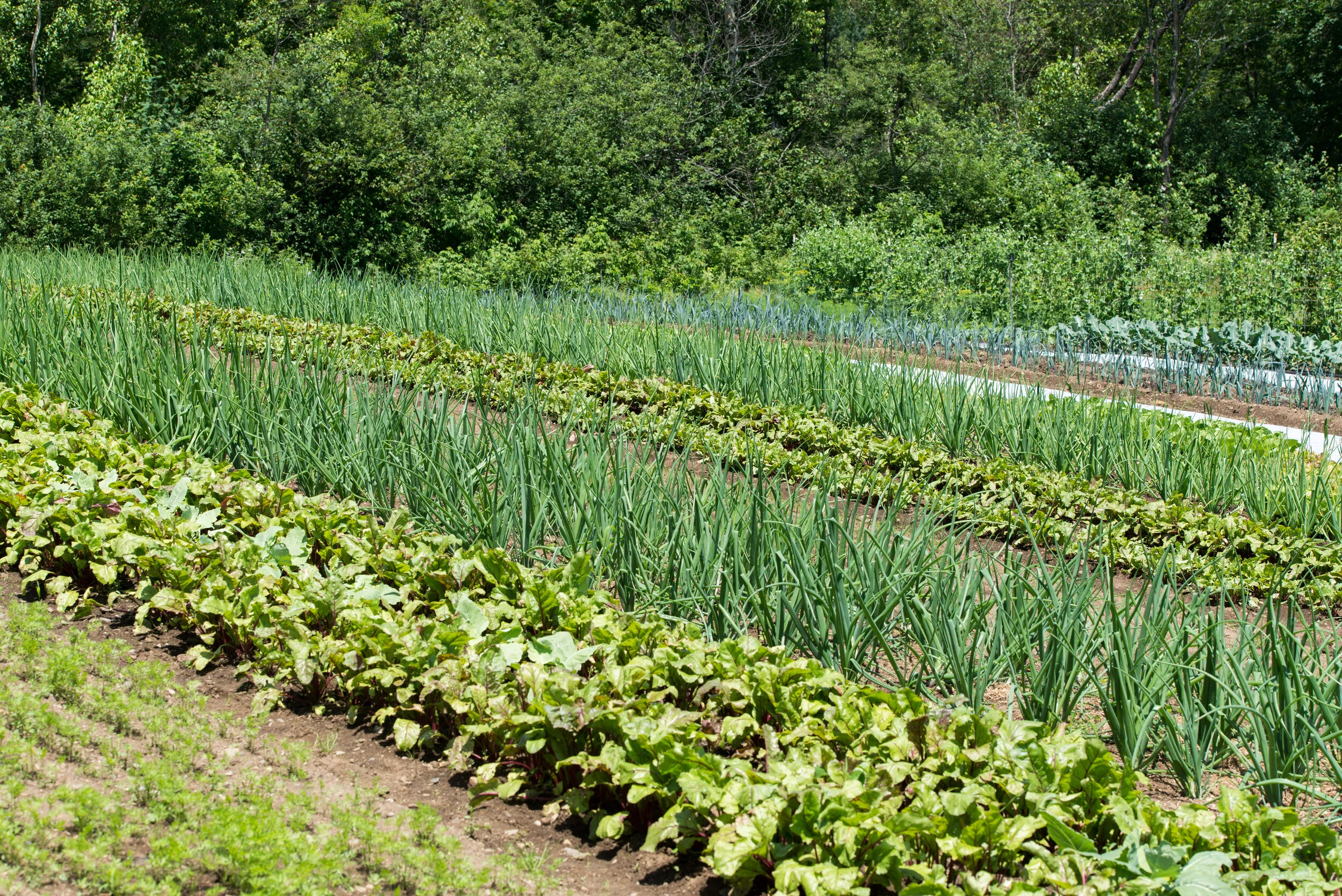
Planting onions between carrot rows creates a natural barrier. The strong sulphur compounds released by onions mask the scent of carrots, making it difficult for female carrot rust flies to locate the crop for egg-laying. Interestingly, carrots return the favour by helping disguise onions from onion flies, making this a mutually beneficial partnership.
Sage provides an additional layer of protection. Its aromatic oils further deter carrot rust flies while its flowers attract pollinators and beneficial insects. Since sage is also a valuable culinary herb, farmers gain an additional harvest from the same piece of land.
Carrots should not be planted near fennel, which releases allelopathic chemicals that suppress root growth, or parsnips, which attract many of the same pests and diseases, increasing the risk of severe infestations.
Lettuce: Protecting tender leaves naturally
Because lettuce is harvested for its leaves, even minor insect damage can significantly reduce its market value.
Planting garlic alongside lettuce helps repel aphids through its sulphur-rich compounds. Aphids weaken plants by sucking sap, causing distorted leaves and spreading viral diseases. Garlic also discourages browsing animals such as deer and rabbits in areas where wildlife is a problem.
Garlic contributes natural antifungal properties to the growing environment and occupies little space, allowing lettuce to develop normally without excessive competition.
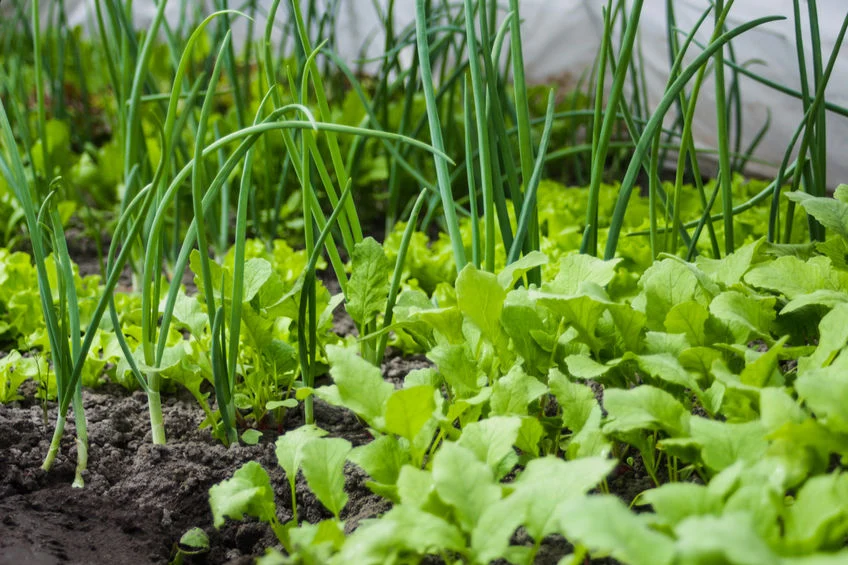
Large brassicas such as cabbage and broccoli should be kept away from lettuce because they compete aggressively for water and nutrients while creating humid conditions that encourage fungal diseases. Fennel is also a poor companion because of its growth-inhibiting chemical secretions.
Squash: Building a natural defence system
Squash crops—including pumpkins, zucchini, and butternut—are highly vulnerable to squash bugs, cucumber beetles, aphids, and vine borers.
Planting catnip around squash beds creates a powerful natural defence. Catnip produces an essential oil called nepetalactone, which repels squash bugs and several other insect pests. At the same time, its flowers attract parasitic wasps and hoverflies that prey on harmful insects.
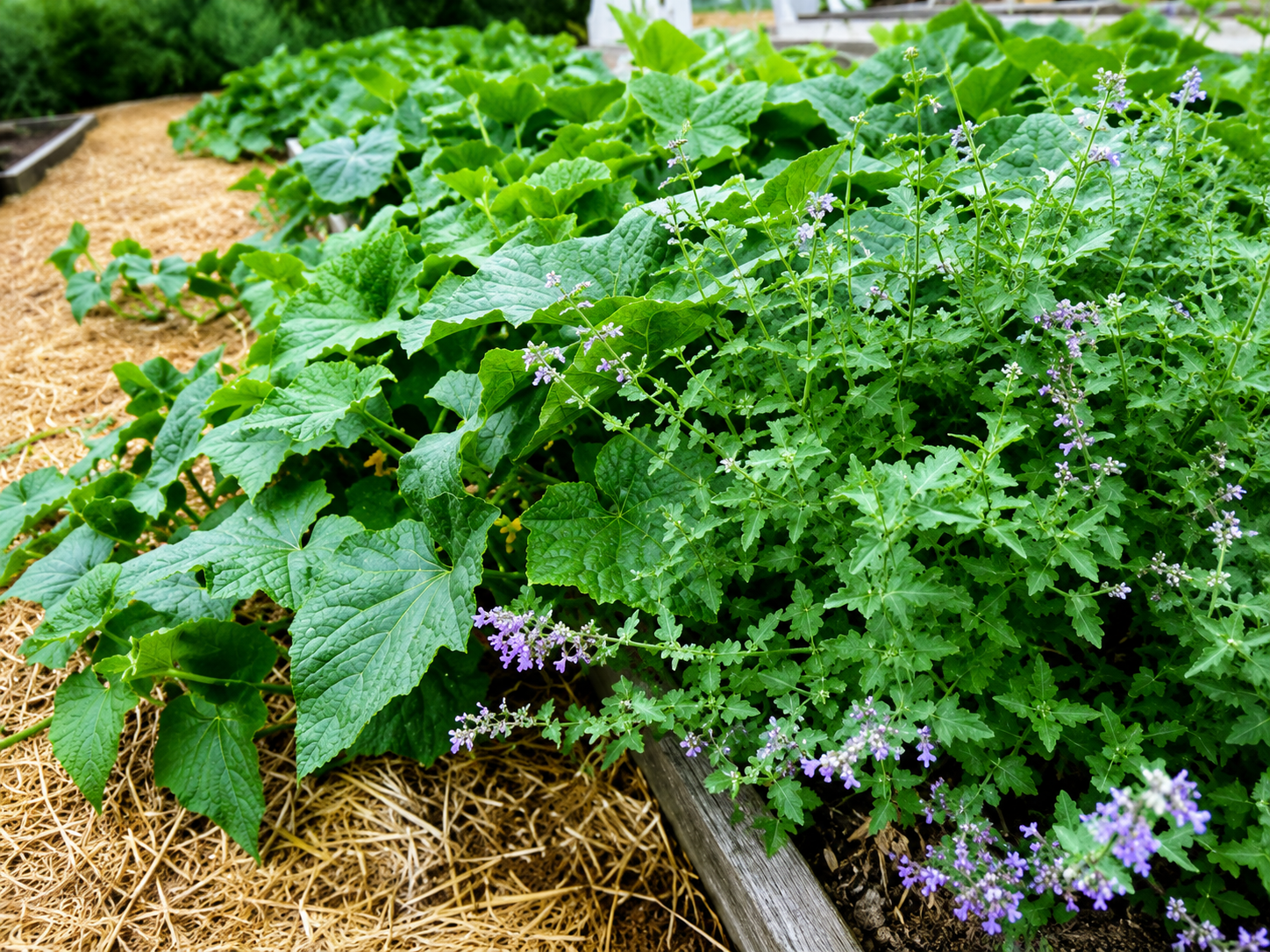
Companion planting also improves pollination. Flowering herbs attract bees that transfer pollen between male and female squash flowers, increasing fruit set and improving yields.
Farmers should avoid growing squash too close to cucumbers, melons, or potatoes, as these crops share many of the same insect pests and fungal diseases, allowing infestations to spread rapidly.
Strawberries: Improving pollination and fruit quality
Strawberries benefit enormously from flowering companion plants.
Borage is considered one of the best companions because its bright blue flowers attract bees, butterflies, hoverflies, and parasitic wasps. Increased pollinator activity leads to better fertilisation of strawberry flowers, resulting in larger, better-shaped berries with improved market quality.
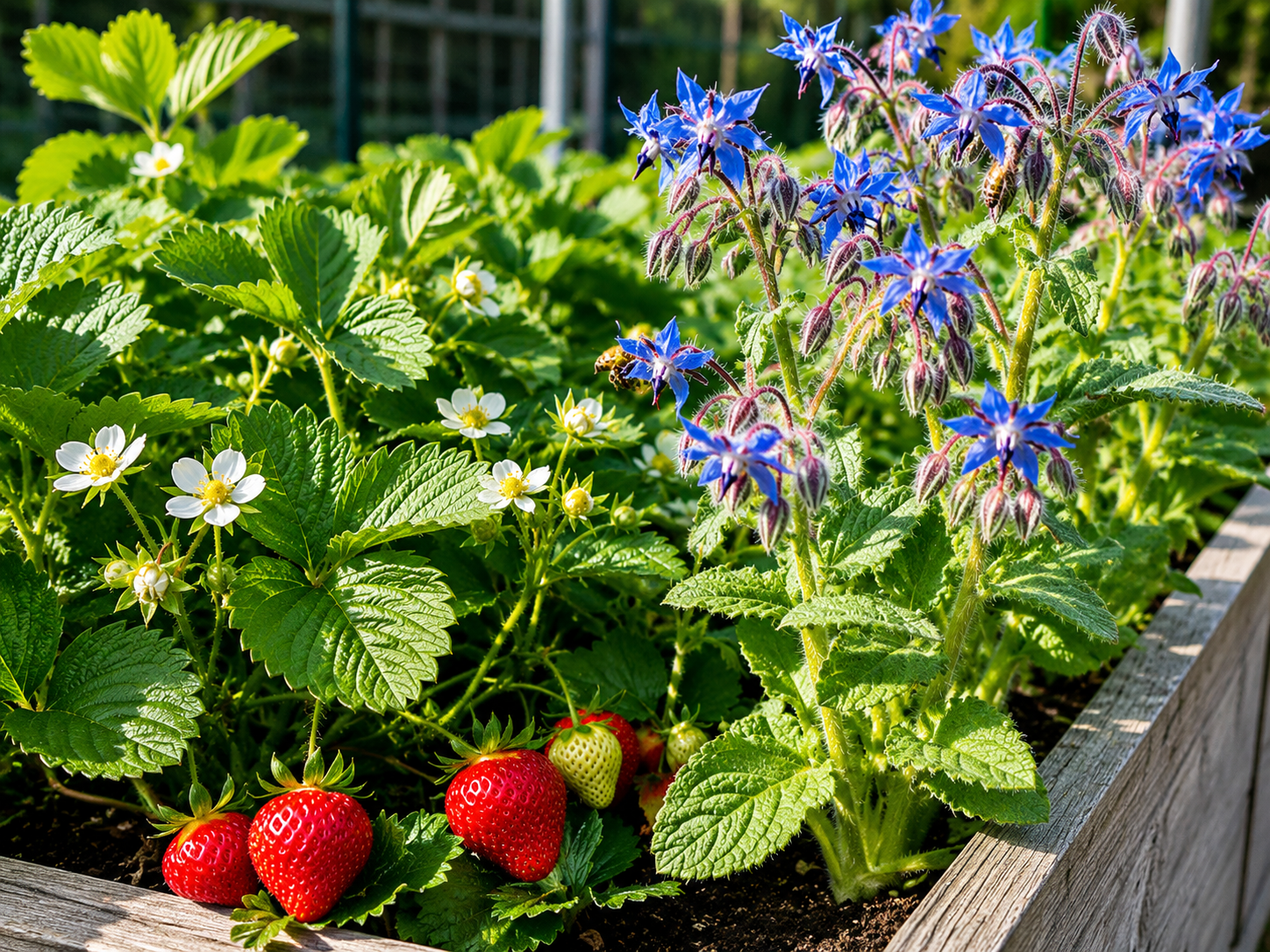
Thyme forms a living mulch beneath strawberry plants. It suppresses weeds, conserves soil moisture, reduces soil temperature fluctuations, and releases aromatic oils that help deter certain caterpillars and berry-damaging pests. Its flowers also attract pollinators throughout the growing season.
Strawberries should be kept away from potatoes, tomatoes, and peppers, which can harbour Verticillium wilt and other soil-borne diseases that threaten strawberry production. Large brassicas should also be avoided because they compete for nutrients and reduce airflow around strawberry plants.
Cabbage: Recruiting nature’s pest controllers
Cabbage is one of the most pest-prone vegetables, frequently attacked by cabbage worms, diamondback moths, aphids, and cabbage loopers.
Planting dill nearby transforms the field into a haven for beneficial insects. Dill’s umbrella-shaped flowers attract parasitic wasps that lay eggs inside cabbage worms, preventing them from completing their life cycle. Hoverflies attracted to dill produce larvae that consume hundreds of aphids before reaching adulthood.
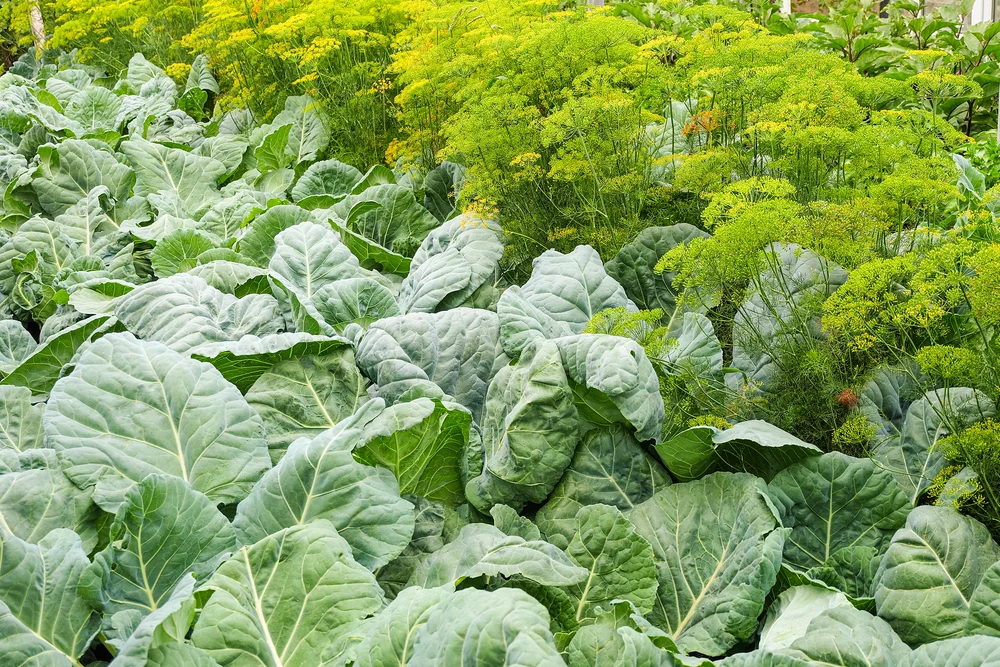
This natural biological control reduces reliance on insecticides while protecting pollinators and improving biodiversity.
Tomatoes and strawberries are poor neighbours for cabbage because they compete for nutrients and create unfavourable growing conditions that may increase disease pressure.
Beans: Supporting legumes naturally
Beans have a unique ability to fix atmospheric nitrogen through beneficial Rhizobium bacteria living inside their root nodules.
Planting rosemary nearby helps protect bean crops from Mexican bean beetles, aphids, and whiteflies. Rosemary’s aromatic oils interfere with pest detection while its flowers attract bees, hoverflies, lacewings, and parasitic wasps that strengthen biological pest control.
Unlike many other vegetables, beans should not be planted near onions, garlic, leeks, or chives. These members of the Allium family can interfere with the beneficial bacteria responsible for nitrogen fixation, reducing plant growth and pod production. Beans should also be kept away from fennel, whose root secretions inhibit the growth of many neighbouring crops.
The importance of knowing what not to plant together
Successful companion planting is not only about choosing the right partners—it is equally important to avoid harmful combinations.
Some plants compete aggressively for nutrients and water, while others share destructive pests and diseases or release chemicals that suppress neighbouring crops. Ignoring these interactions can reduce yields, increase pesticide use, and create ideal conditions for pest outbreaks.
By understanding both beneficial and antagonistic relationships, farmers can design healthier, more productive cropping systems that work with nature instead of against it.
Companion planting works best as part of an Integrated Pest Management (IPM) programme
While companion planting is an effective way to reduce pest pressure naturally, it delivers the best results when combined with other good farming practices under an Integrated Pest Management (IPM) programme. IPM focuses on preventing pest problems while reducing reliance on chemical pesticides.
A successful IPM programme includes:
- Regular crop scouting to detect pests and diseases early before they spread.
- Crop rotation to break the life cycles of pests and soil-borne diseases.
- Healthy soil management using organic matter and balanced nutrition to produce stronger, more resilient plants.
- Balanced fertiliser application to avoid excessive vegetative growth that attracts insect pests.
- Proper irrigation to minimise plant stress and reduce conditions that favour fungal diseases.
- Field sanitation by removing infected plants, weeds, and crop residues that harbour pests and pathogens.
- Biological control, including conserving beneficial insects such as ladybirds, lacewings, hoverflies, and parasitic wasps that naturally suppress pest populations.
- Responsible pesticide use, applying crop protection products only when pest levels exceed economic thresholds and always according to label recommendations.
By combining companion planting with these IPM practices, farmers can improve crop health, reduce production costs, protect beneficial insects, and achieve sustainable, high-quality yields while minimising environmental impact.
A growing future for sustainable horticulture
As agriculture continues to evolve, companion planting is proving that some of the most effective farming solutions come directly from nature. By carefully combining vegetables, herbs, and flowering plants, farmers can create balanced ecosystems where beneficial insects flourish, pest populations remain under control, soils become healthier, and crops produce higher-quality harvests.
Whether growing tomatoes, carrots, lettuce, cabbage, strawberries, beans, or squash, companion planting offers a practical, affordable, and environmentally responsible strategy for improving productivity while reducing dependence on synthetic pesticides.
For farmers embracing climate-smart agriculture and sustainable horticulture, the message is clear: the right plant in the right place can become one of the most valuable tools on the farm.