



By Victor Prince
Kenyan scholar Truphena Choti to scale up cultivation of traditional African vegetables

A Kenyan-born agricultural scholar is putting traditional African vegetables at the centre of a growing agricultural enterprise in the United States after securing an $800,000 (approximately Sh103 million) federal grant to expand their commercial production.
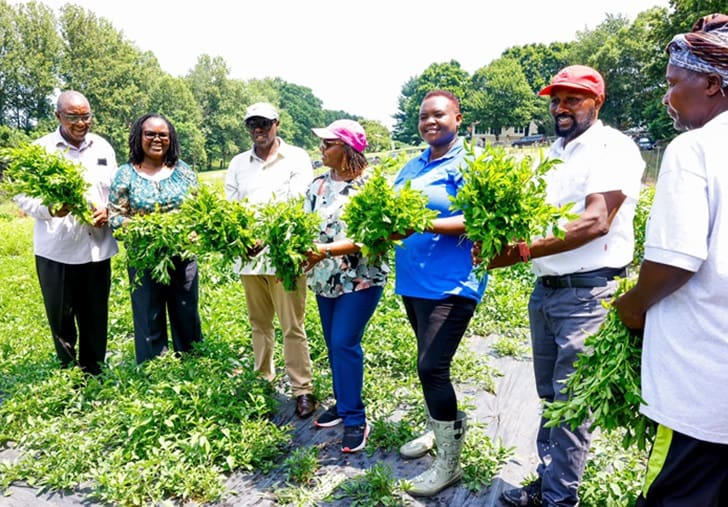
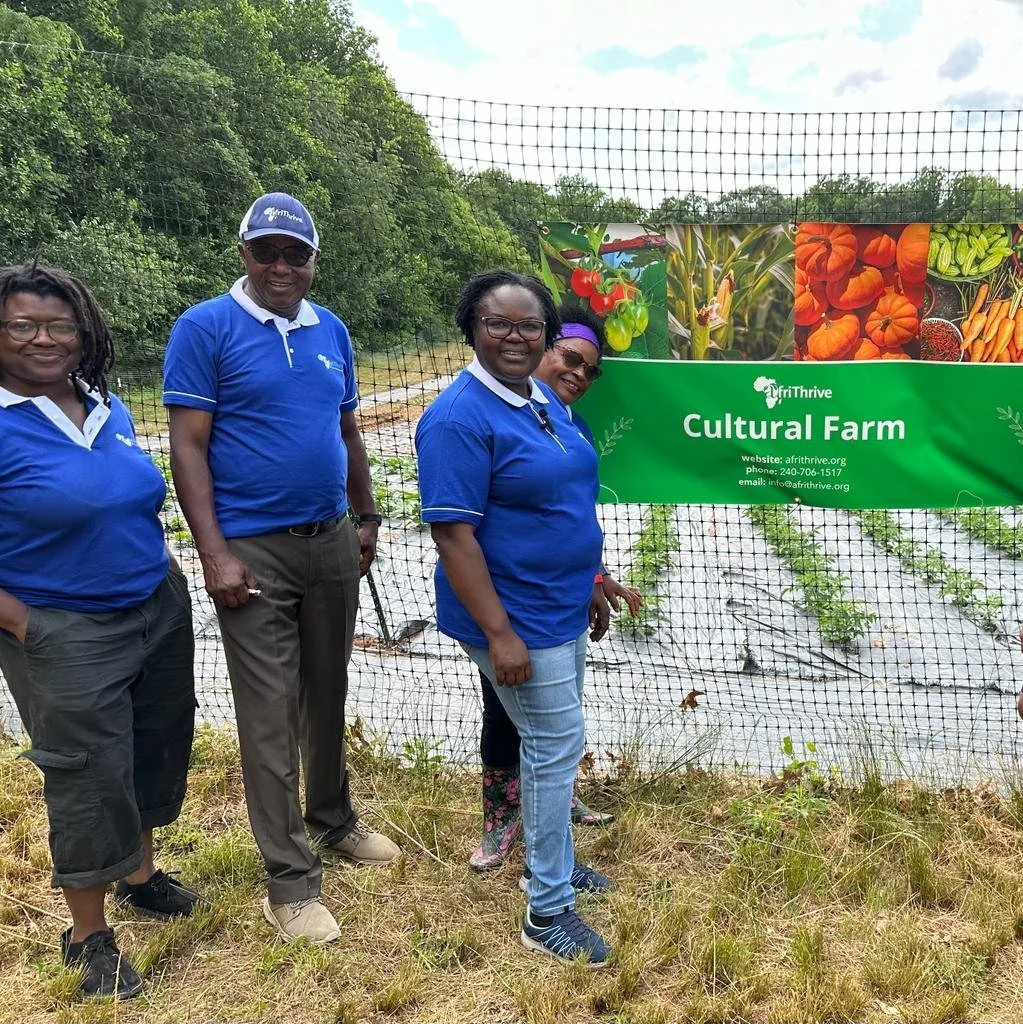
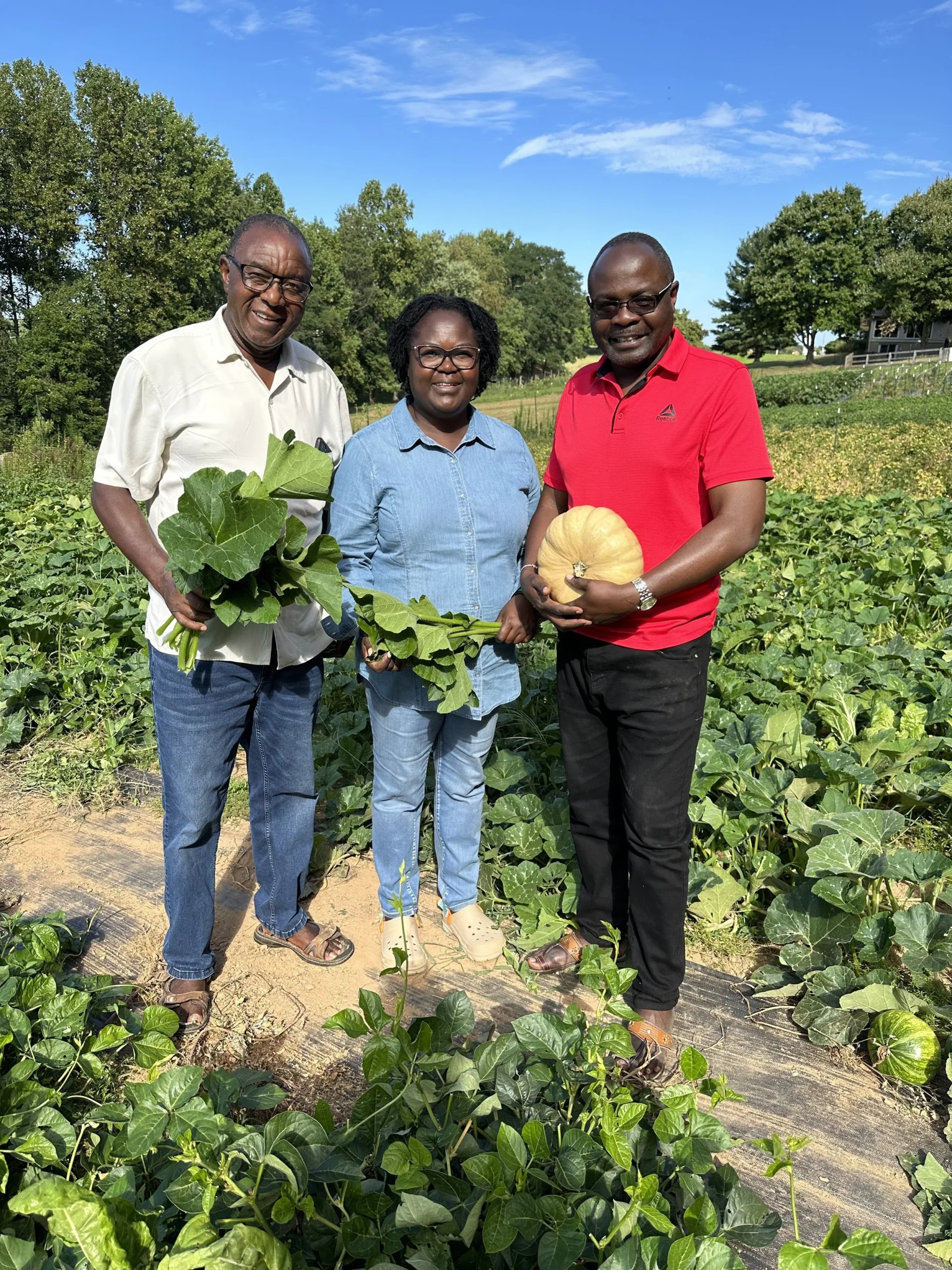
Dr. Truphena Choti, founder of AfriThrive Community Food Center in Maryland, is using the funding to scale up the cultivation of traditional African vegetables, including managu (African nightshade) and misheveve (pumpkin leaves), on American soil.
The development marks an important step in the growing commercialization of African indigenous vegetables outside the continent, while creating a potential model for diaspora-led agricultural enterprises and the preservation of African food heritage.
Bringing the taste of home closer to the diaspora
For many African immigrants living in the United States, finding fresh indigenous vegetables can be a major challenge. While African groceries and specialty food outlets provide access to imported produce, much of it is traditionally sold dried, frozen or transported over long distances.
AfriThrive is seeking to change that model by producing the vegetables locally in Maryland.The initiative aims to provide consumers with fresh African greens while reducing dependence on imported produce. For families from Kenya and other parts of Africa, crops such as managu and misheveve are more than vegetables—they are deeply connected to culture, traditional diets and memories of home.The project is therefore positioning agriculture as both an economic opportunity and a means of preserving African food culture within the diaspora.
From traditional vegetables to commercial crops
Managu and Misheveve have traditionally been grown in African homesteads and smallholder farms, with many farmers viewing them primarily as food crops for household consumption. However, growing demand among African communities abroad is demonstrating that indigenous vegetables can have significant commercial potential.
The AfriThrive model illustrates how crops that have long been part of African household diets can transition into organized, market-oriented production systems when supported by infrastructure, technology, research and access to markets.
The federal grant is expected to help the organization strengthen its production capacity and establish systems capable of supplying a larger and more consistent market.
Technology to overcome the American winter
One of the major challenges facing vegetable production in Maryland is the seasonal climate. Unlike Kenya’s relatively favourable year-round growing conditions in many agricultural zones, parts of the United States experience cold winters that can severely restrict outdoor vegetable production.
AfriThrive plans to address this challenge through improved agricultural infrastructure, including greenhouse production. Protected cultivation can allow farmers to extend growing seasons, protect crops from extreme weather and maintain more reliable supplies throughout the year.
For African vegetables that are unfamiliar to mainstream American consumers, consistent production will also be important in building reliable relationships with retailers, restaurants and specialty food outlets

Creating opportunities for immigrant farmers
Beyond vegetable production, the grant could have a wider impact through farmer training and skills development.
AfriThrive plans to train and empower immigrant farmers, helping create a network of growers with knowledge of African vegetable production and the ability to respond to the growing demand for culturally specific foods. Such an approach could create new income opportunities for immigrant communities while transferring agricultural knowledge between generations and across borders.
It also demonstrates how diaspora communities can use agricultural knowledge gained from their countries of origin to develop new businesses and food systems in their adopted countries.
A lesson for Kenya’s horticultural sector
Dr. Choti’s achievement offers an interesting lesson for Kenya’s horticulture industry. Kenya is internationally recognized for exporting flowers, vegetables, fruits and other horticultural products. Yet much of the country’s indigenous vegetable heritage remains underdeveloped in comparison with globally established commodities.
The commercial cultivation of managu and misheveve in the United States highlights the possibility of creating new markets around African indigenous vegetables. Rather than treating these crops simply as traditional foods, the emerging market demonstrates their potential as high-value horticultural products with opportunities in fresh produce, restaurants, specialty retail and diaspora food markets.
There is also an opportunity for Kenyan researchers, seed producers, farmers and agribusinesses to explore the international potential of indigenous vegetables while ensuring that farmers and communities who have preserved this agricultural knowledge benefit from their commercialization.
Beyond food: preserving African agricultural heritage
The AfriThrive initiative is significant because it connects agriculture with identity. For African communities living abroad, food remains one of the strongest links to their cultural heritage. Producing familiar vegetables locally means that younger generations growing up outside Africa can continue experiencing foods that are central to their families’ traditions.
At the same time, the initiative introduces African crops to a broader American market, potentially taking indigenous vegetables beyond the diaspora community and into mainstream food systems. The success of this model could encourage greater interest in other African vegetables and traditional crops, creating new commercial opportunities for farmers and entrepreneurs.
A new frontier for African horticulture
The $800,000 federal grant represents more than an investment in a Maryland farming project. It points to a broader opportunity for African agricultural knowledge, crops and food traditions to compete in international markets.
As AfriThrive expands production, the journey of managu and misheveve from Kenyan and African farms to commercial fields in Maryland demonstrates the potential of indigenous crops to cross borders and develop new economic value. For Kenya, the development is a reminder that the country’s agricultural heritage contains commodities that could have significant value beyond local consumption.
With the right combination of research, quality seed, production technology, market development and investment, traditional African vegetables could become part of a new generation of globally traded horticultural products.
Dr. Choti’s initiative is therefore not simply about growing vegetables in America. It is about demonstrating how African food heritage, agricultural knowledge and indigenous crops can be transformed into modern commercial opportunities on the global stage.