

Thirty years ago, Kenya’s flower industry was still finding its voice.
Thirty years ago, Kenya’s flower industry was still finding its voice.
In 1996, five growers and exporters came together to establish the Kenya Flower Council (KFC), recognising that the rapidly developing industry needed more than individual businesses competing in global markets. It needed a collective voice — one capable of representing growers, engaging government, responding to market demands and helping define what responsible Kenyan floriculture should look like.
Three decades later, that idea has grown into one of the most influential institutions in Kenya’s horticulture industry.
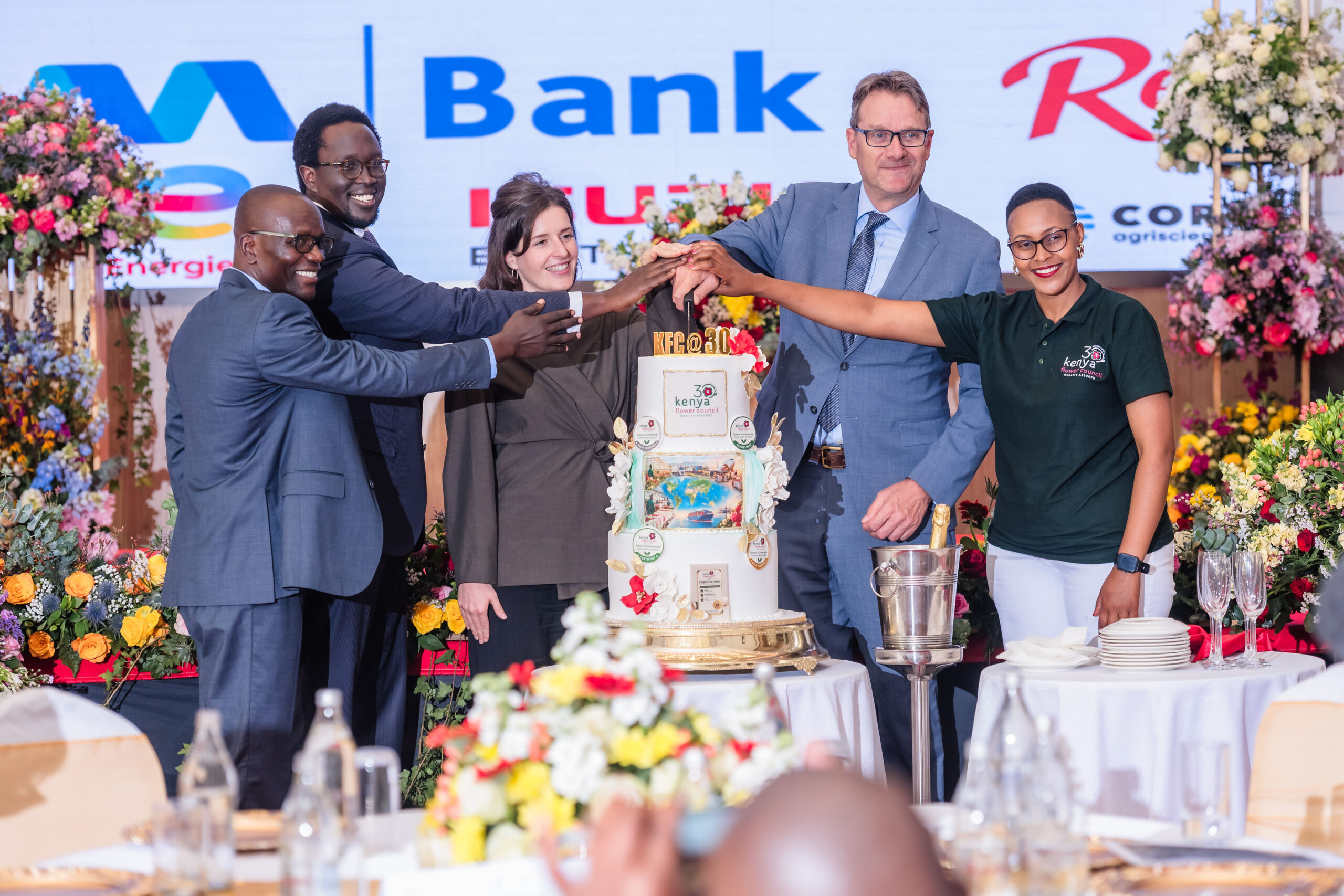
The KFC@30 anniversary is therefore more than a celebration of longevity. It is an opportunity to look back at how Kenya’s flower industry has changed — and the people, businesses and institutions that have helped drive that transformation.
From its original five members, KFC has grown to represent more than 140 producer members, alongside associate members across the wider value chain. Its mandate has also evolved as the industry itself has become more sophisticated, globally connected and demanding.
The challenges facing growers in 1996 were different from those confronting the sector today. Market access, sanitary and phytosanitary requirements, sustainability, labour standards, environmental responsibility, freight, taxation, energy costs and increasingly complex international regulations have all become part of the business of growing and exporting flowers.
KFC has consequently developed beyond its original advocacy role. Its work today spans advocacy and partnerships, compliance, data management, trade facilitation, innovation, communication and capacity building, while continuing to promote the Kenyan flower brand in international markets.
Perhaps one of the most significant milestones in that journey has been the evolution of the KFC Flowers and Ornamentals Sustainability Standard, popularly known as KFC Silver or FOSS. What began with the Council’s Code of Practice in 1996 has evolved into a sustainability framework covering social, environmental and good agricultural practice requirements. In an industry where access to international markets increasingly depends on credible sustainability credentials, this has become an important part of Kenya’s competitive proposition.
But institutions are ultimately built by people.
That is why KFC@30 is also about the growers who took risks when Kenya’s flower industry was still young; the managers and workers who built farms and export businesses; the scientists, breeders, logistics providers, service companies and regulators who have supported the value chain; and the successive generations of industry leaders who have carried the conversation forward.
The stories being gathered for KFC@30 are therefore not simply stories about an organisation. They are stories about an industry in motion.
They take us from the early days of Kenya’s commercial floriculture to a sector whose flowers reach markets around the world — and into a future where resilience, sustainability, innovation and global competitiveness will matter even more.
Thirty years on, KFC’s original idea remains relevant: an industry that wants to compete globally needs a strong collective voice.
The next chapter is already being written.
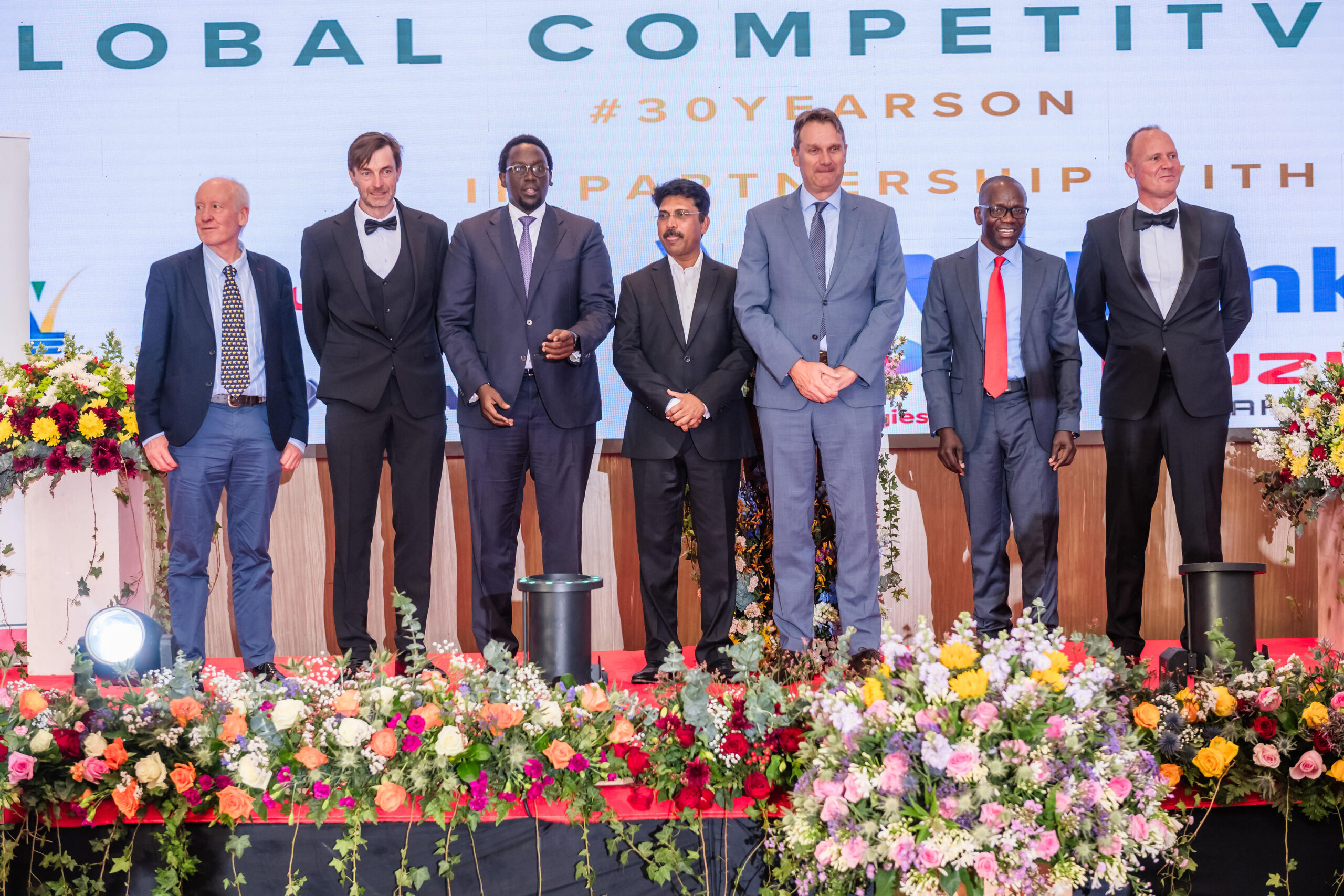
Three decades later, that idea has grown into one of the most influential institutions in Kenya’s horticulture industry. The KFC@30 anniversary is therefore more than a celebration of longevity. It is an opportunity to look back at how Kenya’s flower industry has changed — and the people, businesses and institutions that have helped drive that transformation.
From its original five members, KFC has grown to represent more than 140 producer members, alongside associate members across the wider value chain. Its mandate has also evolved as the industry itself has become more sophisticated, globally connected and demanding.
The challenges facing growers in 1996 were different from those confronting the sector today. Market access, sanitary and phytosanitary requirements, sustainability, labour standards, environmental responsibility, freight, taxation, energy costs and increasingly complex international regulations have all become part of the business of growing and exporting flowers.
KFC has consequently developed beyond its original advocacy role. Its work today spans advocacy and partnerships, compliance, data management, trade facilitation, innovation, communication and capacity building, while continuing to promote the Kenyan flower brand in international markets.
Perhaps one of the most significant milestones in that journey has been the evolution of the KFC Flowers and Ornamentals Sustainability Standard, popularly known as KFC Silver or FOSS. What began with the Council’s Code of Practice in 1996 has evolved into a sustainability framework covering social, environmental and good agricultural practice requirements. In an industry where access to international markets increasingly depends on credible sustainability credentials, this has become an important part of Kenya’s competitive proposition. But institutions are ultimately built by people.
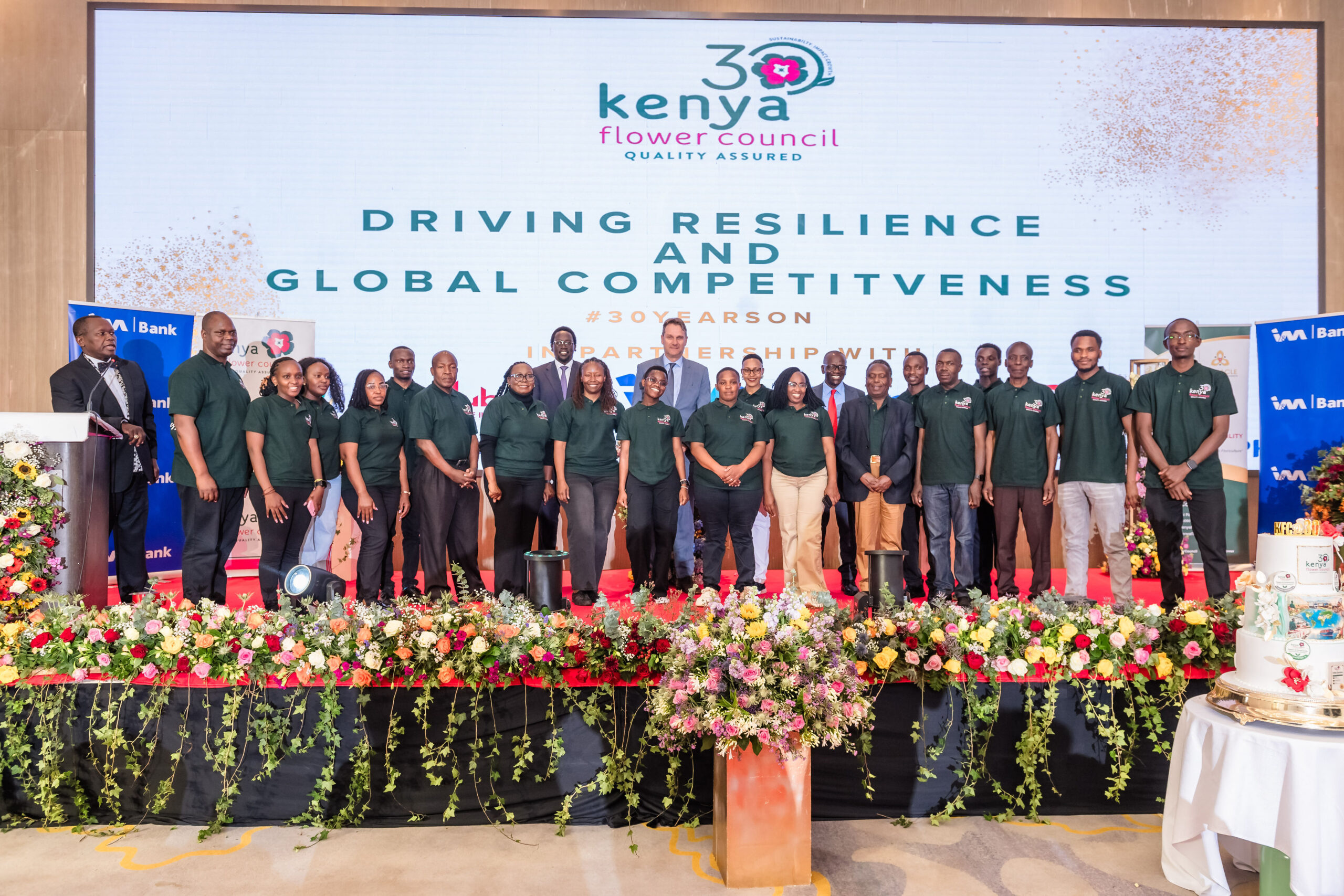
That is why KFC@30 is also about the growers who took risks when Kenya’s flower industry was still young; the managers and workers who built farms and export businesses; the scientists, breeders, logistics providers, service companies and regulators who have supported the value chain; and the successive generations of industry leaders who have carried the conversation forward.
The stories being gathered for KFC@30 are therefore not simply stories about an organisation. They are stories about an industry in motion. They take us from the early days of Kenya’s commercial floriculture to a sector whose flowers reach markets around the world — and into a future where resilience, sustainability, innovation and global competitiveness will matter even more. Thirty years on, KFC’s original idea remains relevant: an industry that wants to compete globally needs a strong collective voice.
The next chapter is already being written.