


Kenya aviation strike called off as horticultural associations warns of prolonged cargo losses
Kenya’s fresh produce export industry is counting losses after the Kenya Aviation Workers Union (KAWU) called off its strike, with industry bodies welcoming the resumption of normal airport operations but warning that the impact of the two-day disruption will continue to be felt across the perishable export supply chain.
The Kenya Flower Council (KFC) and the Fresh Produce Consortium of Kenya (FPC Kenya) have both welcomed the Return-to-Work Agreement that brought the industrial action to an end on September 1, 2026.
The agreement was reached between KAWU, the Kenya Airports Authority (KAA), the Kenya Civil Aviation Authority (KCAA), Jambojet Limited and the Government.However, KFC has warned that the end of the strike does not immediately resolve the crisis facing exporters, particularly those handling flowers and other highly perishable products.

About 1,000 tonnes of cargo stranded
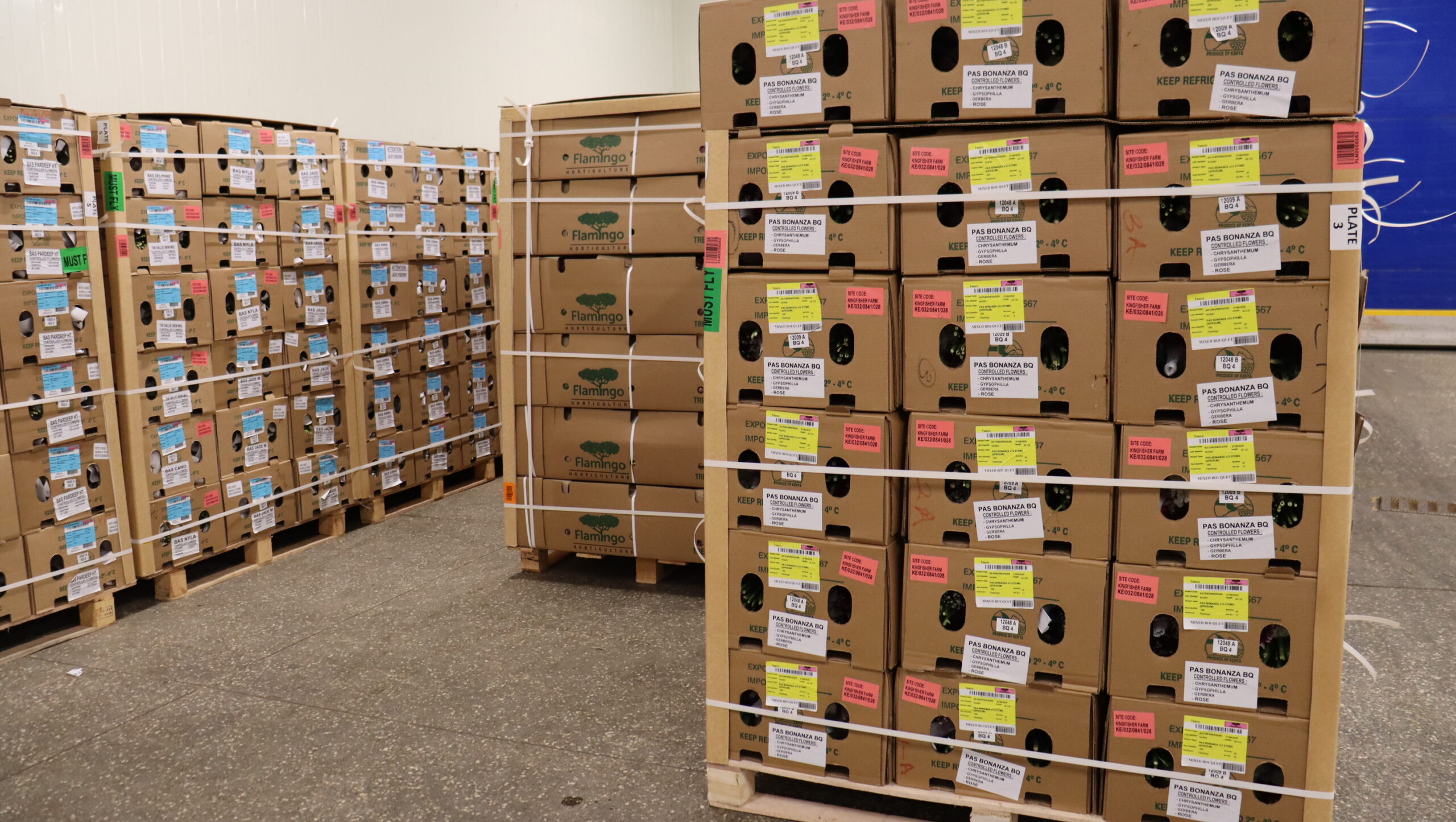
According to KFC, industry estimates indicate that approximately 1,000 tonnes of cargo remained caught in the airport backlog, with additional volumes of flowers and other fresh produce held at farms and packhouses after the normal export chain was interrupted. The Council said clearing the backlog would take several days and that some orders affected during the disruption would not be recovered.
“Flowers are not conventional cargo that can simply wait for the next available aircraft,” KFC said, noting that flowers are harvested, graded, packed and transported according to specific flight schedules, auction windows, retailer programmes and customer delivery dates. Every additional hour of delay can reduce vase life and shelf life, compromise quality, result in missed connecting flights and increase cold-chain and handling costs.
KFC Chief Executive Officer Clement Tulezi said the disruption had come at a difficult time for growers and exporters already facing high airfreight charges, rising production and compliance costs and intense competition in international markets. “We welcome the agreement and the resumption of normal operations, but we must also be candid about what has happened. This strike was avoidable,” Tulezi said.He added that Kenya could not afford repeated disruptions to its principal international gateway, warning that international buyers have alternative sources when Kenyan suppliers fail to deliver within agreed market windows.

FPC Kenya welcomes return to normal operations
The Fresh Produce Consortium of Kenya (FPC Kenya) also welcomed the full resumption of air traffic control services and the return to normal operations across Kenya’s airports. In a statement dated September 1, FPC Kenya said it appreciated the Government and aviation stakeholders for resolving the issues that had disrupted flight and cargo operations and for working to restore the smooth movement of passengers and freight. FPC Kenya President and CEO Okisegere Ojepat said the fresh produce industry depends heavily on reliability, speed and predictability.
“As flight schedules progressively return to normal, FPC Kenya remains fully committed to working with Government, aviation authorities, airlines and other partners to ensure Kenya maintains a friendly, efficient and predictable business environment for fresh produce trade,” the consortium said. The organisation acknowledged that the disruption had affected exporters, producers, workers and international buyers.
Its immediate focus, it said, would be on restoring confidence, strengthening coordination and ensuring that Kenya’s fresh produce supply chains remain dependable. “FPC Kenya assures our global trade partners that our commitment remains firm. We will continue working with all stakeholders to safeguard the efficiency and competitiveness of Kenya’s fresh produce industry and ensure that our products reach markets reliably and on time,” Ojepat said.

Kenya’s global market reputation at risk
KFC said the disruption should be viewed beyond an aviation labour dispute because of its implications for Kenya’s export competitiveness, foreign-exchange earnings, employment and livelihoods. The Council cited 2025 statistics showing that Kenya exported approximately 130,600 tonnes of cut flowers worth KSh81.3 billion, while total fresh horticultural exports reached approximately 457,900 tonnes valued at KSh143.8 billion.
Flowers accounted for about 62 per cent of the value of Kenya’s horticultural exports in 2025.KFC said the international flower market continued operating during the disruption, with auctions, retailers, importers and consumers continuing with their programmes while competing flower-producing countries remained ready to supply. “When Kenya cannot deliver, buyers have alternatives,” the Council said. It warned that repeated disruptions at Jomo Kenyatta International Airport (JKIA) could damage Kenya’s reputation as a reliable global supplier, even as growers continue investing in quality, technology, sustainability, certification and cold-chain infrastructure.

KFC calls for aviation contingency plan
While recognising workers’ constitutional and labour rights, KFC called on Government, KAA, KCAA, aviation employers and KAWU to ensure the commitments contained in the Return-to-Work Agreement are fully implemented. The Council also proposed the establishment of a National Aviation Contingency Protocol for Perishable Exports.
Such a framework, KFC said, should provide for priority cargo handling, cold-chain continuity, cargo clearance, aircraft servicing, alternative routing, backlog management and real-time communication with exporters in the event of future labour or operational disruptions. It also called for a permanent aviation-sector industrial relations mechanism bringing together Government agencies, airport authorities, airlines, labour representatives and key aviation users to identify and resolve disputes before they escalate into national trade disruptions.
Immediate focus shifts to clearing backlog
For now, the priority for the horticultural industry is clearing cargo that accumulated during the strike. KFC has called on airlines, KAA, cargo handlers, freight forwarders, KCAA and relevant Government agencies to work jointly with exporters to clear the backlog as quickly and safely as possible, with the most time-sensitive perishables given priority.
FPC Kenya similarly stressed the importance of restoring confidence and strengthening coordination across the aviation and fresh produce value chain. With normal flight operations now resuming, exporters and growers will be watching closely as the industry works to clear delayed shipments and restore regular supply to international markets.