

The Fertilizer Association of Kenya (FAK), the Organic Fertilizers and Input Manufacturers Association of Kenya (OFIMAK) and the Kenya Agricultural and Livestock Research Organization (KALRO) have stepped up collaboration to improve soil health and promote effective fertilizer use among Kenyan farmers.
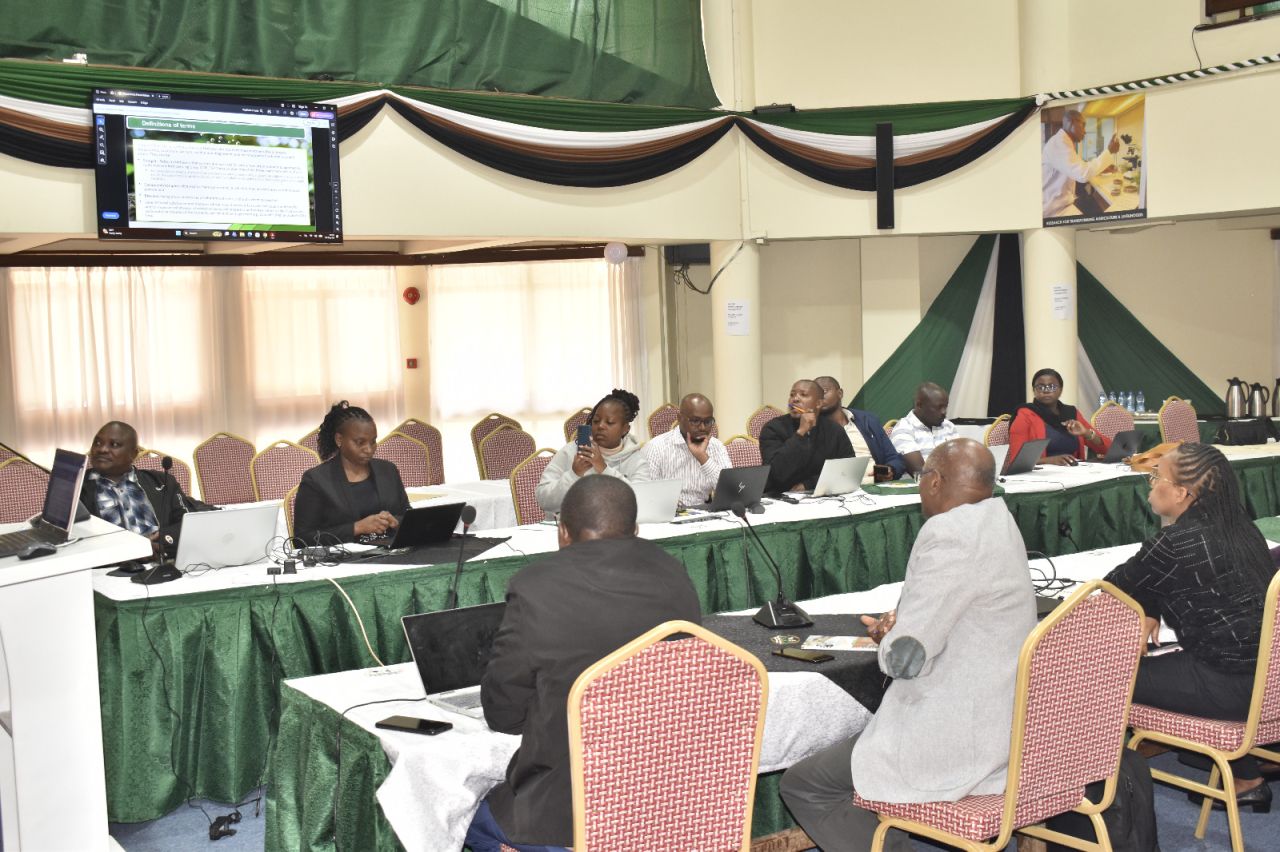
The three institutions held a technical engagement on September 23, 2026, at KALRO Headquarters to review the draft Soil Health Management and Fertilizer Use Training Manual, a practical resource designed to guide farmers, agricultural extension officers and other stakeholders on sustainable soil management and crop nutrition.
The meeting focused on strengthening the manual’s scientific and technical content to ensure it provides clear, consistent and practical guidance on soil fertility, balanced crop nutrition and efficient fertilizer application to improve agricultural productivity. Key areas reviewed included soil health and fertility management, crop nutrition, organic and integrated soil fertility management, soil acidity and nutrient availability, as well as fertilizer quality assurance.
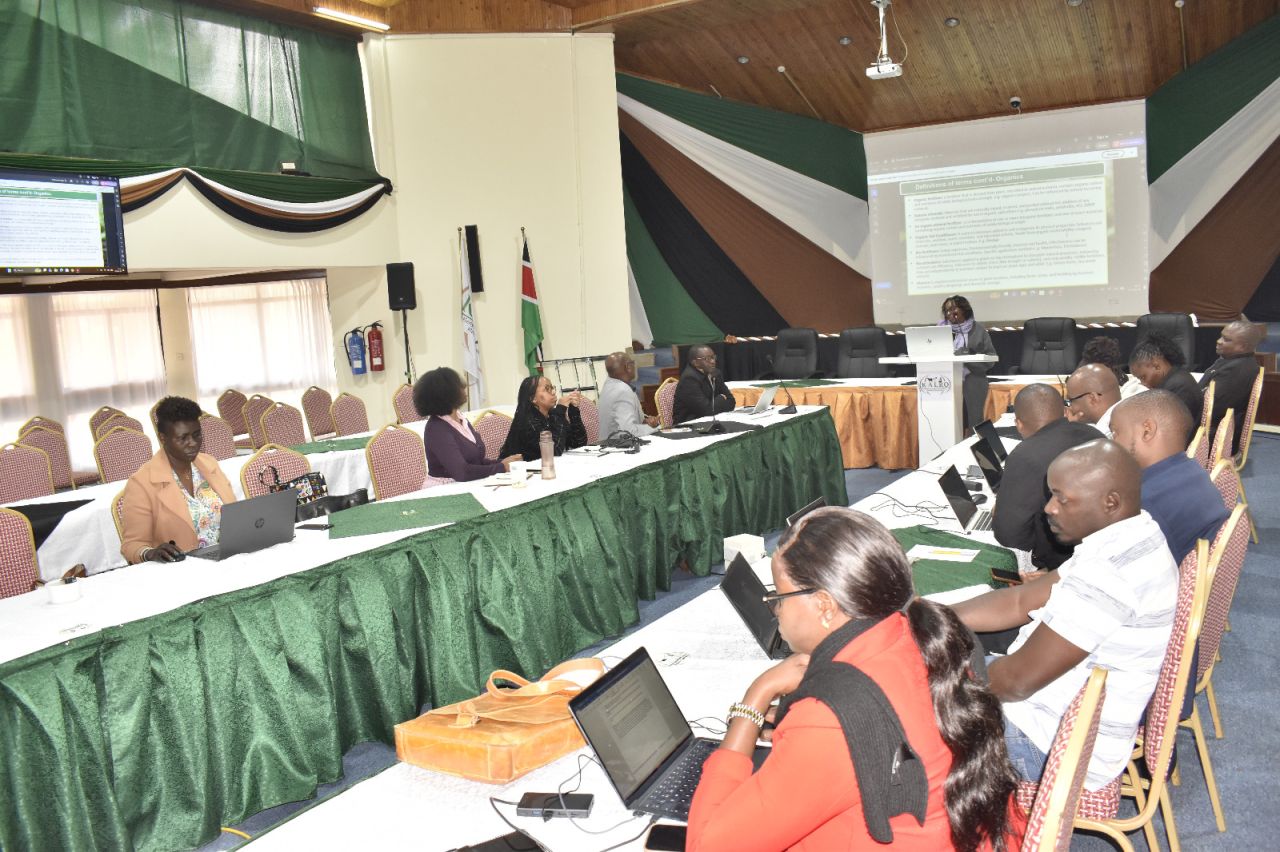
The discussions emphasised the importance of understanding the physical, chemical and biological properties of soil in maintaining long-term productivity. Participants also highlighted the need to promote the right fertilizer source, rate, timing and placement to improve nutrient-use efficiency, crop performance and farm profitability.
The engagement further underscored the role of soil testing and appropriate interventions in addressing soil acidity and nutrient deficiencies, while integrating organic and conventional soil fertility management approaches to support sustainable production. In addition to reviewing the training manual, FAK presented its upcoming digital fertilizer traceability initiative, funded by AGRA under the Sustainably Growing Africa’s Food Systems programme. The initiative aims to strengthen accountability and traceability across the fertilizer value chain while helping farmers access genuine and quality-assured fertilizer products.
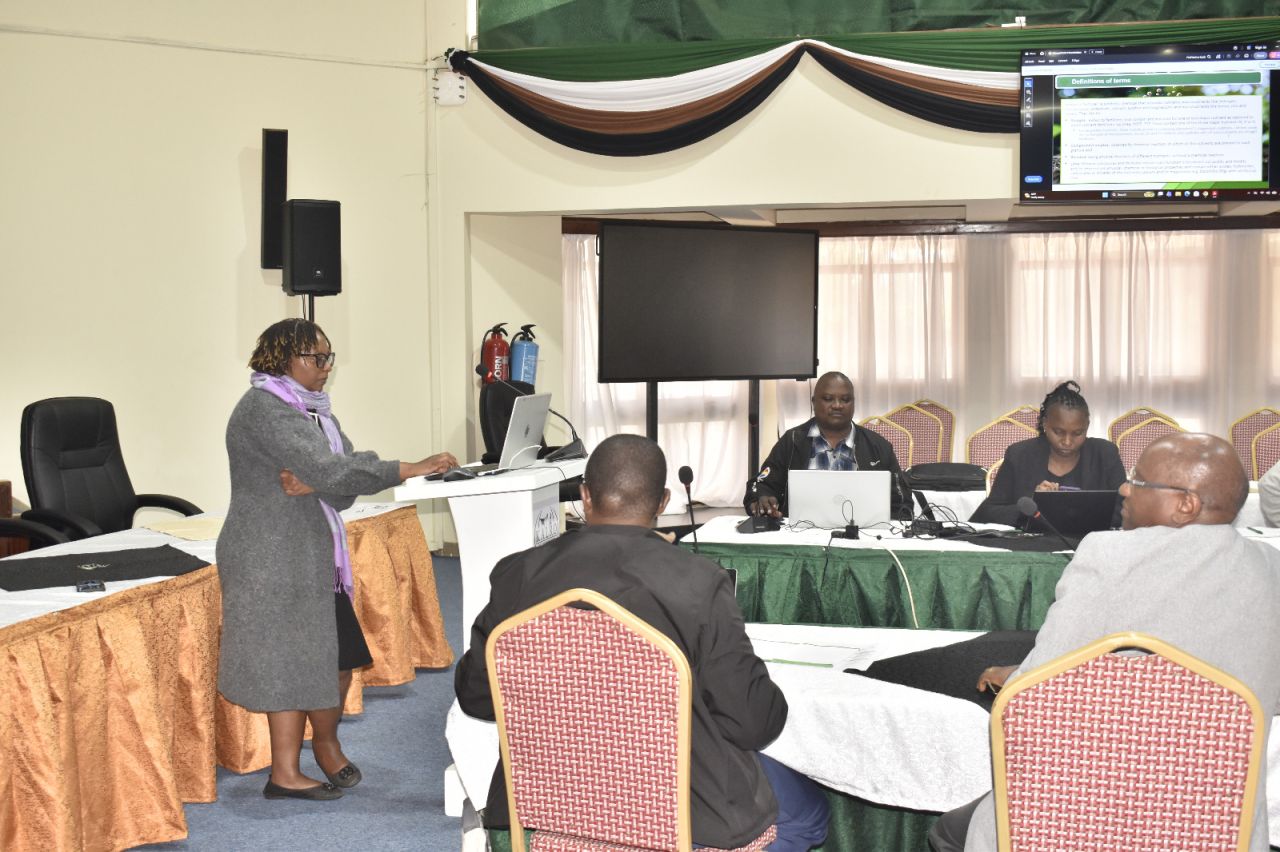
The collaboration brings together industry expertise, research and technical knowledge to advance sustainable soil management, improve fertilizer use and support agricultural productivity in Kenya. The proposed training manual is expected to serve as an important reference for farmers and extension workers, promoting informed fertilizer decisions and sustainable soil fertility practices across the country’s agricultural sector.