

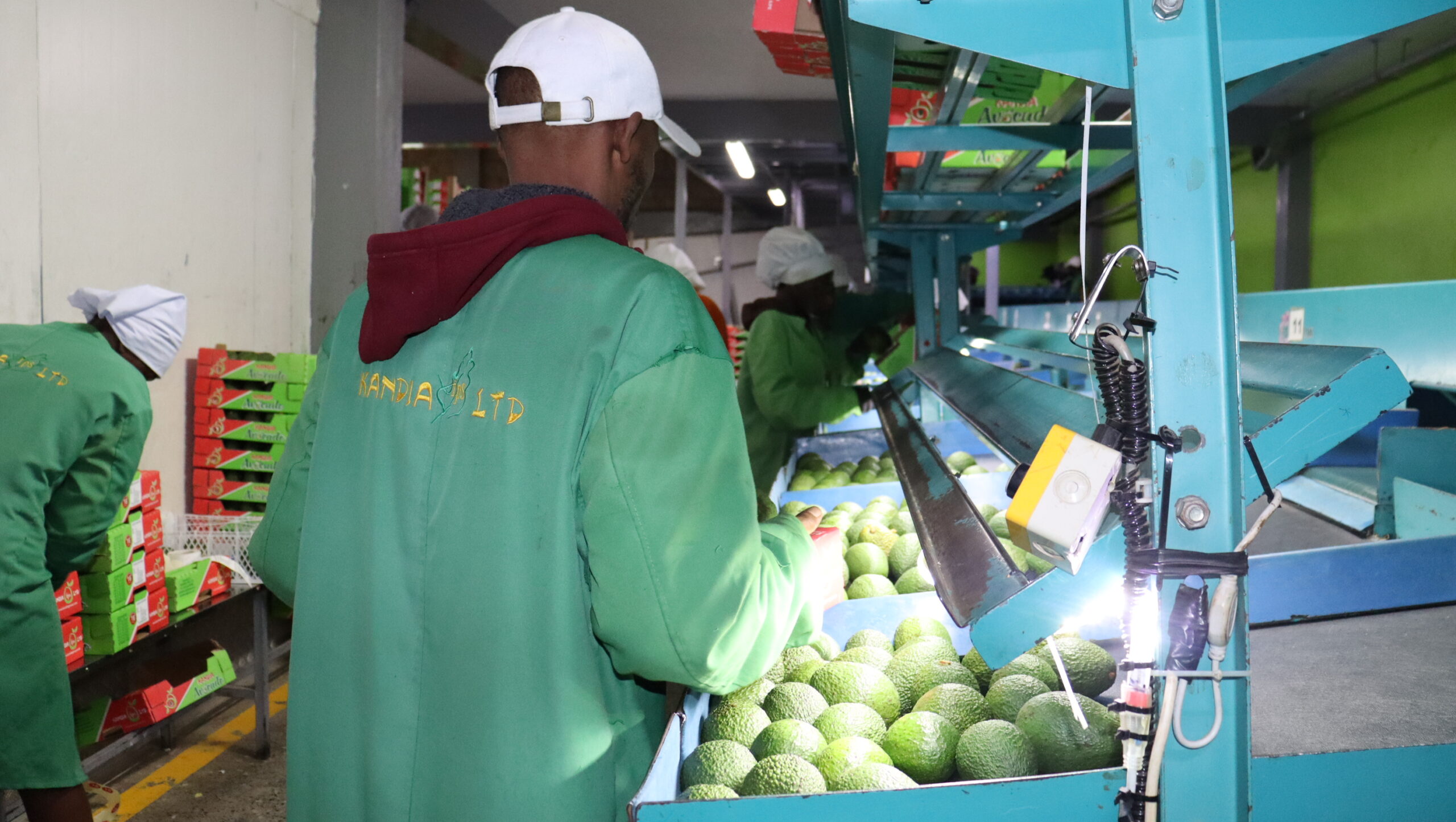

East Africa avocado exports shift as Tanzania and Ethiopia sustain supply into October
East Africa’s avocado export market is entering a transitional period, with Tanzania and Ethiopia sustaining regional supply as Kenya’s main export season winds down, providing buyers with alternative sourcing opportunities across international markets.
The mid-September 2026 outlook points to staggered availability across the region, with Tanzania approaching the end of its main season, Ethiopia increasing export volumes and Kenya tightening shipments to protect fruit quality. Despite variations in supply, demand for East African avocados remains firm across traditional European and Middle Eastern markets, alongside growing opportunities in Asia.
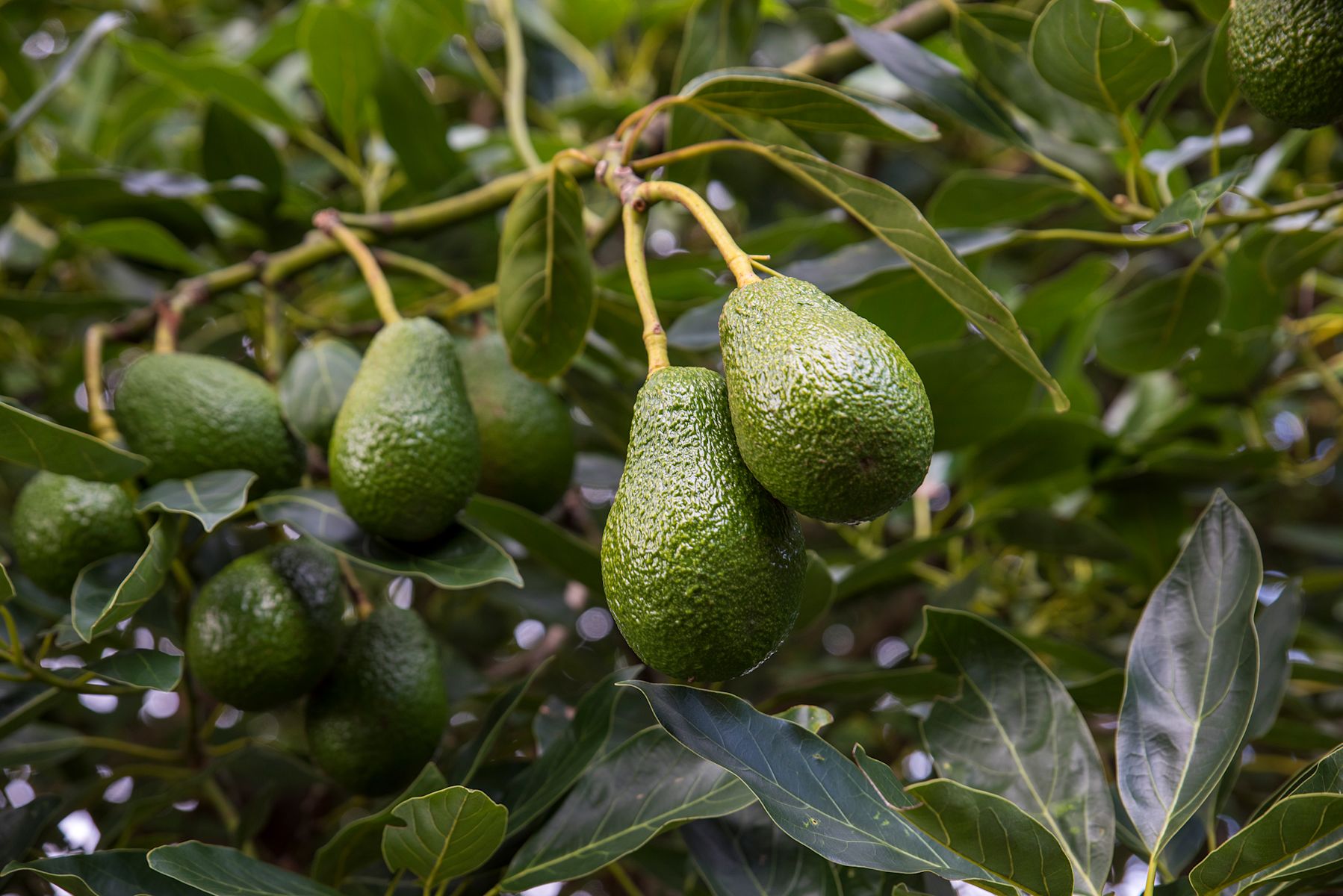
Tanzania faces tightening late-season supplies
Tanzania’s main avocado season is nearing its conclusion, with the harvest expected to wind down around October. However, strong demand is continuing to outpace the availability of export-grade fruit, leaving some orders only partially fulfilled as stocks tighten and dry matter levels rise. Most remaining shipments are being transported by air in smaller consignments of between five and 10 tonnes, rather than in sea containers, as exporters manage declining volumes and quality requirements.
India remains the dominant destination for late-season Tanzanian avocados, accounting for approximately 90% of recent export volumes, supported by duty-free market access. Smaller consignments are also reaching China. Late-season prices have been reported at between US$8.30 and US$9 per 4kg carton, CIF Nhava Sheva, India, reflecting continued demand as available supplies decline. Meanwhile, early Fuerte avocado volumes for the next production cycle are already emerging in some growing areas, offering a gradual transition into the next season and helping maintain continuity of supply.
Ethiopia expands avocado export opportunities
Ethiopia is strengthening its position in the regional avocado trade as its July–September harvest progresses, with increasing volumes creating opportunities for international buyers seeking alternative origins. The timing of Ethiopia’s production coincides with the winding down of major Southern Hemisphere supplies, particularly from Peru, creating an opportunity for Ethiopian exporters to serve European and Middle Eastern markets.
Export activity is gaining momentum, with fresh avocados and avocado oil contributing to the country’s expanding export portfolio. The sector is also gradually increasing its use of sea freight, supported by new export guidelines and investments in cold-chain infrastructure. Air freight, however, remains important for certain consignments and markets. Despite the growing opportunities, commercial arrangements and payment terms remain important considerations for buyers and exporters, influencing transaction reliability and the pace at which trade expands.
Kenya tightens export controls as season winds down

Kenya’s main avocado export season is also approaching its end, with authorities announcing an early halt to sea shipments from October 20, 2026, to safeguard fruit quality and protect the country’s reputation in international markets. The decision follows surveys indicating limited availability of mature fruit suitable for the longer transit periods associated with sea freight.
Air shipments of key varieties, including Hass, Fuerte, Pinkerton and Jumbo, are expected to continue under strict inspection requirements to ensure that exported fruit meets maturity and quality standards. At the same time, competition between fresh avocado exporters and the country’s expanding avocado oil processing sector continues to influence fruit availability and farm-gate prices. The growth of processing capacity is creating additional demand for raw fruit, adding another dimension to competition for supplies during the closing stages of the export season.
Staggered regional supply supports market continuity
The broader East African avocado market is benefiting from complementary production windows, with Tanzania and Ethiopia providing late-season and peak-harvest supplies as Kenya transitions out of its main export campaign.
This staggered availability offers importers greater flexibility in sourcing avocados from the region, particularly as demand remains firm in Europe and the Middle East and continues to expand in Asian markets. For international buyers, key considerations include consistent fruit quality, maturity standards, dependable logistics and suitable commercial terms, particularly as exporters balance air and sea freight options against changing volumes.
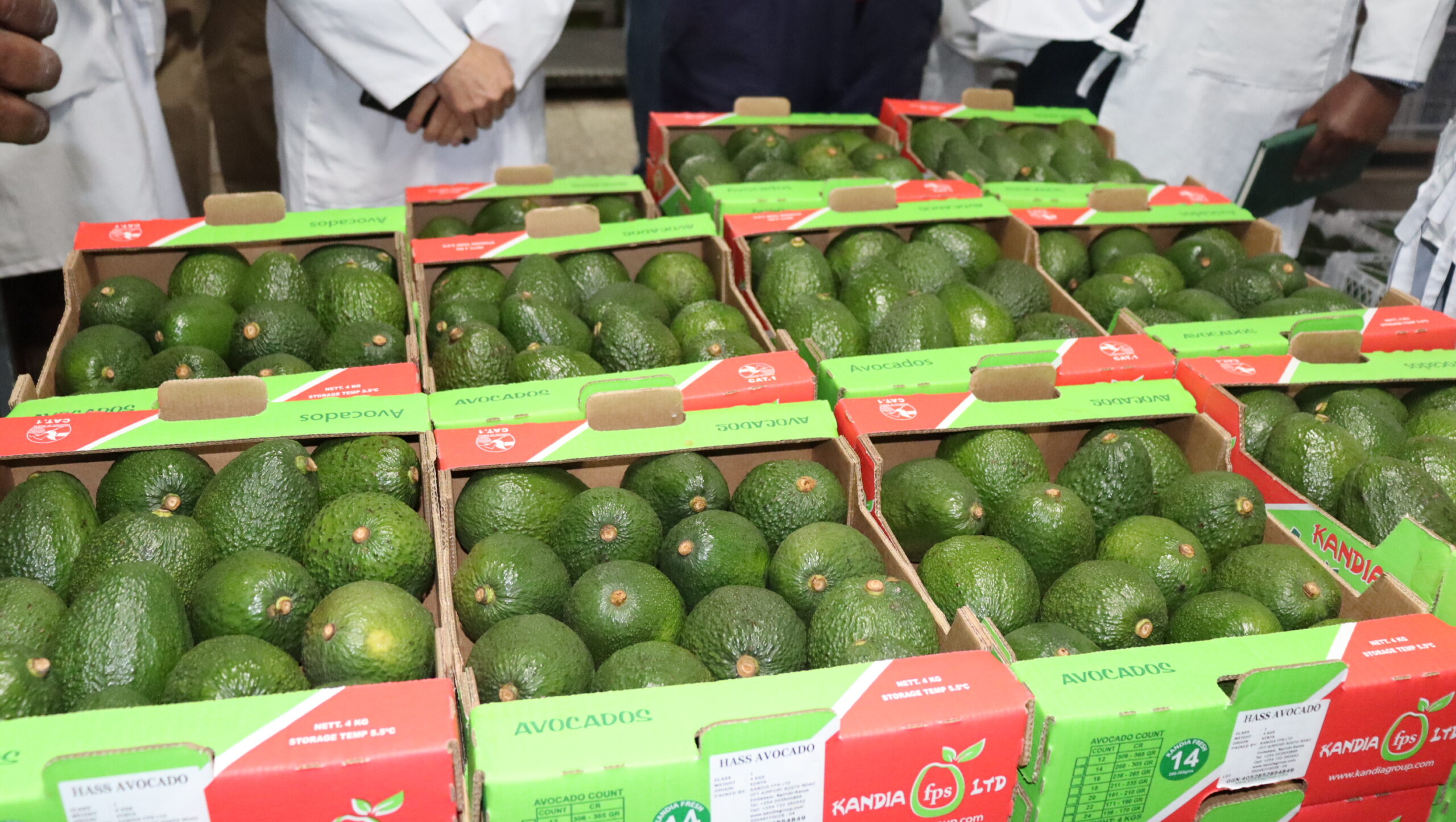
As the market moves into October, early-season production from Tanzania and continuing Ethiopian supplies are expected to help maintain the availability of East African avocados for international buyers. The evolving supply patterns also underline the importance of coordinated production planning, improved cold-chain infrastructure and quality management in strengthening East Africa’s competitiveness in the global avocado trade.