


Ethiopia moves to strengthen agrochemical container stewardship
Ethiopia’s horticulture industry is stepping up efforts to address the responsible management of empty agrochemical containers, as industry players, government agencies and other stakeholders seek to establish a practical and sustainable stewardship system for the country’s export-oriented horticulture value chain. The initiative was at the centre of a day-long Agrochemical Container Management Workshop convened by the Ethiopian Horticulture Producer Exporters Association (EHPEA) in collaboration with CropLife Ethiopia
The workshop brought together EHPEA member farms, government institutions, agrochemical suppliers, recyclers, certification bodies and development partners to examine the current challenges surrounding empty agrochemical containers and explore solutions suited to Ethiopia’s horticultural production systems. The initiative is designed to help EHPEA member farms strengthen compliance with environmental regulations, responsible-use requirements, certification standards and sustainability expectations, while supporting continued access to international markets.
Beyond addressing immediate challenges, the partners are seeking to generate practical evidence and lessons that can inform broader agrochemical container stewardship initiatives across Ethiopia.
From compliance to practical stewardship
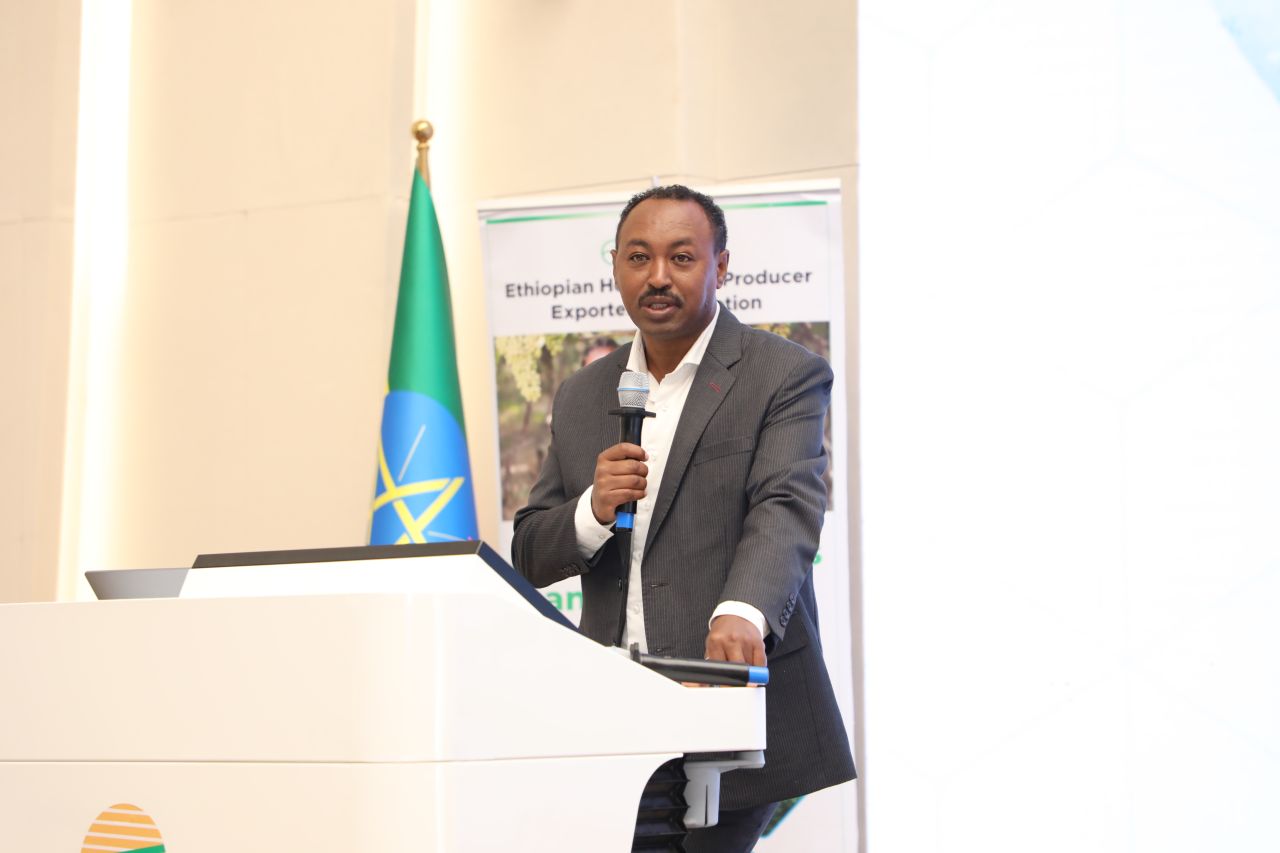
Opening the workshop, Tewodros Zewdie, Executive Director of EHPEA, said responsible agrochemical management is already embedded in the association’s Code of Practice and that the initiative would reinforce the sector’s commitment to environmental stewardship and social responsibility. He stressed that proper handling of empty pesticide containers must become a standard practice across farms. “Empty agrochemical containers must be triple-rinsed immediately after use. The agrochemical containers must not be reused for food or water,” Zewdie said.
He further called for containers to be rendered unusable after cleaning and channelled through authorised systems. “It is important to crush after triple-rinsing and the containers should be taken to an approved disposal or recycling system,” he noted. The emphasis on triple-rinsing, crushing and approved disposal reflects the need to prevent containers from being reused or improperly discarded, practices that can pose risks to people, livestock and the environment.
EPA backs industry-led initiative
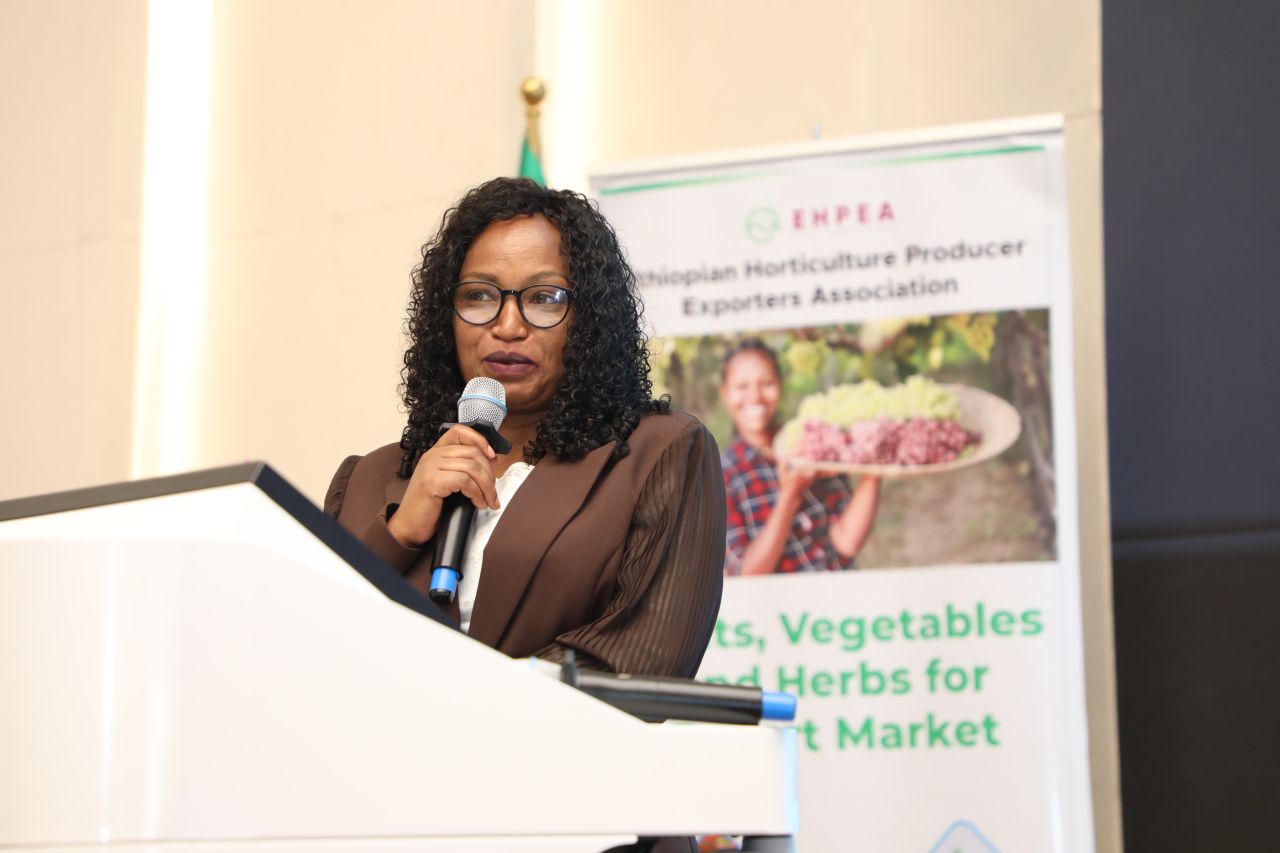
In her keynote address, H.E. Ferenesh Mekuria, Deputy Director General of the Environmental Protection Authority (EPA), welcomed the initiative, describing it as timely and aligned with Ethiopia’s wider environmental priorities. She linked the workshop to the ongoing Clean Ethiopia Campaign, which seeks to build nationwide collective action around environmental protection and promote a cleaner, healthier and greener Ethiopia. Mekuria noted that strengthening agrochemical container management would contribute to improving environmentally friendly and socially responsible operations within the horticulture sector. She also highlighted the importance of the subsector to Ethiopia’s economy, particularly through its contribution to foreign-exchange earnings and employment creation.
Learning from global experience
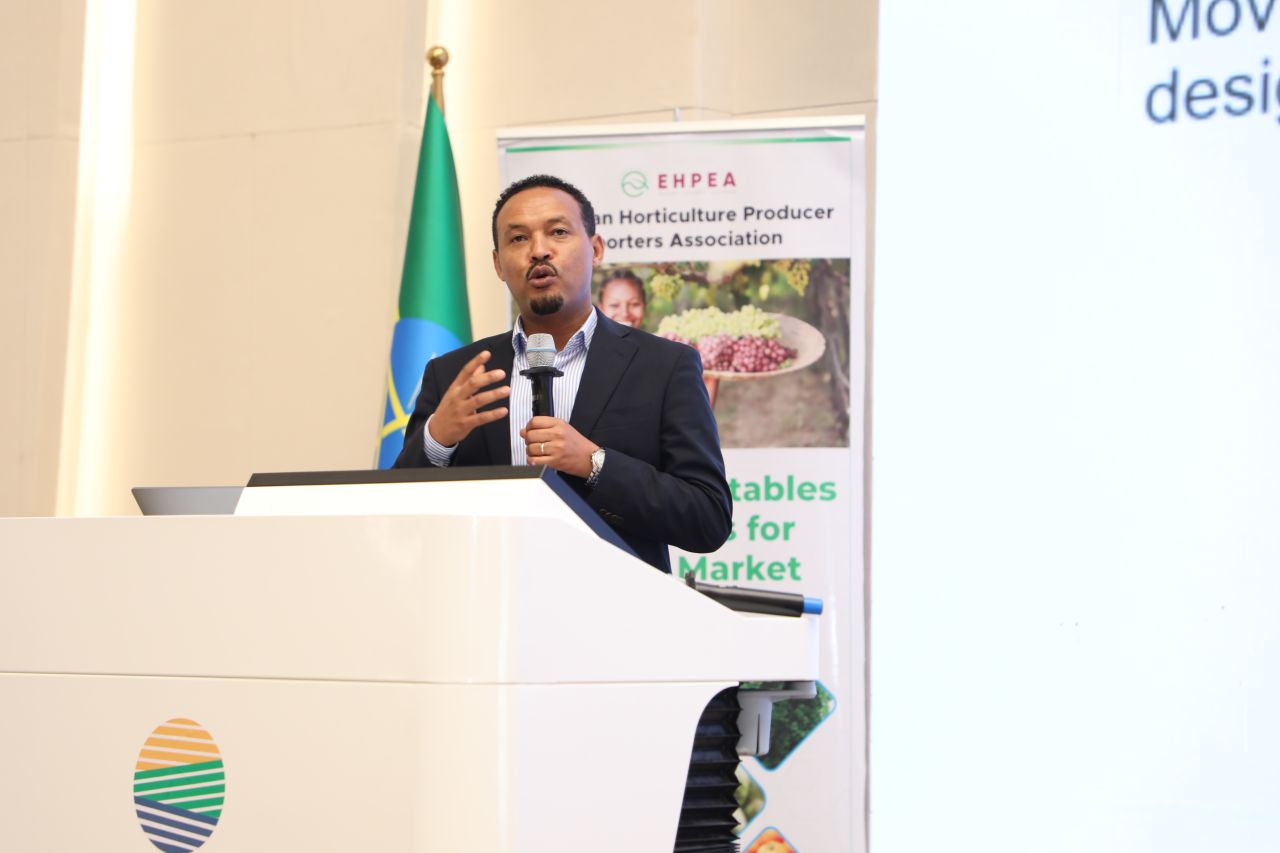
The workshop provided participants with an opportunity to assess Ethiopia’s existing container management practices while drawing lessons from international approaches. Presentations covered a broad range of issues, including Ethiopia’s environmental legal frameworks and their implementation, agrochemical container management within the horticulture sector, international best practices and sustainable container stewardship models.
Participants also examined the current situation regarding the misuse of empty pesticide containers, an issue that remains a concern where containers are improperly discarded or diverted for unintended uses. Other discussions focused on practical stewardship models and industry-led solutions, with participants exploring how responsibilities can be shared among growers, agrochemical suppliers, government agencies, recyclers and other actors across the value chain.
Building a system that works for growers
A key focus of the workshop was how to move from recommendations and compliance requirements to a system that can work practically at farm level. The participants engaged in discussions on possible follow-up mechanisms, implementation approaches and the milestones required to pilot a container stewardship model within the horticulture sector.
The proposed approach is intended to provide farmers with clearer procedures for handling containers from the point of use through collection, treatment and final disposal or recycling. For an export-oriented industry operating under increasingly stringent environmental and sustainability requirements in international markets, establishing a credible container management system could also strengthen the sector’s ability to demonstrate responsible production.
Towards a collaborative model
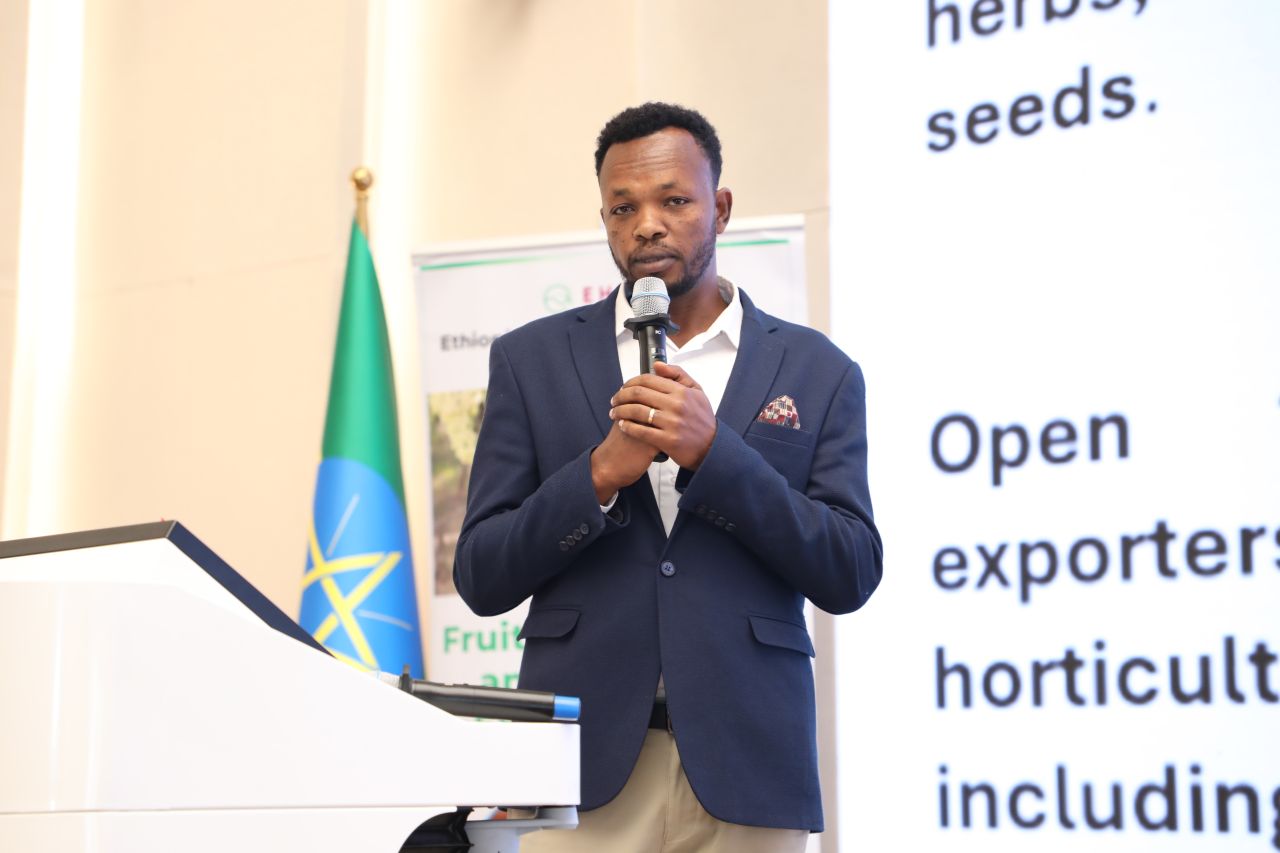
The workshop underscored the fact that effective agrochemical container management cannot be addressed by growers alone. It requires cooperation among producers, agrochemical companies, regulators, recyclers, certification organisations and development partners, with each player contributing to a system that is practical, traceable and environmentally sound.
Through the collaboration between EHPEA and CropLife Ethiopia, the horticulture sector is now seeking to turn these discussions into a pilot model that can generate evidence, identify gaps and demonstrate what works in the Ethiopian context. With sustainability and responsible production becoming increasingly important in global horticultural markets, the initiative could provide an important foundation for strengthening environmental performance across Ethiopia’s export horticulture value chain.
The workshop therefore marked not simply a discussion on what should happen to empty agrochemical containers, but a step towards building a structured stewardship system that protects people and the environment while supporting the long-term competitiveness of Ethiopia’s horticulture industry.