

Conservationist Dr Paula Kahumbu has warned that Kenya risks losing irreplaceable natural forests, arguing that tree-planting campaigns cannot compensate for the destruction of mature indigenous forests and the biodiversity they sustain.
In a passionate call for stronger environmental protection and accountability, Kahumbu questions the emphasis on the number of seedlings planted while natural forests continue to face destruction. She argues that the success of forest restoration should be measured by the survival of trees, the recovery of ecosystems and the protection of biodiversity, rather than planting numbers alone.

Her warning comes as Kenya prepares for Mazingira Day on October 10, with the government targeting 17.2 million trees during Mazingira Week, according to her statement. “We are not gods who can recreate a forest by planting billions of trees. Nature already has a way,” Kahumbu writes, making the case for protecting existing forests and allowing natural regeneration wherever possible.
A forest is more than trees
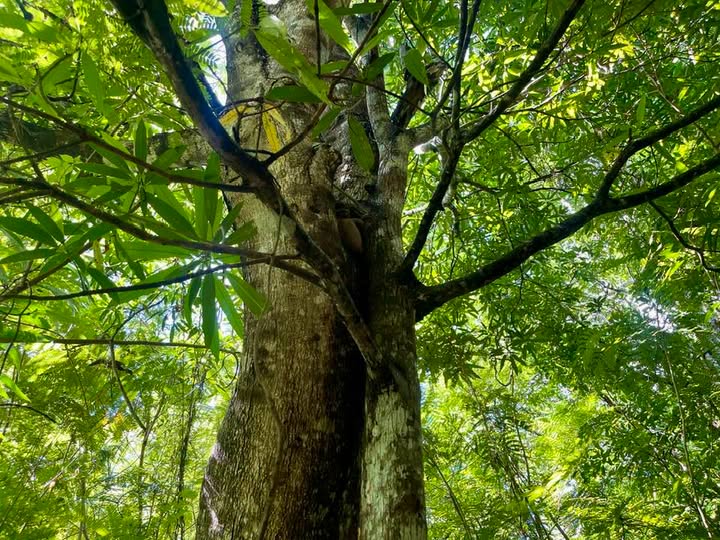
Kahumbu explains that a natural forest is a complex ecosystem comprising trees of different ages and heights, understory vegetation, shrubs, herbs, fungi, insects, birds, mammals and other organisms that depend on one another. Seeds are dispersed naturally by birds, bats, other mammals, wind and rivers. Where conditions are suitable, they germinate and grow, gradually contributing to the regeneration of the forest.
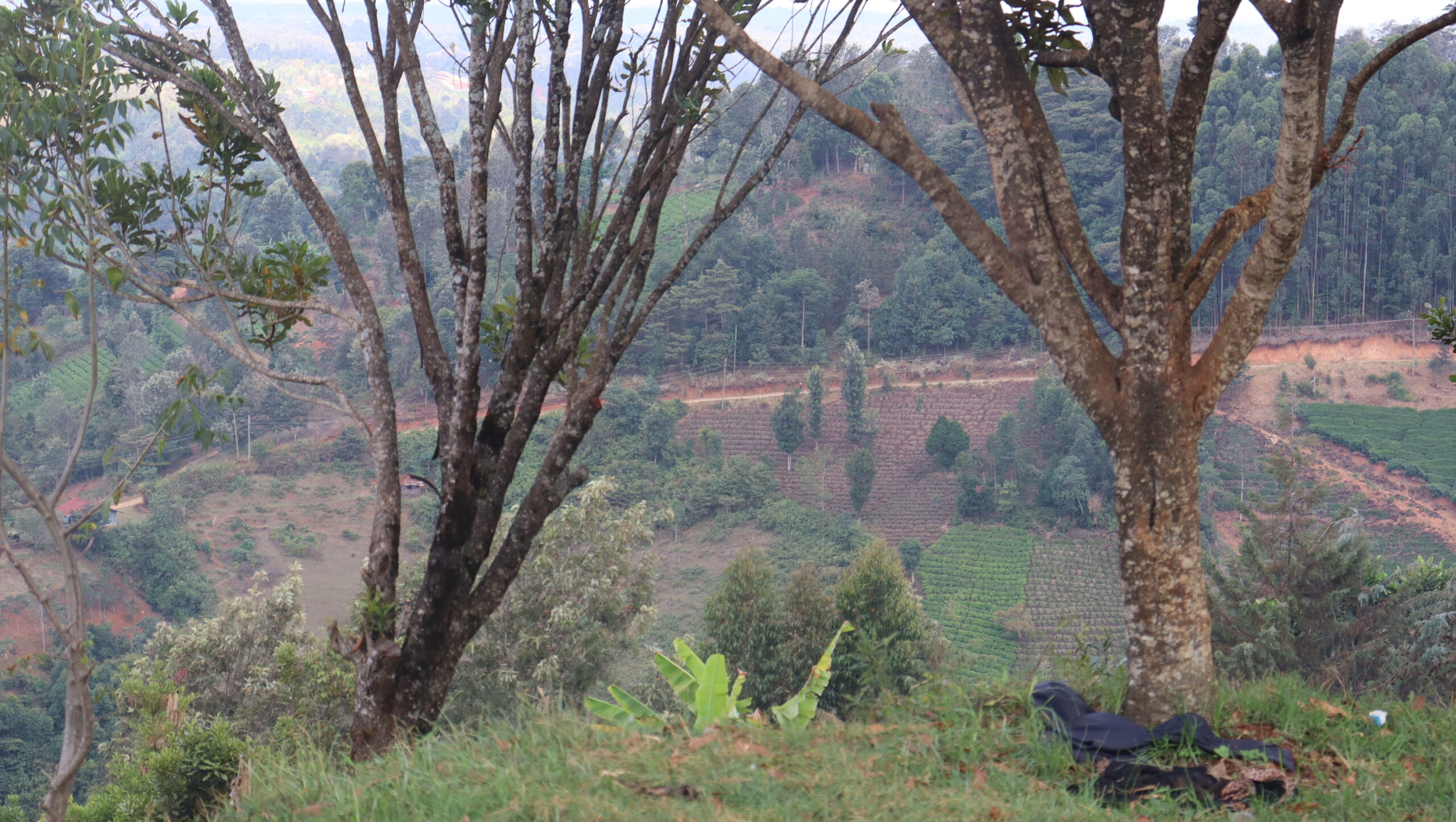
The soil is equally important. Roots, fungi, insects and other organisms help sustain the living systems beneath the forest floor, supporting the wider ecosystem. Destroying a natural forest therefore means more than removing trees. It disrupts habitats, threatens wildlife and exposes soil to moisture loss and erosion from sun, rain and wind. While forests can regenerate, Kahumbu cautions that the structure and species composition of old-growth forests can take decades or, in some cases, centuries to recover. She also distinguishes natural forests from plantations. Although plantations can provide timber and other forest products, she argues that they cannot replace the ecological complexity and biodiversity of mature indigenous forests.
Questioning Kenya’s forest-cover figures
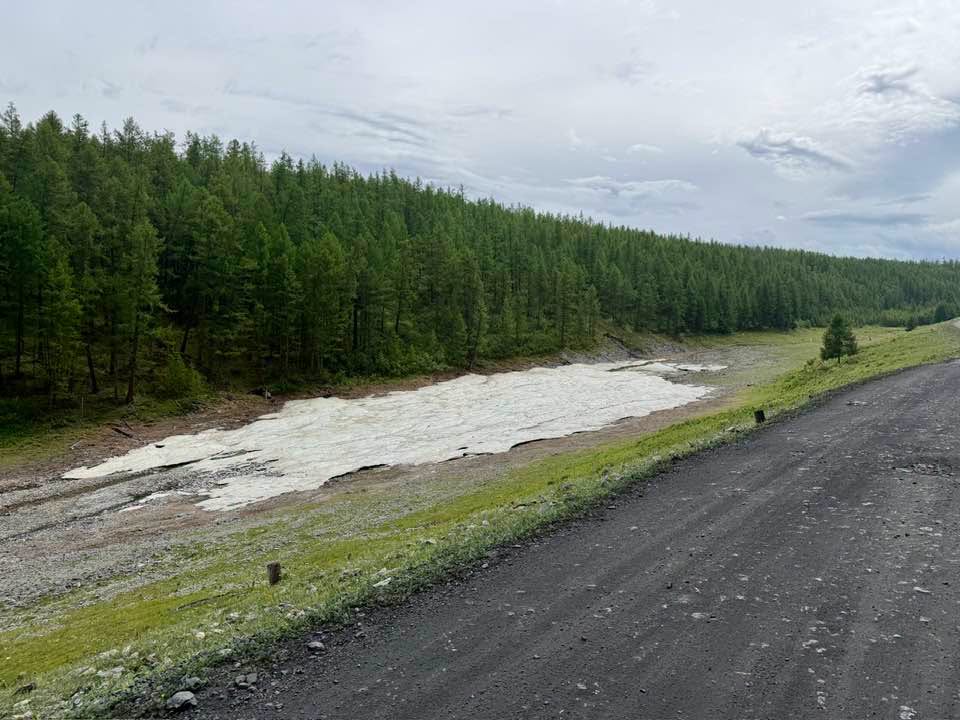
A central concern in Kahumbu’s commentary is how forest recovery is measured and communicated. She argues that the terms tree cover, plantation forests, woodlands and indigenous closed-canopy forests should not be treated as interchangeable. According to her explanation, tree cover can include land with relatively sparse tree cover, while indigenous closed-canopy forests have dense, interconnected tree crowns and support complex ecosystems. Kahumbu states that Kenya’s original closed-canopy forests once covered approximately 12 per cent of the country but have declined to about 1.7 per cent. She contrasts this with government reports of increasing forest cover, arguing that figures may refer to different categories of vegetation.
These figures are presented in her commentary and have not been independently verified for this article. Her concern is that national tree-cover targets can give an incomplete picture of the condition of indigenous forests if the type, quality and ecological health of the forest are not clearly reported. She argues that the country needs transparent reporting that distinguishes tree-growing achievements from the protection and restoration of natural forests.
Calls to stop forest destruction
Kahumbu expresses concern over images circulating online that she says show mature forest trees being felled, with timber trucks waiting to transport the logs. She questions the contradiction between tree-planting campaigns and the destruction of existing forests, describing the situation as deeply troubling for conservation efforts. She also raises concerns about plans for infrastructure developments, including airports and golf courses, within indigenous closed-canopy forests.
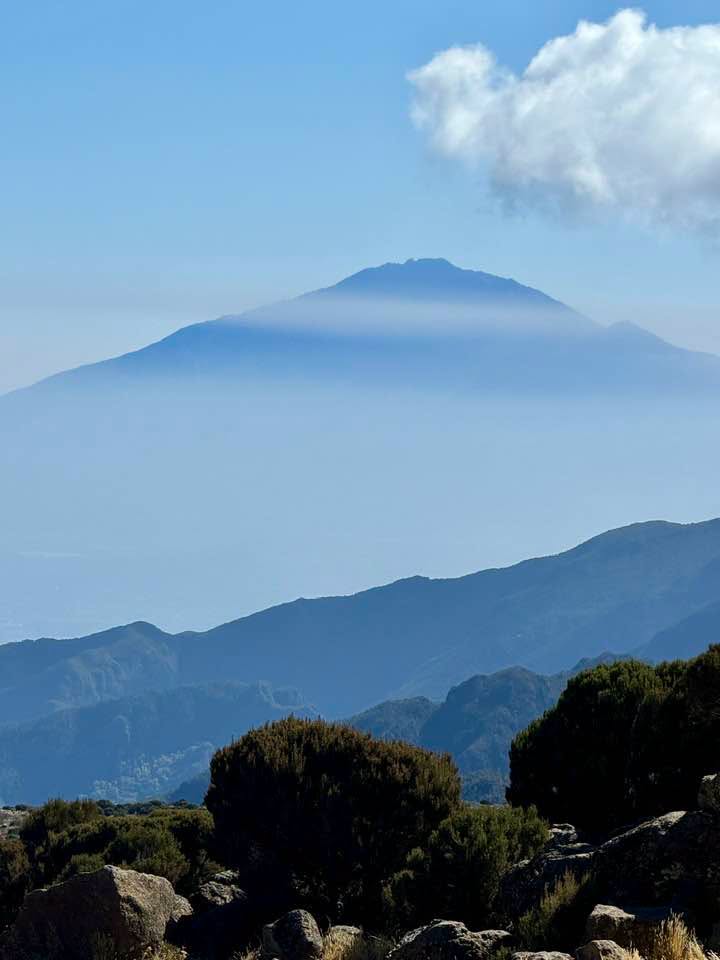
Her position is that natural forests should be treated as a public trust and given the same importance in national planning as transport, energy and water infrastructure. Kahumbu further argues that those responsible for environmental destruction should be held accountable and contribute to repairing the damage. She points to growing public opposition, including petitions, marches and media attention, as evidence of citizens’ concern over decisions affecting Kenya’s natural heritage.
Three priorities for protecting Kenya’s forests
Kahumbu outlines three broad areas of action that she believes should guide the country’s approach to forest protection and restoration.
1. Protect the forests that remain
Her first priority is to stop the destruction of natural forests and strengthen their protection in national planning. She argues against constructing state lodges, airfields or golf courses in natural forests and calls for more forests to be formally protected through public participation, while respecting the longstanding rights and relationships of communities connected to those areas.
Where natural regeneration is possible, she advocates protecting the land and removing the pressures preventing recovery. Where it is not sufficient, restoration should use appropriate native species and receive long-term care.
2. Make restoration public, local and accountable
Kahumbu proposes that county governments publish ten-year forest and tree-growing plans developed through public participation. These plans, she says, should include restoration of indigenous forests, recovery of grabbed forest land and collaboration with communities and civil society organisations. She also calls for annual public reports on plantation forests, including their area, species, age, condition, harvesting and survival.
Well-managed plantations can supply timber, pulp, firewood and construction materials, helping meet demand for forest products while easing pressure on natural forests. She further proposes greater attention to the rehabilitation of quarried land and support for community conservation initiatives across Kenya.
3. Make nature matter in every decision
Kahumbu advocates environmental education that goes beyond identifying tree species to help children understand rivers, wildlife, healthy food, waste management and the importance of protecting their surroundings. She also proposes incentives for businesses, schools, farmers, prisons and other large landowners to restore and care for trees and natural habitats.
Importantly, she wants the government to change how it measures progress. Rather than focusing mainly on the number of seedlings planted, she proposes reporting the area of natural forest protected, the hectares recovering, and the survival of planted trees after one, three and five years.
Other indicators she highlights include river flow, water quality and temperatures in towns, cities, schools and playgrounds. Such measures, she argues, would help Kenyans assess whether restoration efforts are improving the health of the environment.
Plant trees, but protect natural forests first
Kahumbu’s central argument is that Kenya can meet its demand for timber, pulp and fuelwood through properly managed plantations and trees grown on farms, without continuing to sacrifice natural forests. Planting trees remains valuable, but she argues that it should complement—not substitute for—the protection of existing indigenous forests. Her message challenges policymakers, county governments, conservation organisations and citizens to look beyond headline planting figures and focus on long-term ecological recovery.
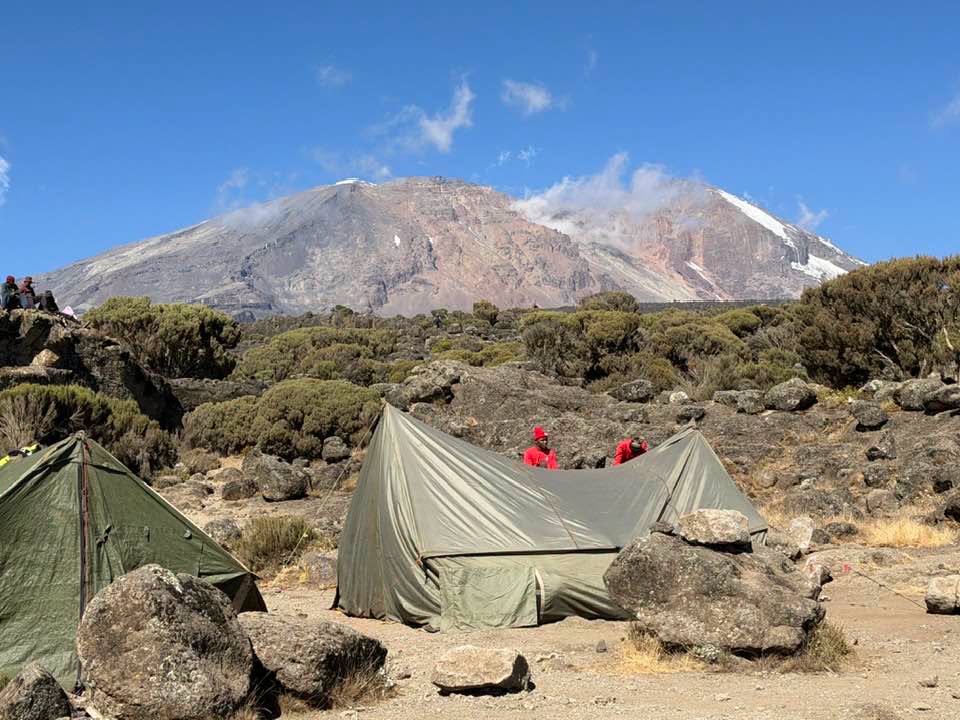
As Kenya marks Mazingira Day, her commentary raises a fundamental question about the country’s environmental priorities: how can the nation celebrate planting millions of trees while failing to protect the natural forests that have taken generations to develop? Kahumbu ends by inviting Kenyans to consider what they would protect first if they were in charge, and what they would demand from their county leaders. For her, the starting point is clear: protect the forests that remain, restore damaged ecosystems responsibly and measure success by the health of nature—not simply by the number of seedlings put in the ground.