


ENVIRONMENT | SUSTAINABILITY | GREEN ECONOMY
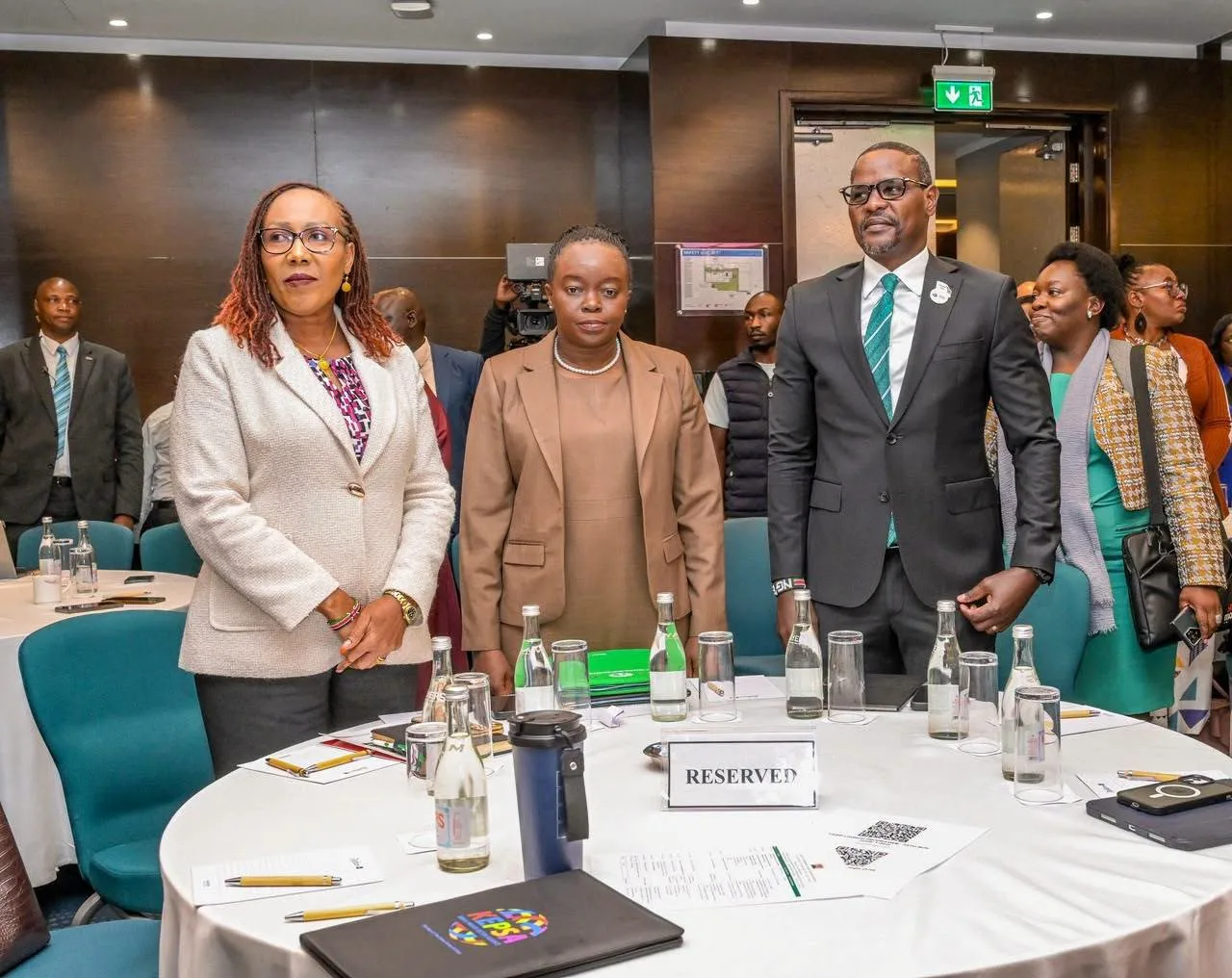
Kenya has launched its National Circular Economy Strategy and Implementation Plan (CESIP) 2027–2032, setting out a framework to promote resource efficiency, sustainable production and consumption, green investments and job creation. The strategy was officially launched on Wednesday, 25 November 2026, at the Radisson Blu Hotel in Upper Hill, Nairobi, by Cabinet Secretary for Environment, Climate Change and Forestry Deborah Mlongo Barasa. The CS was accompanied by Principal Secretary Dr Festus Ng’eno, Denmark’s Ambassador to Kenya, H.E. Stephen Schonemann, and Council of Governors (CoG) Chief Executive Officer Mary Mwiti, EBS, alongside government leaders, development partners, private sector representatives and other stakeholders.

Held under the theme “Transforming Waste into Wealth for a Sustainable, Resource-Efficient and Prosperous Kenya,” the launch marked an important milestone in the country’s transition towards a circular economy. The strategy seeks to promote a shift from traditional production and consumption models, where resources are extracted, used and discarded, towards systems that prioritise resource efficiency, reuse, recycling and waste reduction.
The circular economy approach is increasingly recognised as an important tool for addressing environmental challenges while creating economic opportunities. By keeping materials and products in use for longer, it can help reduce pressure on natural resources, minimise waste and encourage more sustainable industrial practices. The involvement of government institutions, county governments, development partners and private sector players highlights the importance of coordinated action in implementing the strategy.

The private sector is expected to play an important role in advancing circular business models, driving innovation and investing in solutions that turn waste into valuable resources. County governments also remain important partners in strengthening waste management and supporting local implementation.Through CESIP 2027–2032, Kenya is seeking to advance a resource-efficient economy that balances environmental protection with economic growth, investment and employment creation.
The launch signals the country’s commitment to making circularity an important part of its sustainable development agenda.