

Kenya has launched a nationwide soil health initiative aimed at transforming fertilizer use, improving crop productivity and helping farmers make informed decisions based on the specific needs of their soils.
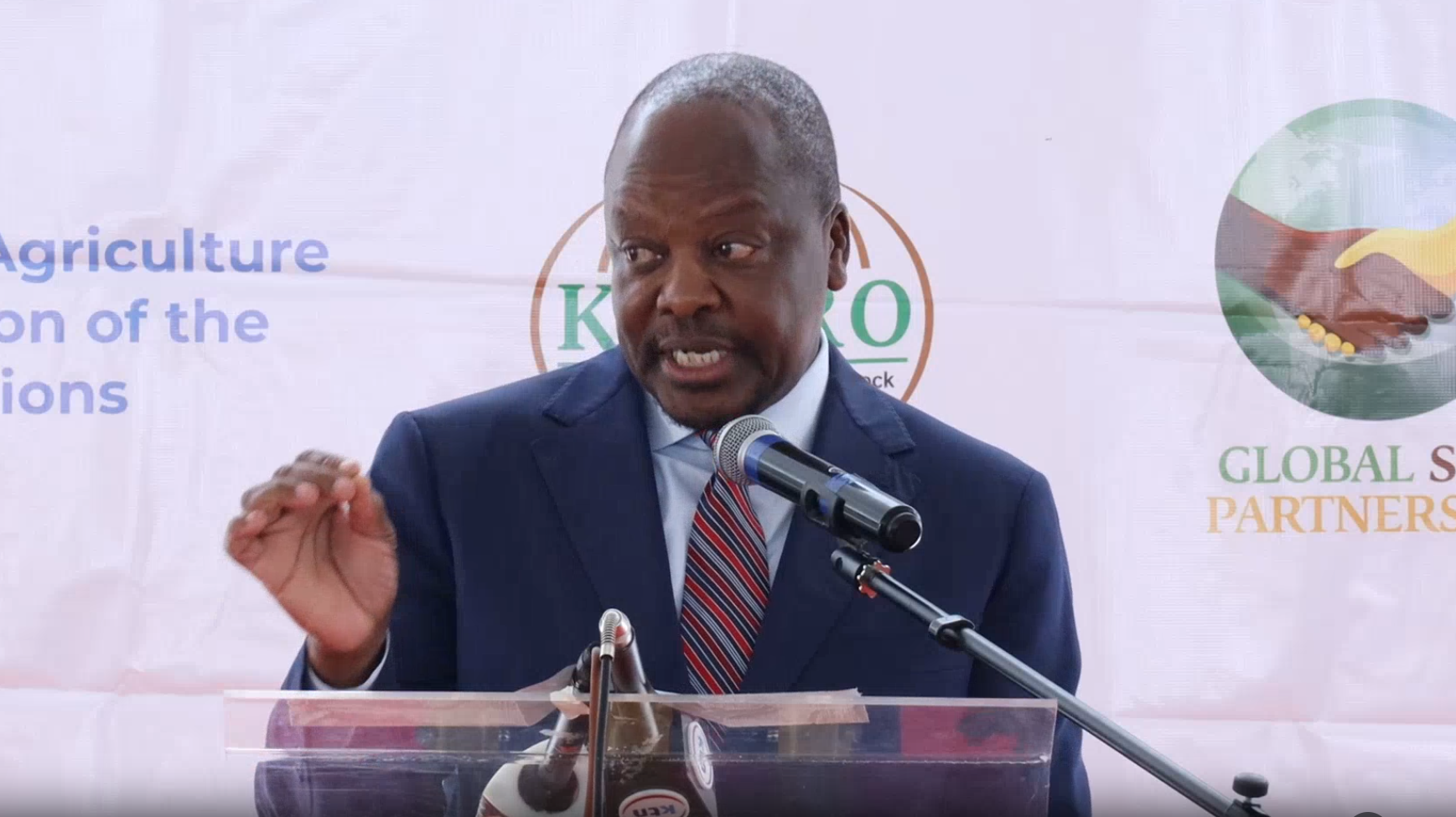
Agriculture and Livestock Development Cabinet Secretary Sen. Mutahi Kagwe launched the initiative, dubbed Soilfer, at the Kenya Agricultural and Livestock Research Organization (KALRO) headquarters in Kabete, Nairobi, alongside the National Soil Partnership, the National Soil Laboratory Network and the national rollout of the Global Soil Doctors Programme. The launch also saw the handover of refurbished KALRO Soil Chemistry Laboratories valued at KSh220 million, in a move aimed at strengthening the country’s capacity for soil testing, research and evidence-based fertilizer recommendations.
Kagwe said the initiative seeks to move Kenyan agriculture away from blanket fertilizer application towards soil-specific nutrient management, warning that subsidized fertilizer can become a wasted investment when it does not address the actual deficiencies of the soil. “A bag of the wrong fertiliser, delivered on time, at half the price, to the wrong soil, is still the wrong fertiliser,” Kagwe said, emphasizing that fertilizer subsidies must be supported by soil testing and accurate agronomic advice.
Drawing from his personal farming experience, the Cabinet Secretary said he had previously applied fertilizer based on common practices in his area before a soil test revealed that his land already had some nutrients in sufficient quantities but lacked others. He compared soil testing to medical diagnosis, arguing that farmers should understand the condition of their soils before deciding on the appropriate interventions. Kagwe said approximately 63 per cent of Kenya’s arable land is acidic, with close to seven million acres classified as strongly acidic. He warned that applying fertilizer without first addressing soil acidity can limit nutrient availability and reduce crop response, resulting in poor returns for farmers.
Soil testing to guide fertilizer subsidies
The initiative is expected to strengthen the link between soil analysis, fertilizer recommendations and government input support. Kagwe said more than eight million farmers are registered on the Kenya Integrated Agricultural Management Information System (KIAMIS), while over 180,000 bags of subsidized fertilizer were being moved daily through National Cereals and Produce Board (NCPB) stores and registered outlets at the height of a planting season. He said the next phase of fertilizer subsidy support should increasingly be guided by the specific nutrient requirements of individual farms rather than relying on generalized recommendations.
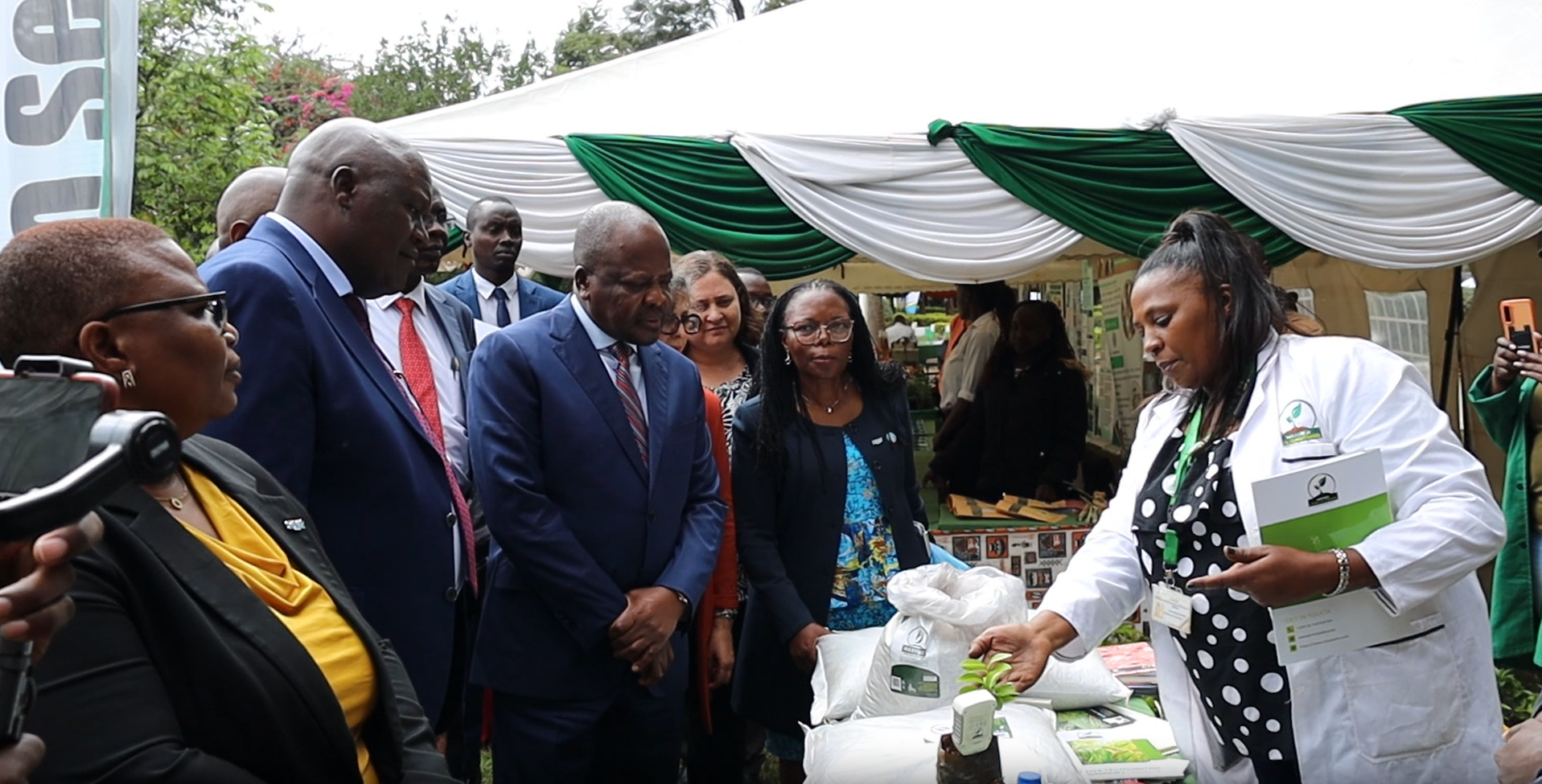
KALRO has been directed to continue analysing approximately 77,000 soil samples across 45 counties and develop county-level soil fertility maps that will be made publicly available to support farmers, researchers, extension officers and policymakers. The Ministry of Agriculture and Livestock Development and KALRO will also work towards integrating soil test results into KIAMIS, potentially enabling fertilizer subsidy recommendations to reflect the actual needs of farmers’ soils. The refurbished soil chemistry laboratories at Kabete are expected to improve testing capacity and reduce the time taken to deliver soil analysis results, allowing farmers to receive recommendations in time for planting and fertilizer application. Kagwe stressed that timely access to soil test results is essential for practical decision-making, particularly during planting seasons when delays can affect crop performance.
National partnership to strengthen soil health
The National Soil Partnership will bring together the national government, county governments, KALRO, universities and private-sector players to coordinate soil health initiatives, strengthen research collaboration and improve access to soil information. The National Soil Laboratory Network will establish common testing standards to improve the consistency and reliability of soil analysis across participating laboratories.
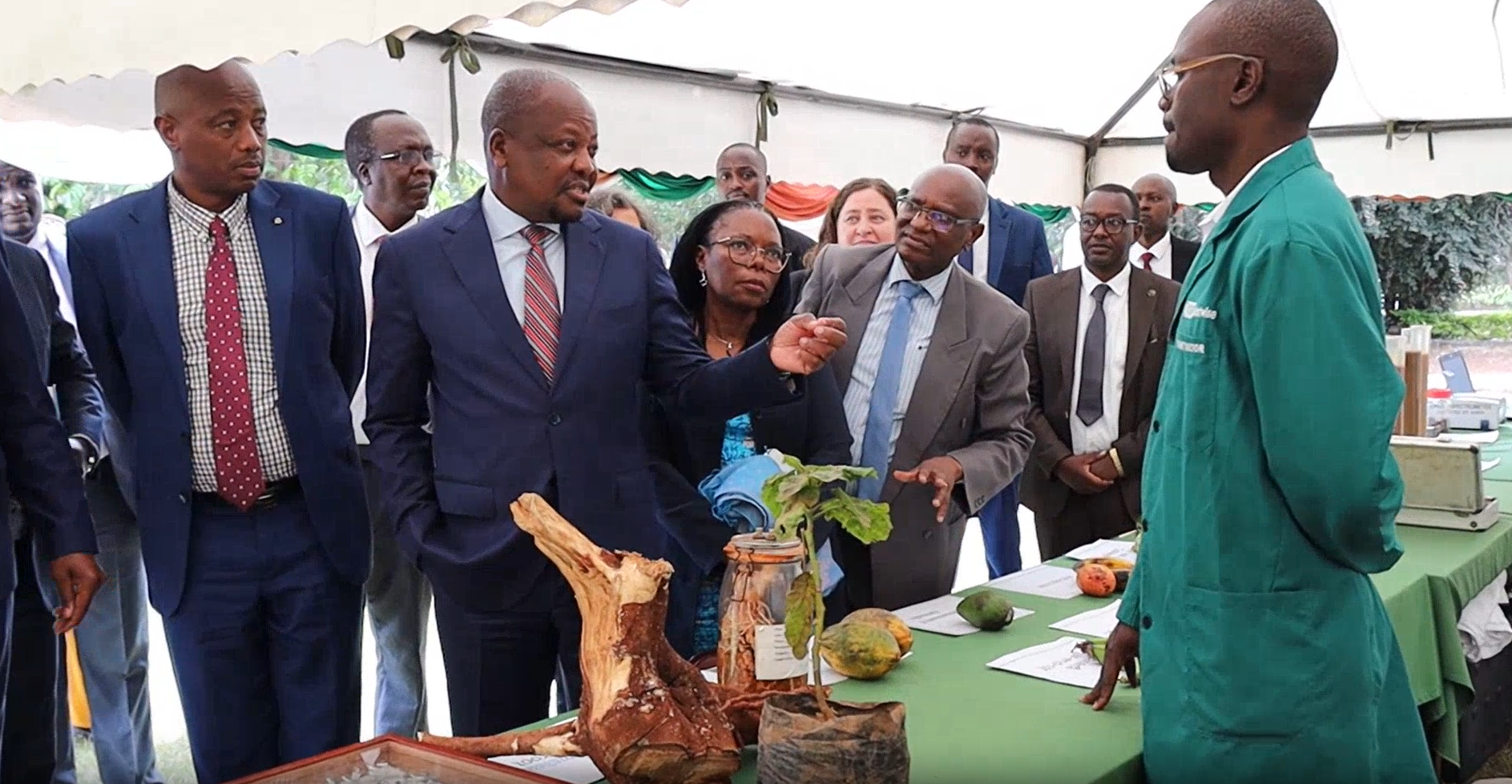
Meanwhile, the Global Soil Doctors Programme will equip farmers with practical knowledge and skills to understand soil conditions, identify soil health challenges and share that knowledge with other farmers within their communities. Kagwe urged county governments to co-finance soil testing services and make them more accessible to farmers, noting that soil management interventions must be available beyond national research institutions. He also called for increased use of agricultural lime to address soil acidity, alongside the restoration of organic matter through appropriate soil management practices. The Cabinet Secretary further warned that efforts to promote soil-specific fertilizer application must be matched by strict quality assurance across the agricultural inputs market. He said the government would continue its crackdown on counterfeit, expired and substandard farm inputs to ensure farmers receive products that meet the specifications on their labels.
Investment in research and soil science
Kagwe also called for increased investment in agricultural research capacity, appealing to the Public Service Commission to allow KALRO to recruit additional researchers to support its expanding scientific work. He said the institution requires sufficient technical personnel to operate and maximise the value of 170 pieces of research equipment expected to arrive, ensuring that investments in laboratory infrastructure translate into practical solutions for farmers.
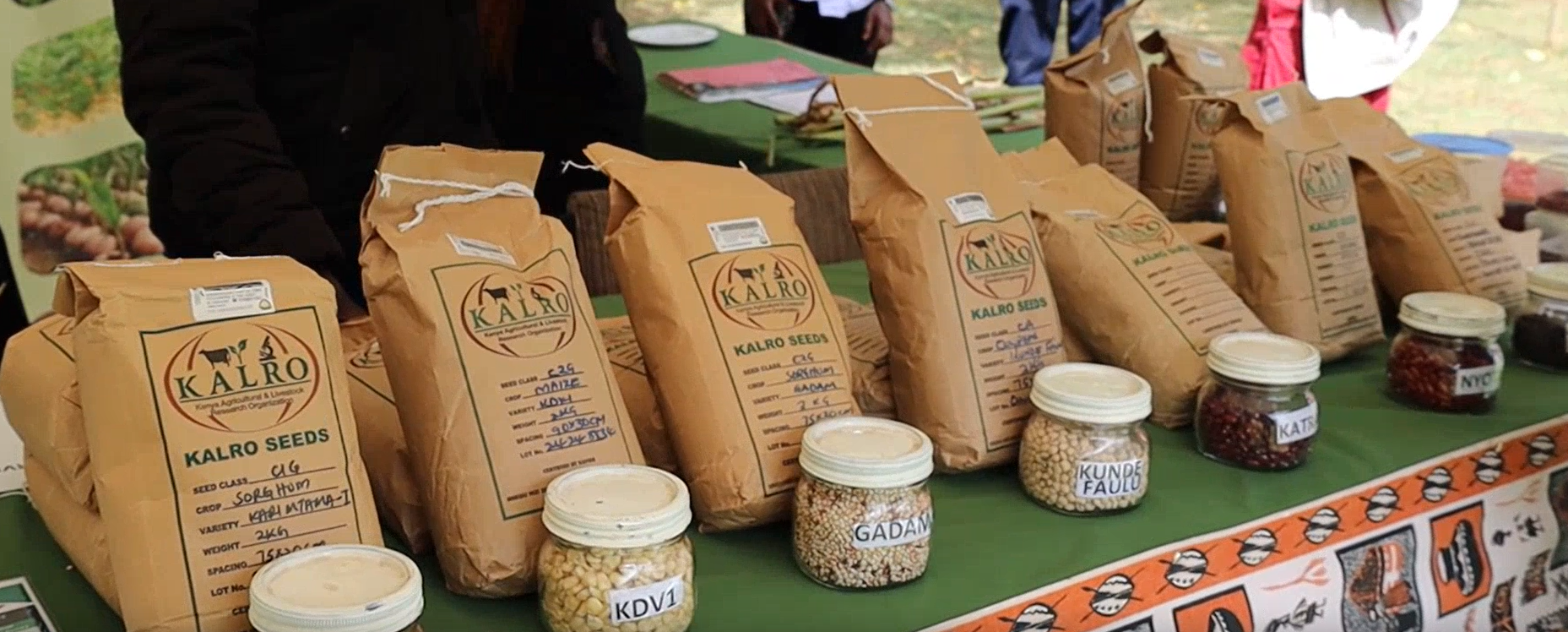
The Soilfer initiative represents a shift towards more evidence-based soil fertility management, with soil testing, research, farmer education and fertilizer quality assurance forming key pillars of the programme. By linking soil science with fertilizer subsidies, extension services and digital farmer registration, the initiative aims to improve nutrient-use efficiency, reduce unnecessary input costs and support sustainable agricultural productivity in Kenya.