



KFC seeks stronger market access, sustainability partnerships and solutions to freight constraints ahead of IFTF 2026
Kenya’s floriculture industry is seeking stronger diplomatic and commercial support in the Netherlands as growers and exporters navigate changing European Union sustainability requirements, rising logistics costs and growing pressure to remain competitive in one of the sector’s most important markets.

The Kenya Flower Council (KFC), led by Chief Executive Officer Clement Tulezi, met with Kenya’s Ambassador to the Netherlands, H.E. Halima Mucheke, ahead of the International Floriculture Trade Fair (IFTF) 2026 to discuss opportunities and challenges shaping the Kenyan flower industry in the Dutch market. According to KFC, discussions focused on evolving European Union trade and sustainability requirements, strengthening the global identity of Kenyan flowers, supporting smallholder growers, and addressing air freight costs and cargo capacity constraints affecting export competitiveness.
The engagement also underscored the role of diplomatic partnerships in improving market access, promoting the sustainability credentials of Kenyan growers and creating new opportunities for the industry. The meeting comes as Kenya’s flower sector continues to depend heavily on international markets, with the Netherlands serving as a major destination and a key trading and distribution hub for flowers entering Europe.

The Netherlands remains central to Kenya’s flower trade
The Dutch market occupies a strategic position in Kenya’s floriculture trade. HortiNews’ previous reporting has highlighted the Netherlands’ importance to Kenyan flower exports, with the country accounting for approximately 46 per cent of Kenya’s flower exports in the 2024–2025 period.
Kenya’s flower exports reached approximately 130,600 tonnes in 2025, underlining the scale of the industry and the importance of maintaining access to established markets while expanding into new destinations. The Netherlands’ role extends beyond direct consumption. Its auction, trading and distribution infrastructure connects growers from Kenya and other producing countries with buyers across Europe and beyond.
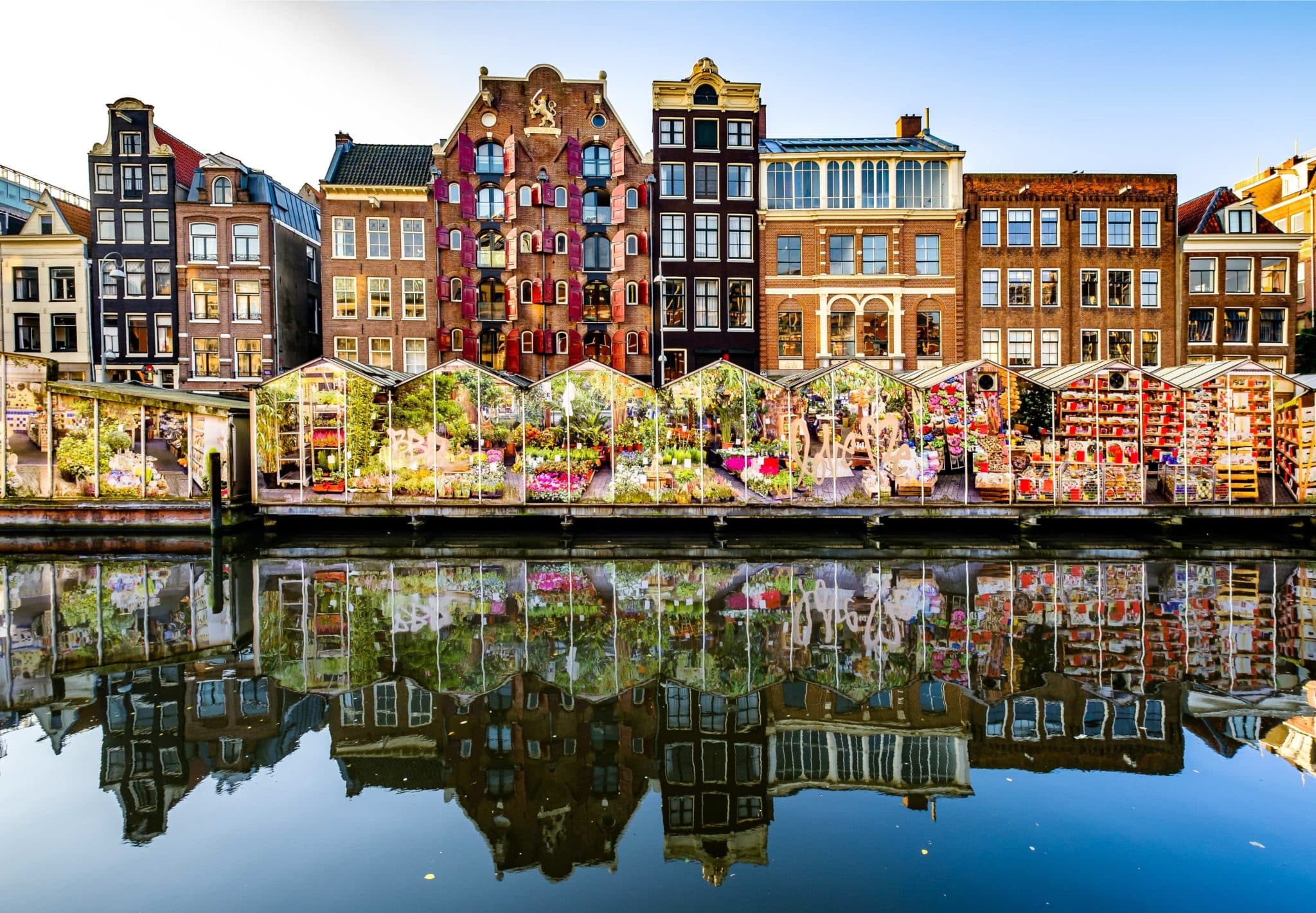
This makes developments in the Dutch market particularly significant for Kenyan exporters. Changes in consumer demand, trade policy, sustainability expectations and distribution costs can influence the commercial environment in which Kenyan flowers compete. KFC’s engagement with the Kenyan Embassy therefore comes at a time when the industry is looking to strengthen relationships with European stakeholders while protecting its position in the market.
Sustainability requirements are becoming a competitiveness issue
One of the central issues raised during the meeting was the need to respond to evolving EU trade and sustainability requirements. For Kenyan growers, sustainability is increasingly linked to market access, buyer expectations and the ability to demonstrate responsible production. Environmental performance, resource efficiency, worker welfare and supply-chain accountability are all important elements of the industry’s international positioning.
The issue is not new to Kenya’s floriculture sector.
HortiNews’ coverage of the Kenya Flower Council’s Pinnacle Sustainability Awards has highlighted the industry’s efforts in areas such as soil health, water management, renewable energy, biodiversity, employee welfare, waste management and sustainable packaging. These initiatives demonstrate that sustainability is not simply a communications message for the industry. It is part of the operational work required to maintain competitiveness and meet the expectations of international buyers.
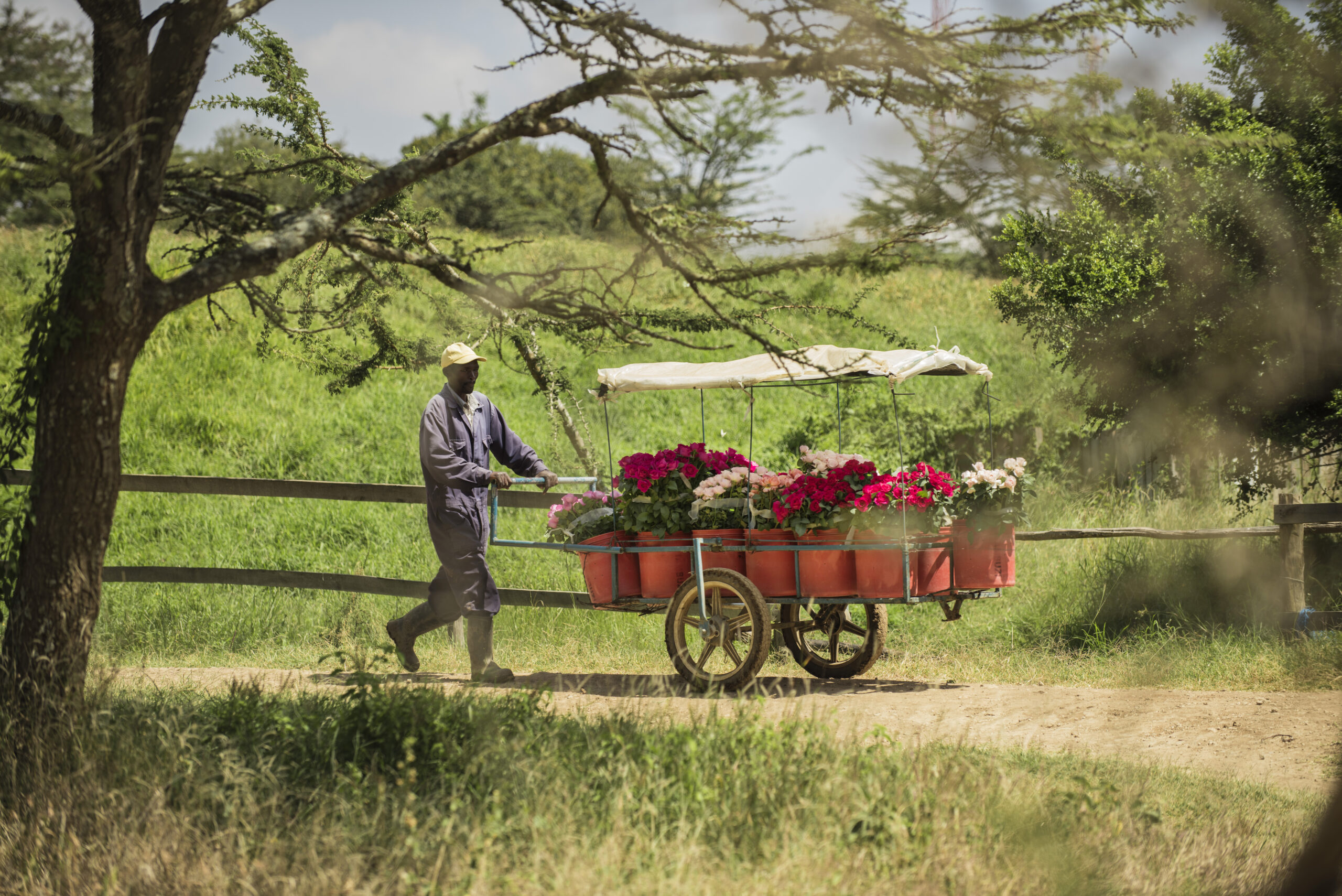
However, compliance can also place pressure on growers, particularly smaller producers that may have fewer resources to invest in certification, technology, monitoring systems and other requirements. KFC’s emphasis on supporting smallholder growers reflects the need to ensure that changing market expectations do not leave smaller businesses behind.
Dutch VAT proposal raises further questions for the flower trade
The Council’s discussions also come against the background of a proposed change in the Netherlands’ VAT treatment of flowers and plants. In previous HortiNews reporting, the Dutch proposal to increase VAT on flowers and plants from 9 per cent to 21 per cent from January 2028 was identified as a potential development for the Kenyan flower trade. The proposal remains subject to approval. The potential implications for Kenyan growers will depend on how the policy is implemented and how consumers, retailers and the wider supply chain respond.
Because the Netherlands is a major trading and distribution hub, any change that affects the cost of flowers in the market could have consequences beyond Dutch consumers. However, the precise impact on Kenyan exports cannot be assumed before the policy is finalised and its market effects become clearer. The issue reinforces the importance of continued engagement between industry representatives, government and diplomatic partners as Kenya seeks to protect and expand its market opportunities.
Air freight costs and cargo capacity remain a major concern
Air freight was another key issue raised during the engagement. Fresh flowers are highly perishable products, making reliable and timely transport essential to maintaining quality and meeting buyer requirements. The cost and availability of cargo capacity can therefore directly affect exporters’ competitiveness. KFC highlighted air freight costs and cargo capacity constraints as challenges affecting the industry’s ability to compete in international markets.
These concerns echo broader issues previously covered by HortiNews, including logistics disruptions, the need for more efficient transport systems and the importance of diversifying export destinations. For Kenyan growers, freight is not simply a transport expense. It is part of the cost of delivering a fresh product to a buyer in a different continent within a limited time.
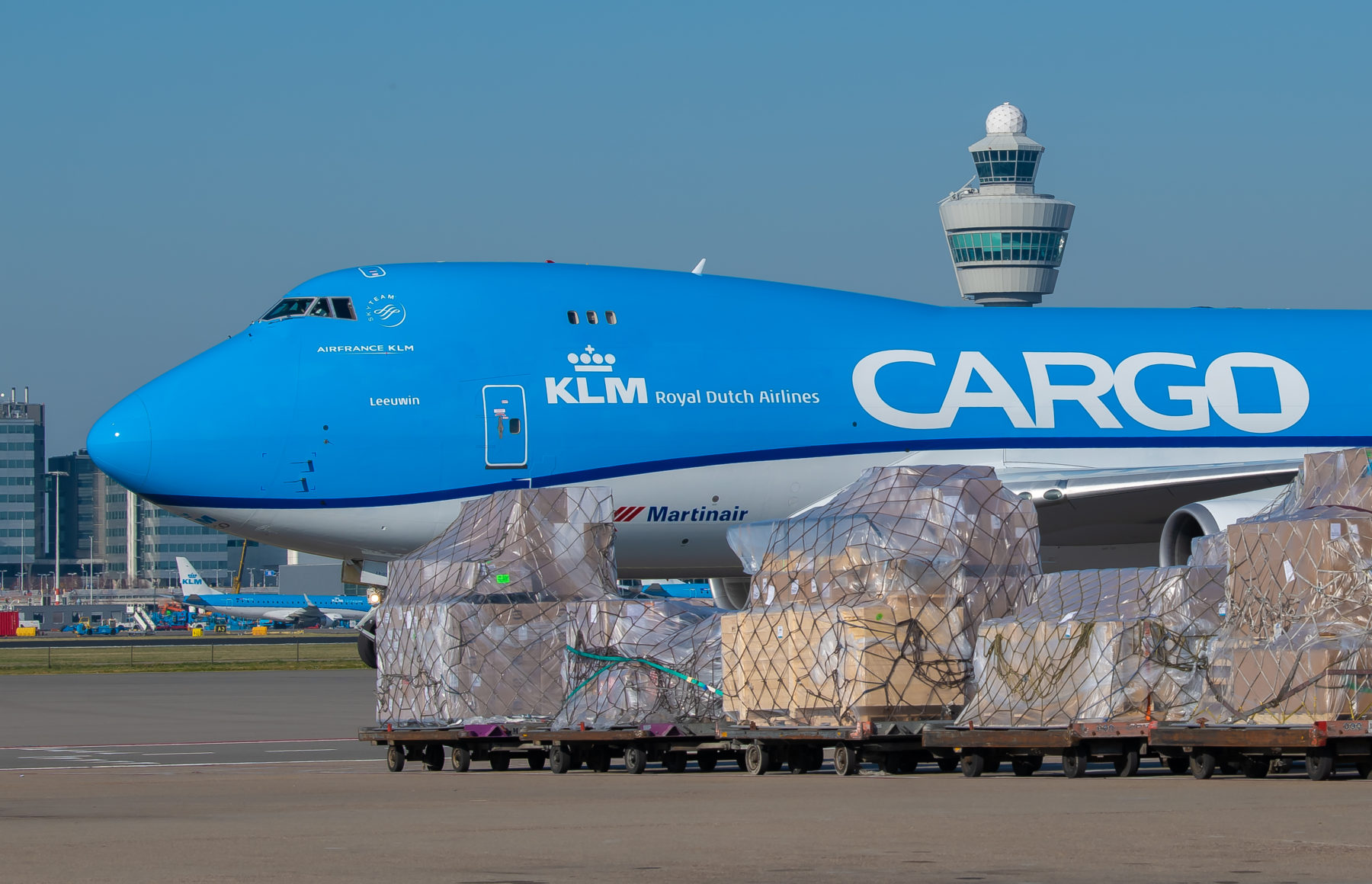
Higher freight costs or restricted capacity can reduce the margins available to growers and exporters, particularly when they are also investing in sustainability compliance and production improvements. The industry’s engagement with diplomatic representatives is therefore significant in seeking support for discussions with relevant stakeholders across the trade and logistics chain.
Strengthening the global identity of Kenyan flowers
KFC also highlighted the need to enhance the global identity of Kenyan flowers. Kenya has established itself as a major flower-producing and exporting country, but the Council’s message points to the importance of ensuring that the country’s reputation is supported by a clear and consistent story about its growers, production practices and sustainability efforts. This is particularly relevant in markets where buyers and consumers are increasingly attentive to how products are grown, handled and transported. A stronger identity for Kenyan flowers could help reinforce the country’s position in existing markets while supporting efforts to reach new buyers.
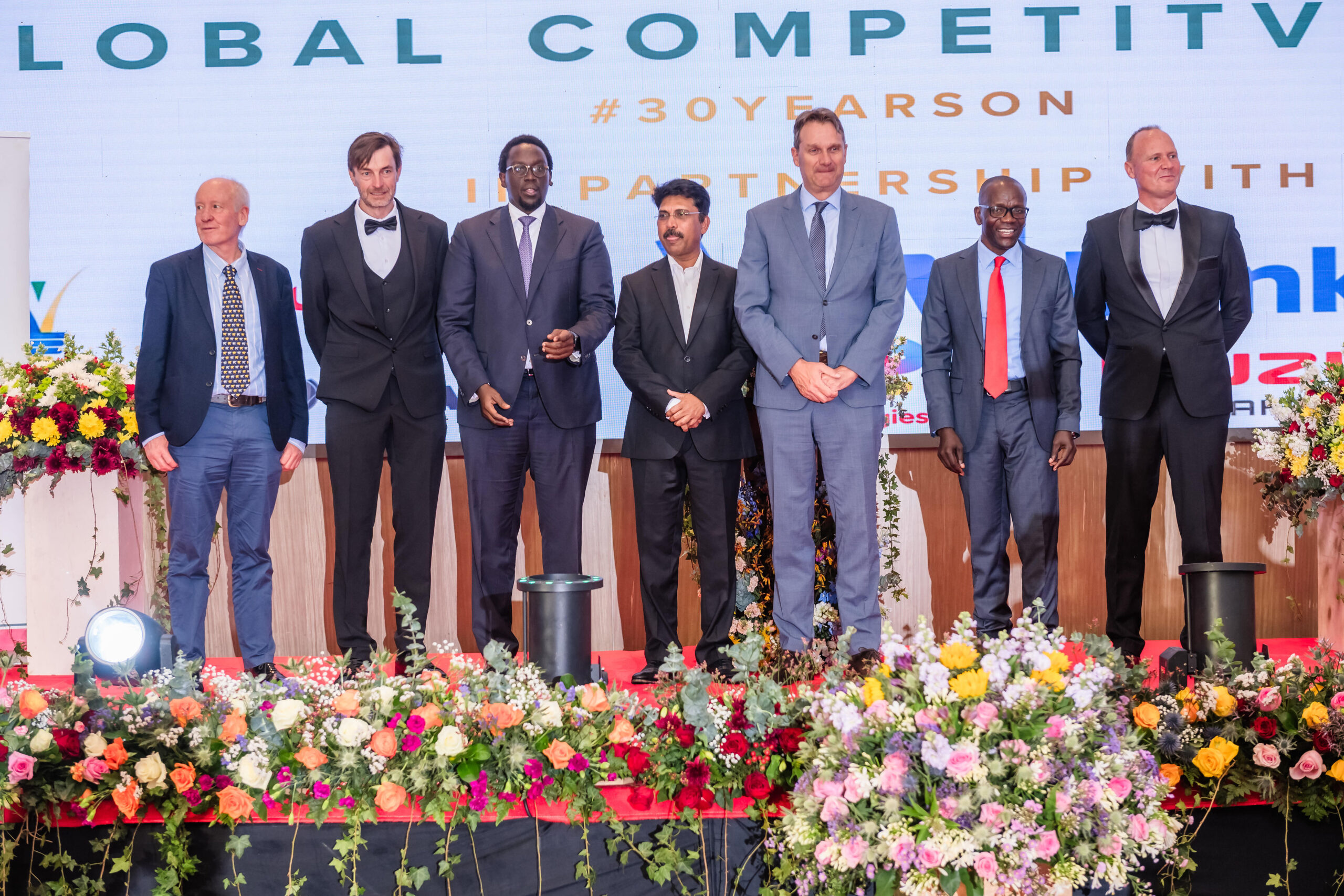
The role of diplomatic missions is important in this process. Embassies can help facilitate relationships, promote trade opportunities and support engagement between Kenyan businesses and international stakeholders. KFC said the meeting highlighted the importance of diplomatic support in strengthening market access, amplifying the sustainability story of Kenyan growers and opening new opportunities for the industry.
IFTF 2026 provides a platform for industry engagement
The meeting took place ahead of IFTF 2026, a major international floriculture trade event that brings together growers, exporters, buyers, suppliers and other industry stakeholders. For Kenya’s floriculture sector, the event offers an opportunity to promote its flowers, strengthen commercial relationships and engage with market developments affecting the industry. KFC’s engagement with the Kenyan Ambassador to the Netherlands also forms part of the Council’s wider efforts to support the sector’s resilience and global competitiveness as it marks 30 years of representing the industry.
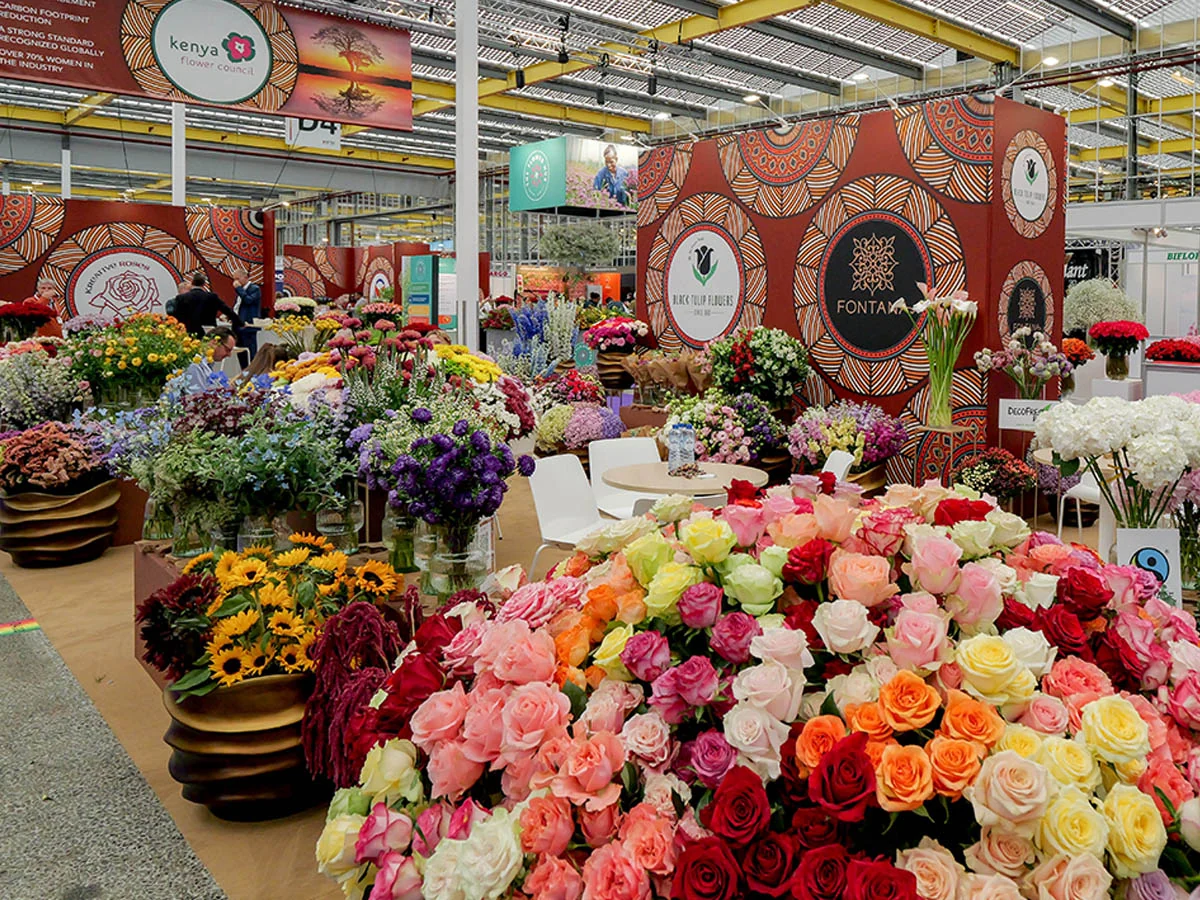
The Council said it remains committed to building partnerships that secure a stronger future for Kenyan flowers. The issues discussed—from sustainability requirements and smallholder support to air freight costs and market access—reflect the interconnected challenges facing the industry. As Kenya continues to compete in international flower markets, the strength of its relationships with buyers, regulators, logistics providers and diplomatic partners will remain an important part of its ability to sustain growth.