


As Kenya prepares to showcase its flowers at IFTF 2026 in the Netherlands, Kenya Airways Chairman Kiprono Kittony has disclosed discussions with government and industry on subsidising airfreight. The development comes as Eastern Africa’s newly established horticulture council places logistics, affordable transport and trade facilitation at the centre of its regional agenda.
Kenya’s flower industry is heading into the International Floriculture Trade Fair (IFTF) in the Netherlands with a familiar concern hanging over its competitiveness: the cost of getting flowers to international markets. This time, however, there is a potentially significant development at home. Kenya Airways (KQ), the national carrier, has been discussing ways of making airfreight more affordable, including the possibility of a subsidy involving government and the industry.
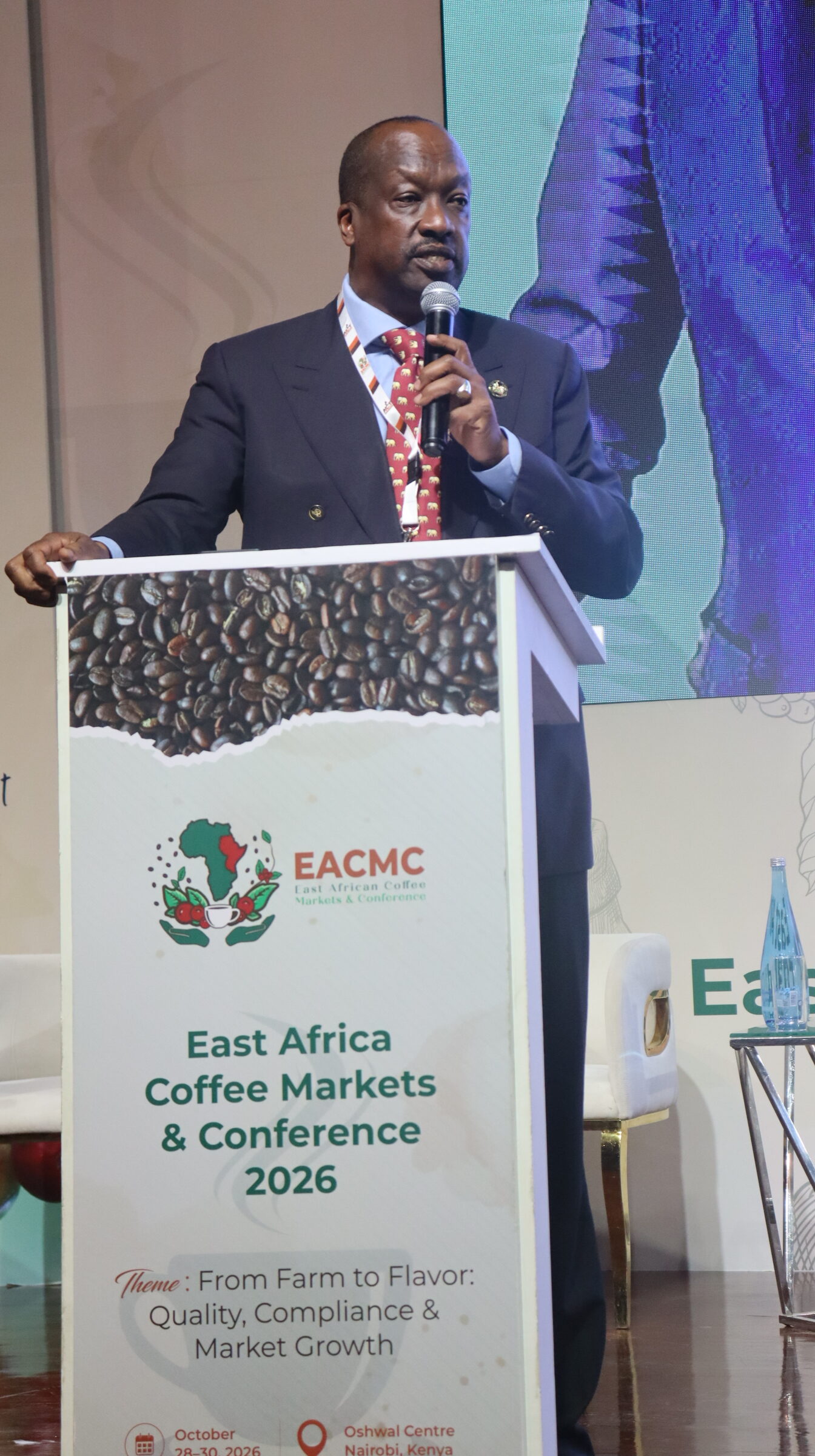
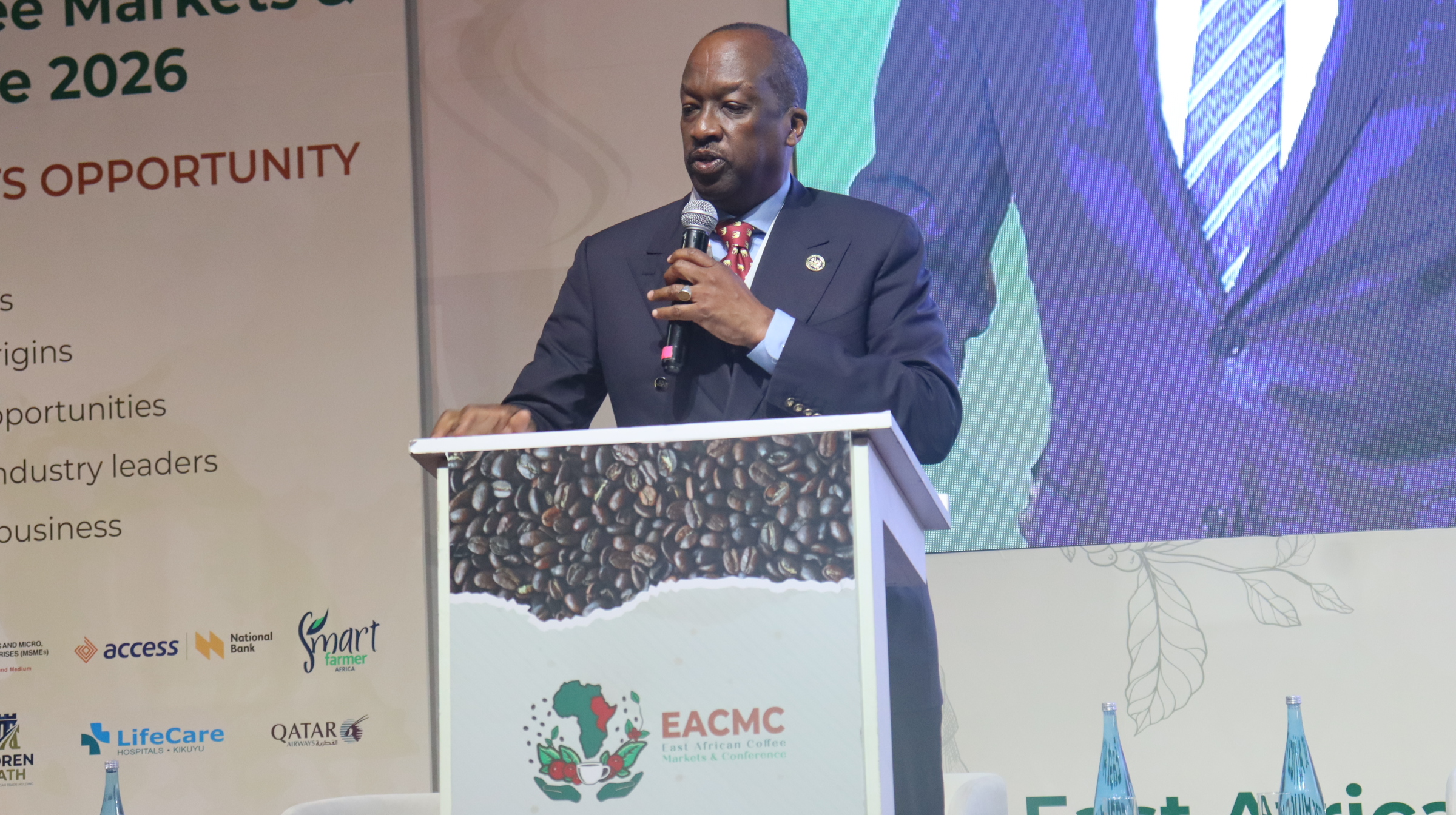
The disclosure came from KQ Chairman Kiprono Kittony during the East African Coffee Markets Conference, where he spoke about the importance of international trade events in promoting Kenya’s export products. In citing IFTF, which takes place from November 3 to 5 at Expo Greater Amsterdam in the Netherlands, Kittony drew attention to Kenya’s participation in an important international platform for the flower trade. His reference prompted a question about the national carrier’s support for the flower industry, particularly at a time when freight costs remain a major concern for exporters competing in international markets.
Kittony described the question as “very good and timely”. He then revealed that Kenya Airways, representatives of the flower industry and government had met the previous week to discuss the issue. Although he did not disclose the details or outcome of the meeting, he specifically referred to the possibility of subsidising airfreight. He pointed to neighbouring Ethiopia as an example of how an airline can support the development of a national flower export industry, citing Ethiopian Airlines and its role in making cargo transport more accessible to flower exporters.
The disclosure is significant because it moves the conversation beyond the industry’s longstanding complaint about high freight costs and towards the possibility of a practical intervention involving the airline, government and exporters. It is not yet an announced subsidy programme or a concluded agreement, but the fact that the discussions have taken place is an important development.
A chairman with a direct connection to horticulture
Kittony’s position gives the discussion an added dimension. He chairs Kenya Airways and is also Chairman of Mount Elgon Orchards Ltd, the established horticultural enterprise in Kitale associated with Bob Andersen. The farm, founded in 1920, is among Kenya’s oldest horticultural businesses and has developed a substantial flower and avocado operation. Mount Elgon Orchards has itself identified the uncompetitive cost of airfreight as one of the barriers affecting Kenya’s flower and avocado exports. Following a visit by Agriculture Cabinet Secretary Mutahi Kagwe, the company highlighted airfreight costs, regulatory burdens and delays in VAT refunds among the issues requiring attention.

Kittony also served as President of the Kenya National Chamber of Commerce and Industry (KNCCI) from 2014 to 2019. His experience in business leadership, horticulture and national trade advocacy gives his remarks particular relevance at a time when the industry is seeking solutions to the cost of doing business. The question is no longer simply whether Kenya Airways can carry flowers. It is whether the national carrier can become a more active partner in strengthening the competitiveness of one of Kenya’s important export industries.
HoCEA gives the freight question a regional context
The discussions around Kenya Airways come at a particularly important moment for Eastern African horticulture. In September 2026, national horticulture associations from nine countries formally launched the Horticulture Council of Eastern Africa (HoCEA) in Nairobi, establishing a regional private-sector platform to address challenges that individual countries and businesses cannot resolve on their own. The council’s formation followed consultations among national associations, with the groundwork taking shape at a regional meeting in Arusha, Tanzania, in November 2024. Its formal launch on September 22, 2026, took place alongside a Regional Public-Private Dialogue on Horticultural Logistics and Trade Facilitation, supported by TradeMark Africa.
HoCEA brings together national horticulture associations around a shared agenda covering trade, investment, market access, standards and competitiveness. Its priorities include trade facilitation and logistics, cold-chain infrastructure and trade corridors, digital trade and traceability, inclusive value-chain development, and climate resilience. The logistics agenda is particularly relevant to the flower industry. High airfreight costs, inadequate cold-chain infrastructure, limited cargo capacity, fragmented trade processes and delays at borders and ports all affect the ability of producers and exporters to move time-sensitive products efficiently.
The council’s founding objectives also identify efficient logistics and market access as areas for collective action. Its approach is to work through national associations, bringing together industry players and engaging governments, regional institutions and development partners to address shared constraints. This is an important shift in how the region approaches horticultural competitiveness. Rather than treating freight and transport challenges as separate national problems, HoCEA provides a platform through which associations can pursue common solutions, coordinate advocacy and encourage investment in the systems that connect farms to markets. The Kenya Airways discussions therefore resonate with a wider regional agenda. A more affordable airfreight arrangement in Kenya would address an immediate concern for Kenyan exporters, while the broader challenge of efficient transport and logistics remains one that the region must tackle collectively.
Ethiopia’s experience offers a regional lesson
Kittony’s reference to Ethiopia is especially relevant within this emerging regional framework. Ethiopia is part of the wider HoCEA horticultural network, and its flower industry provides an important example of how close cooperation between producers, government and a national airline can support export development. Research by Harvard University’s Growth Lab documents how the Ethiopian government facilitated cooperation between flower producers and Ethiopian Airlines. As the industry expanded, the airline moved beyond carrying flowers in the belly cargo space of passenger aircraft to leasing cargo planes to serve the growing export trade. Ethiopian Airlines continues to play a major role in transporting the country’s flowers.
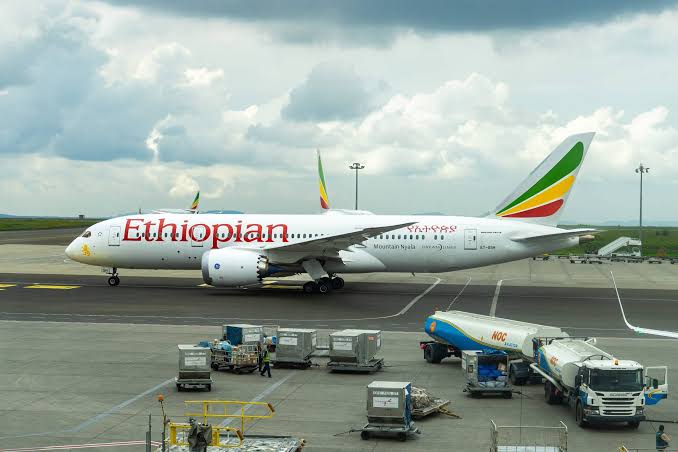
A United Nations Conference on Trade and Development (UNCTAD) study also identifies airfreight charges as a major operating cost for Ethiopia’s cut-flower industry and documents the development of dedicated cargo capacity to accommodate exports. The Ethiopian experience is not a ready-made formula that Kenya can simply reproduce. The structure of the two countries’ aviation and flower industries differs. It does, however, demonstrate the importance of aligning national aviation capacity with the needs of an export sector whose products depend on speed, reliability and temperature-controlled handling. That is the wider lesson behind Kittony’s comparison: the competitiveness of a flower industry is influenced not only by what happens on the farm, but also by the transport systems and commercial arrangements that determine how efficiently flowers reach buyers.
IFTF: taking the conversation to the international market
The timing of the discussions is important. Kenya heads to IFTF 2026 in Vijfhuizen, the Netherlands, from November 3 to 5, joining international growers, breeders, buyers, suppliers and other players in the floriculture value chain. The fair provides Kenyan exporters with an opportunity to engage buyers, strengthen commercial relationships and present the quality and diversity of flowers grown in the country. Kenya will be exhibiting alongside other major flower-producing countries, including Ethiopia and Uganda. Yet international market access is only one side of the competitiveness equation. Exporters must be able to deliver flowers in the right condition, at the right time and at a cost that allows them to compete. The price of freight is therefore not a peripheral matter; it is part of the commercial calculation that determines what growers earn and what buyers are prepared to pay.
The emerging discussion between Kenya Airways, government and the flower industry presents an opportunity to address this challenge at a national level. HoCEA, meanwhile, offers the regional platform through which related concerns can be pursued across national boundaries. The two developments are not the same initiative, and there is no indication that the Kenya Airways discussions have been concluded under HoCEA. Their significance lies in how closely they align: one is an emerging national response to the cost of airfreight, while the other is a regional effort to improve the movement of horticultural produce through more coordinated logistics, trade facilitation and investment.
As Eastern Africa positions itself as an integrated, competitive horticultural trade hub, the ability to move produce efficiently will be as important as the ability to grow it. Kittony’s disclosure has brought Kenya’s national carrier into that conversation at a moment when the region is beginning to organise around a common logistics agenda. The question now is whether the discussions will translate into a workable arrangement that makes airfreight more affordable for Kenyan exporters—and whether the regional cooperation taking shape under HoCEA can help turn logistics from a persistent cost burden into a source of competitive advantage.
Written by Catherine Riungu/ catherine@hortinews.co.ke