

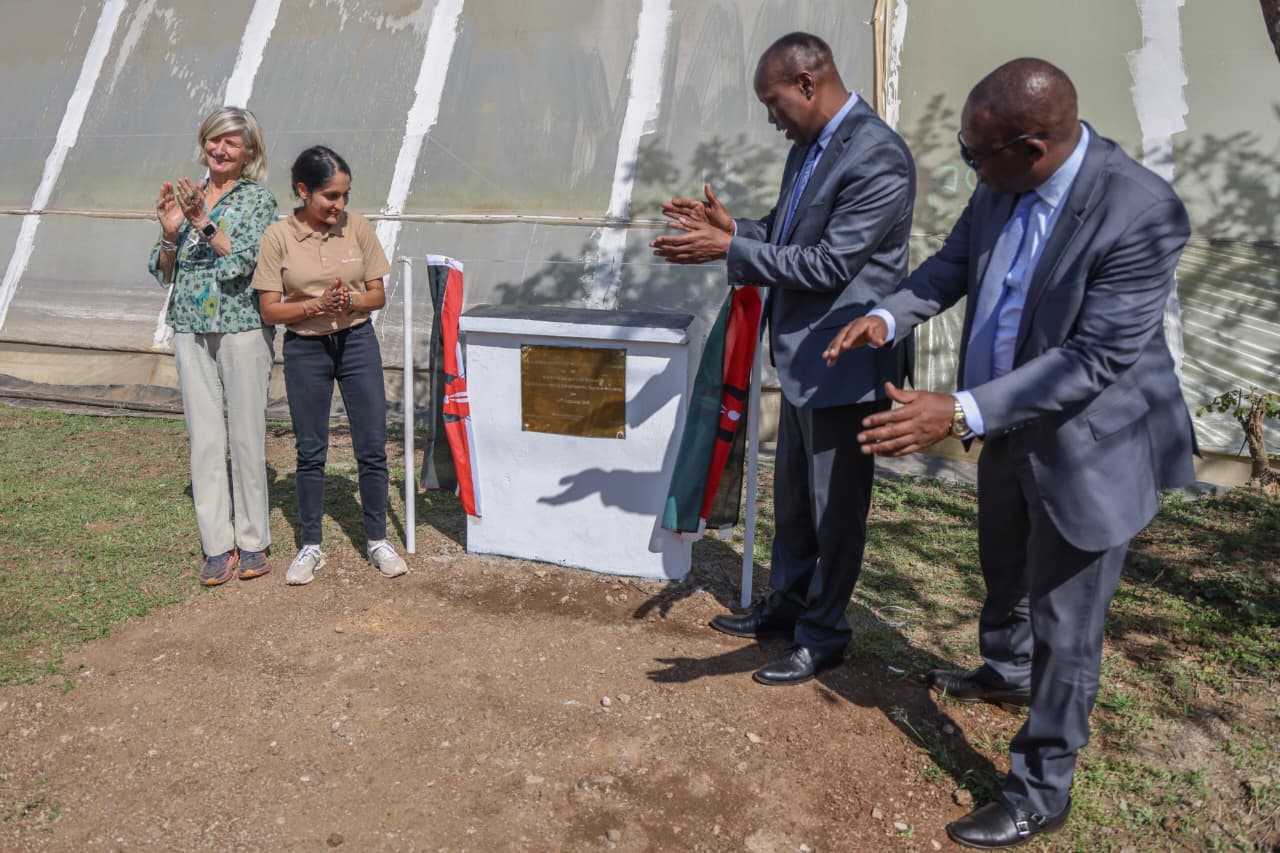

Red Lands Roses, one of Kenya’s top-tier flower farms, has officially been commissioned as a Special Economic Zone (SEZ), becoming the latest floriculture enterprise to receive the coveted designation — a long-sought policy breakthrough for the sector.
The ceremony, held at the company’s Ruiru farm, was presided over by Trade, Investments and Industrialization Cabinet Secretary Lee Kinyanjui, alongside SEZ Authority Managing Director Dr. Kenneth Chelule and a representative from the Kenya Revenue Authority (KRA) on behalf of the Commissioner of Border Control, Dr Lillian Nyawanda.
The SEZ status has already had a transformative impact. Speaking at the event, CEO Disha Copreaux revealed that Red Lands Roses secured €7.5 million in foreign direct investment as a result of the new designation — funding that has enabled major infrastructure expansion, modernization of hydroponic systems, and enhanced sustainability initiatives. The farm has grown from 22 to 44 acres.
“This SEZ milestone has opened the door to growth, innovation, and long-term competitiveness,” said Copreaux.
The CS Lee Kinyanjui said the SEZ status was the surest way of solving the VAT refunds challenge that continues dogging the flower sector, since the zones are exempt, unlocking the much needed capital and cost of finance.
The farm, which previously employed around 500 staff, now supports a workforce of 1,000 employees — a doubling of jobs made possible by the capital injection and expanded operations. All employees were in attendance during the ceremony.
The growth has a marked trickledown impact on the Ruiru economy, where many of the employees live.
In addition to government officials, industry leaders including Kenya Flower Council CEO Clement Tulezi and Chairman Chris Kulei praised the move as a watershed moment for the flower industry, which has lobbied for years for SEZ access to reduce operating costs and boost global competitiveness.
Also speaking at the event, Wesley Siele, CEO of the Agriculture Employers Association of Kenya, lauded Red Lands Roses as “one of the best employers in the flower industry — a benchmark for others to emulate.” A number of Red Lands employees have worked there for many years, some for the 30 years the farm has been operational an indication it retains workers. Red Lands supports staff children’s education, provides free meals and medical care for all its employees.
The event took a heartfelt turn when Isabel Spindler, who founded Red Lands Roses in 1996 with her husband Aldric Spindler, received a standing ovation from the farm’s entire staff. Though now retired from day-to-day operations, Isabel remains a revered figure at the farm and within Kenya’s floriculture sector.
A model of green innovation
From its founding nearly three decades ago, Red Lands Roses has led with innovation, sustainability, and quality. The farm specializes in high-value spray, garden, and hybrid roses for premium export markets in Europe and beyond.
All production is hydroponic, with full water and nutrient recycling, and the farm has been carbon neutral since 2020 — one of the few in Africa to achieve this benchmark. It holds global certifications including MPS-A, GLOBALG.A.P., and KFC Silver Standard.
Now, as an SEZ-licensed entity, Red Lands gains access to a range of incentives, including reduced corporate income tax, exemptions from VAT and import duties, and streamlined regulatory support — making it more competitive in the global market.
Sector poised for a hift
The SEZ commissioning is expected to have ripple effects across Kenya’s floriculture industry, which remains one of the country’s leading foreign exchange earners.
“This is what we’ve been advocating for,” said KFC Chairman Chris Kulei. “Red Lands Roses is showing what’s possible when policy supports private sector growth.”
KFC CEO Clement Tulezi echoed the sentiment, noting that “SEZ status gives flower farms the breathing room to reinvest, hire more, and meet international standards at a lower cost.”
For now, Red Lands Roses has become the torchbearer of a new phase in Kenya’s flower export story — one rooted in sustainability, world-class standards, and now, a supportive policy framework.
By Catherine Riungu/ catherine@hortinews.co.ke/ @catherineriungu