

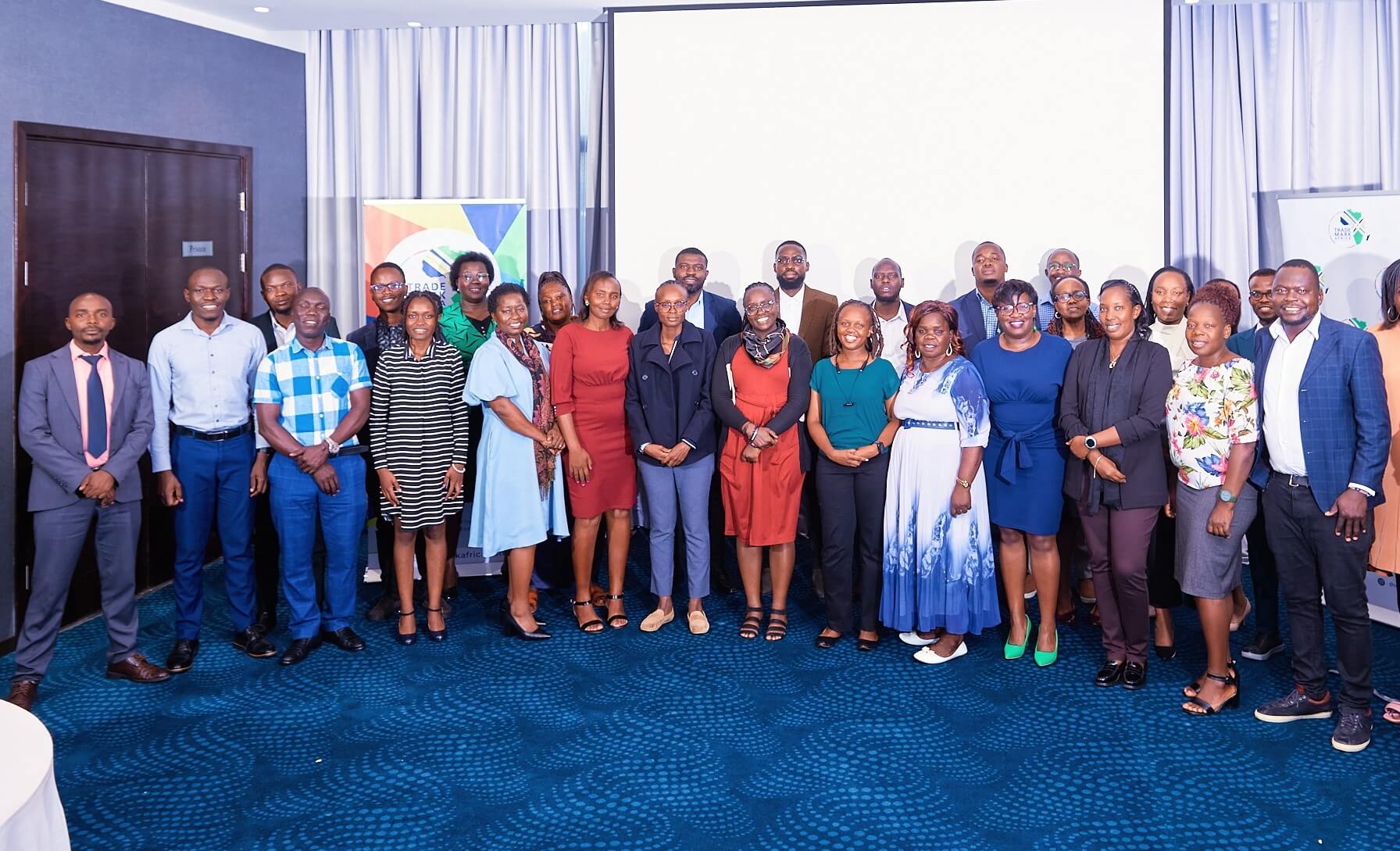

Over the past six years, the Making Trade Work for Women in East Africa programme has reshaped the regional trade landscape by opening up economic opportunities for women, dismantling systemic barriers, and introducing groundbreaking digital tools to support cross-border trade. Its recent two-day close-out workshop brought together stakeholders from across the region to celebrate milestones, reflect on lessons learned, and plan the next phase of scaling women’s economic empowerment.
For many women in East Africa, cross-border trade has long been a key source of income. Yet, persistent challenges such as limited access to information, harassment at borders, and exclusion from formal networks hindered their growth. Through targeted interventions, the programme successfully enabled over 50,000 women traders to transition from informal to formal trade.
Key strategies have included, facilitating collective trade through formal associations, advocating for gender-responsive policies and practices, providing access to trade and market intelligence and building business management and networking skills.
These efforts led to a 23% increase in average monthly trade value — rising from $308 in 2018 to $380 in 2023. Women who formalised their businesses saw an even greater boost of 33%, with 78% reporting increased confidence and decision-making power in their businesses.
The establishment of resource centres at key border points provided safe spaces where women could access vital information, receive assistance during border procedures, and report harassment. Additionally, tele-support services reached traders in remote areas, collectively contributing to a 34% reduction in gender-based violence incidents among participating women.
Importantly, the programme also championed the inclusion of traders living with physical disabilities. Through association-building and business support, these traders moved from being primarily porters to becoming self-sustaining entrepreneurs — resulting in a 20% increase in trade revenue for the group.
A game-changer for women in trade has been the iSOKO digital platform, which now boasts over 90,000 registered traders. Before iSOKO, many women operated without access to vital trade data and market linkages. Today, they use the platform to:connect with buyers across borders, access up-to-date market prices, promote products and services and receive business development support.
The platform currently hosts 15,000 products and 2,000 services, with 73% of users reporting improved market access and 19% noting increased sales — a testament to its tangible impact on small-scale commerce.
Speaking during the close-out event, Allen Asiimwe, Deputy CEO and Chief of Programmes at TradeMark Africa, stated: “Investing in women is not just a social imperative but an economic necessity. This programme has shown that targeted, evidence-based interventions can dismantle barriers and catalyse sustainable economic transformation.”