

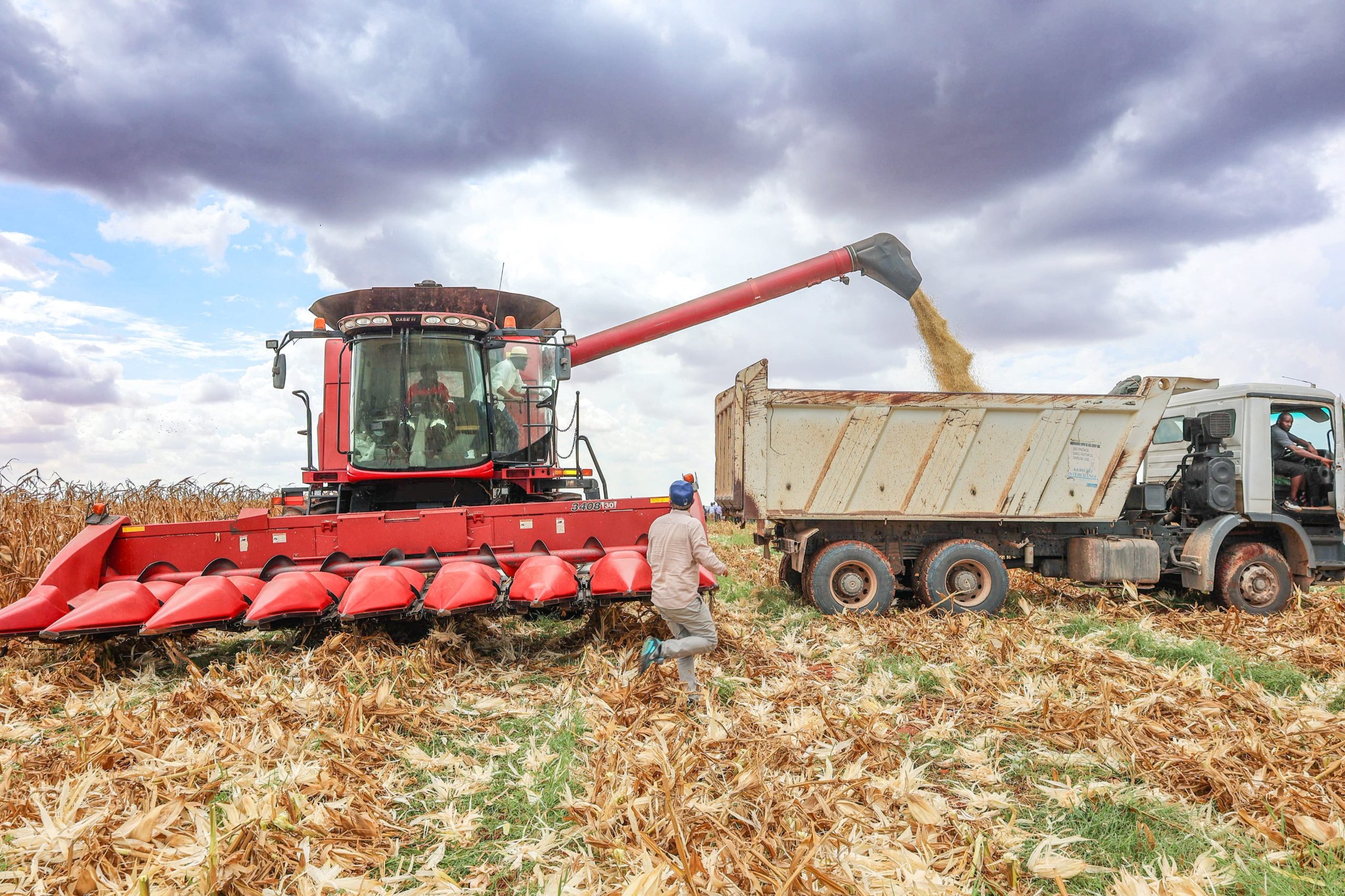

The Kenyan government has opened up vast tracts of land at the Galana Kulalu Irrigation Scheme for long-term leasing to private investors, signalling a renewed push to anchor food security through large-scale commercial farming. The move was highlighted by ASNET Chairman Bimal Kantaria in a LinkedIn update following a site visit by ASNET members to the project, hosted by the Cabinet Secretary for Agriculture, Hon. Mutahi Kagwe.
Kantaria said the Galana Kulalu Food Security Project is increasingly taking shape as a public–private partnership, with the government retaining land ownership while offering concessional long-term leases to investors. The model is underpinned by heavy public investment, with the state committing an estimated Ksh. 150 billion toward irrigation infrastructure, including major water dams and channels drawing from the Tsavo and Galana river systems, as well as large-scale electricity supply to support mechanised farming.
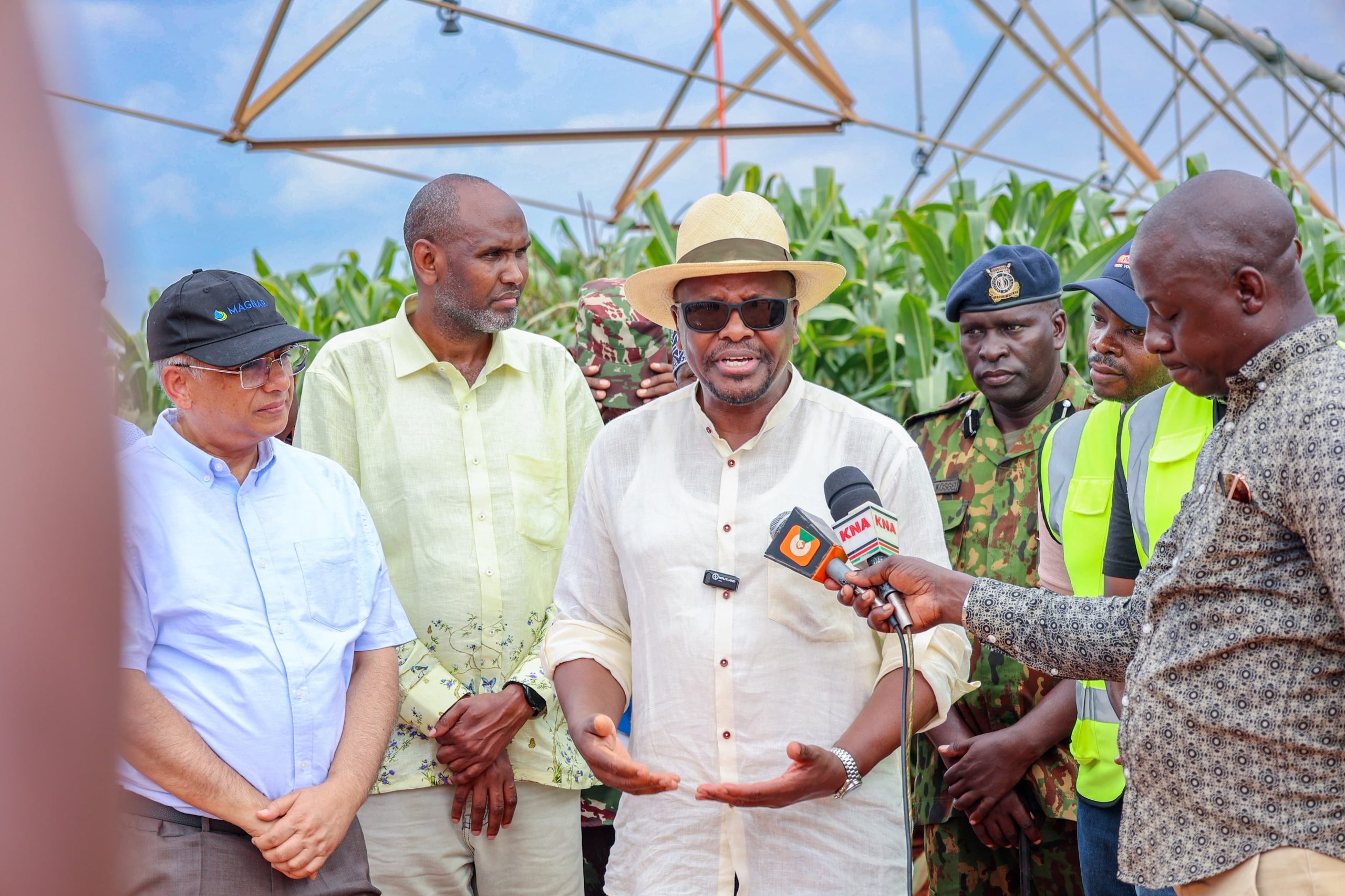
According to Kantaria, the scale of public investment has significantly reduced risk for private operators and created conditions for modern, technology-driven agriculture in what was previously underutilised land. The scheme spans parts of Kilifi and Tana River counties and is positioned to become one of the largest irrigated farming zones in the region.
Two private operators currently active within the scheme were singled out in Kantaria’s update as examples of the model’s potential. Selu Group, led by Mr. Peter Njonjo, and Nyumba Foundation, led by Mr. Kirtan Patel and his family, are deploying advanced farm machinery, precision irrigation and modern management systems. Kantaria noted that these approaches have already led to a significant uplift in productivity, with farm yields reportedly doubling.
He described both companies as well-led and forward-looking, pointing to their operations as evidence that large-scale farming in Kenya can be commercially viable when matched with the right infrastructure and policy support. Beyond increased output, the farms are contributing to job creation, skills transfer and economic activity in surrounding communities.
Kantaria also drew attention to the scale of opportunity that remains at Galana Kulalu. Approximately 1.2 million acres of land are still available for leasing, and the government is actively seeking additional investors under its Large-Scale Commercial Irrigation initiative. The focus, he said, is on attracting serious agribusiness players capable of committing capital and operating over the long term.
His update suggests that Galana Kulalu is moving beyond its earlier challenges and into a phase of execution and expansion. As Kenya grapples with rising food demand, climate pressures and global supply disruptions, the project is increasingly being positioned as a cornerstone of the country’s food security strategy.
The developments at Galana Kulalu, as outlined by the ASNET chairman, highlight how long-term land leasing, backed by public investment and private sector expertise, could reshape Kenya’s agricultural landscape and unlock large-scale food production for the future.