

Nairobi, Kenya – January 2026 – The Alliance for a Green Revolution in Africa (AGRA) has assumed hosting responsibilities for Phase 2 of the Africa Agriculture Transformation Initiative (AATI), marking a significant milestone in the continent’s agricultural development trajectory as the African Union launches its ambitious third Comprehensive Africa Agriculture Development Programme (CAADP) 2026-2035, which requires an estimated $100 billion investment to drive transformation across the continent.
Strategic Transition and Partnership Evolution
Effective January 1, 2026, AGRA took over the coordination of AATI Phase 2 in partnership with the International Fund for Agricultural Development (IFAD) and the Bill & Melinda Gates Foundation, following the successful completion of Phase 1, which ran from 2021 to 2025.
The transition represents a natural evolution from the founding partners’ original vision to have the Initiative hosted within an African-led institution. AATI was formally launched in July 2022 when the founding partners—Gates Foundation, IFAD, AGRA, and McKinsey & Company—signed a Memorandum of Understanding transforming the concept into a concrete delivery platform.
The initiative addresses a critical gap identified during the implementation of CAADP 1 and CAADP 2: the general absence of effective delivery and coordination mechanisms at national and sub-national levels, which hampered the implementation of agrifood development strategies across the continent.
Evidence-Based Lessons from Phase 1
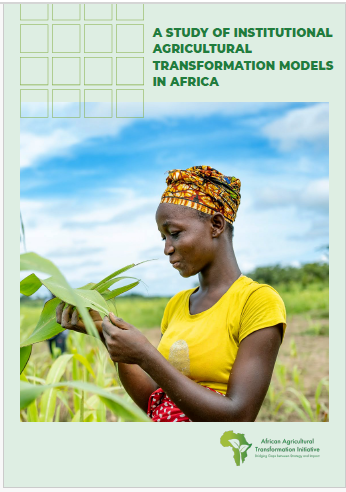
A comprehensive study commissioned by AATI documented extensive learnings from Phase 1, examining agricultural transformation models across Ethiopia, Sierra Leone, Tanzania, Togo, and Nigeria. The research analyzed delivery mechanisms across eight core dimensions: institutional anchoring, governance, financing, stakeholder coordination, analytics, political-managerial balance, sustainability and resilience, and catalytic impact.
Key findings from Phase 1 highlighted several success factors:
- High-level political sponsorship combined with genuine government ownership drives early momentum and sustains reform agendas
- Strategic institutional anchoring that balances autonomy with integration into national systems
- Clear mandates and focused flagship projects that demonstrate early wins and build credibility
- Strong in-house analytics capabilities for evidence-based policymaking
- Demand-driven stakeholder coordination coupled with multi-partner resource pooling
The study also identified common challenges, including vulnerability to political turnover, parallel mandates that create institutional tensions, coordination gaps, and the difficulty of transitioning from strategy to effective implementation due to capacity limitations.
AATI Phase 2 concentrates on supporting African governments that demonstrate strong political commitment to agriculture and food systems development. The program’s core mission is to establish or strengthen delivery and coordination mechanisms that can accelerate the implementation of private sector-oriented national and sub-national agrifood strategies.
According to African Union and NEPAD guidelines for CAADP implementation, such mechanisms are essential for effective agricultural transformation—a lesson learned from previous CAADP phases.
Centre of Excellence
A key feature of AATI Phase 2 is the establishment of a Centre of Excellence, which will be housed within AGRA. This hub will serve multiple functions:
- Peer-to-peer learning platform for African governments
- Playbook guidance for agrifood delivery mechanisms
- Advisory services to governments on implementation strategies
- Technical support provision for national transformation efforts
The Centre will leverage comprehensive learnings documented from AATI Phase 1, as detailed in a report produced by IFAD partners.
Focus and Strategic Objectives
AGRA is currently preparing to staff both the Centre of Excellence and two national Agriculture Transformation Offices that will continue receiving support in Phase 2:
- Sierra Leone Agriculture Transformation Office
- Tanzania Agriculture Transformation Office
These offices will build upon foundational investments made during Phase 1, strengthening their capacity to drive agricultural transformation at the national level.
Alignment with Continental Priorities and CAADP 2026-2035
The initiative’s timing aligns strategically with the African Union’s accelerated focus on developing the continent’s agriculture, agro-processing, and food sectors. The launch of CAADP 2026-2035, adopted at an Extraordinary Summit of the African Union in Kampala in January 2025, represents the third iteration of Africa’s comprehensive framework for agricultural development.
The Kampala CAADP Declaration on Building Resilient and Sustainable Agrifood Systems in Africa sets out a ten-year plan with six commitments and 35 intervention areas, requiring an estimated $100 billion investment by 2035. The declaration emphasizes:
- Private sector engagement and commercial agriculture value chains
- Regional trade integration and market access
- Value chain development and agro-processing capabilities
- Food security, nutrition, and food sovereignty
- Climate-smart and sustainable agricultural practices
- Empowering youth and women as key drivers of transformation
- Accelerating the African Soil Health and Fertilizer Agenda
AATI Phase 2 is designed to support governments in translating these continental commitments into actionable national strategies and measurable results.
Recruitment and Expansion
AGRA has announced it will soon be advertising positions related to the Centre of Excellence and the supported Agriculture Transformation Offices. Interested professionals are encouraged to monitor AGRA’s website for upcoming job postings.
Acknowledgments and Leadership
The successful transition from Phase 1 to Phase 2 has been attributed to strong partnership and leadership, particularly the work of Safia Boly and her team who led AATI Phase 1. Key partners in the initiative include Enock Chikava and the team at the Gates Foundation, Dr. Donal Brown and colleagues at IFAD, and Omid Kassiri and team for their Phase 1 investments.
Implications for African Agriculture
The AATI Phase 2 initiative represents a critical evolution in how African countries approach agricultural transformation. By focusing on institutional mechanisms and coordination frameworks, the program addresses systemic challenges that have previously limited the effective implementation of agricultural policies and strategies.
For the horticultural sector specifically, improved delivery mechanisms could enhance:
- Market linkages for smallholder farmers
- Access to quality inputs and technologies
- Post-harvest handling and storage infrastructure
- Export market development
- Value addition and processing capacity
As African governments increasingly recognize agriculture as a driver of economic growth and food security, initiatives like AATI Phase 2 provide the institutional architecture necessary to translate political commitment into tangible results on the ground.
For more information about AATI Phase 2 and upcoming opportunities, visit the AGRA website or contact the organization directly.
About AGRA: The Alliance for a Green Revolution in Africa works with governments, researchers, and farming communities to build sustainable food systems across the continent.
About CAADP: The Comprehensive Africa Agriculture Development Programme is the African Union’s framework for agricultural transformation, renewal, and development across the continent.