


The Pest Control Products Board (PCPB) has issued a stern warning on the dangers of illegal pest control products in Kenya. Unregistered, counterfeit, smuggled, obsolete, or repackaged pesticides pose significant risks to crops, human health, the environment, and the national economy.
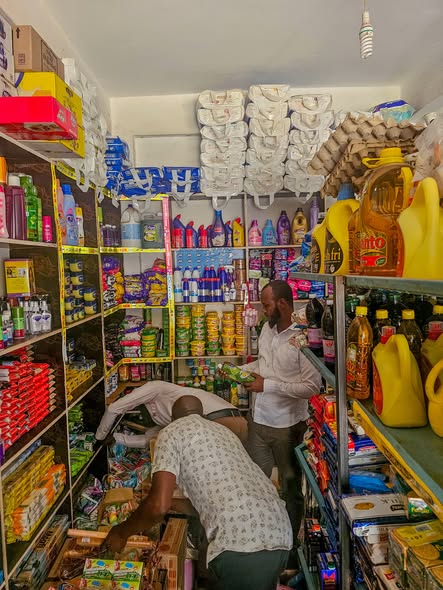
This week, enforcement operations were conducted in Oloitoktok and Taveta Counties, targeting illegal agro-dealer shops, farms, and general stores. In Taveta, particularly in Madarasani, Challa, Maandakini, and Taveta Market, authorities seized illegal products including Dudu Acelamectin, a pesticide not registered for use in Kenya. Several stockists were arrested and arraigned at the Taveta Principal Magistrates Court for selling unregistered and illegal pest control and public health products.
PCPB Reminds Agro-Dealers and Farmers:
- Agro-dealers: Only sell PCPB-registered products. Verify registration on the PCPB website.
- Farmers and users: Always check for a valid PCPB registration number, proper labeling in English and Kiswahili, and a Kenyan distributor.
Saving a few shillings should never compromise safety, crop quality, or consumer health.
Common Categories of Illegal Pesticides in Kenya:
- Counterfeit/Fake – Imitations of genuine PCPB-registered products.
- Smuggled products – Illegally brought from other countries, not registered in Kenya.
- Unregistered products – Locally manufactured but lacking PCPB registration.
- Repacked products – Pesticides removed from their original containers.
- Improperly labelled – Products without a PCPB-approved label.
- Banned products – Pesticides legally removed from sale and use in Kenya.
Farmers are urged to remain vigilant, report illegal products to authorities, and prioritize safety over savings. The use of illegal pesticides not only endangers crops but can have long-term health and environmental consequences.
For more updates on agriculture and crop protection, follow Hortinews.