

The inaugural UK-Kenya Business Forum has brought together over 180 business leaders and senior government officials to strengthen economic ties between the two nations, with significant implications for Kenya’s horticultural sector.
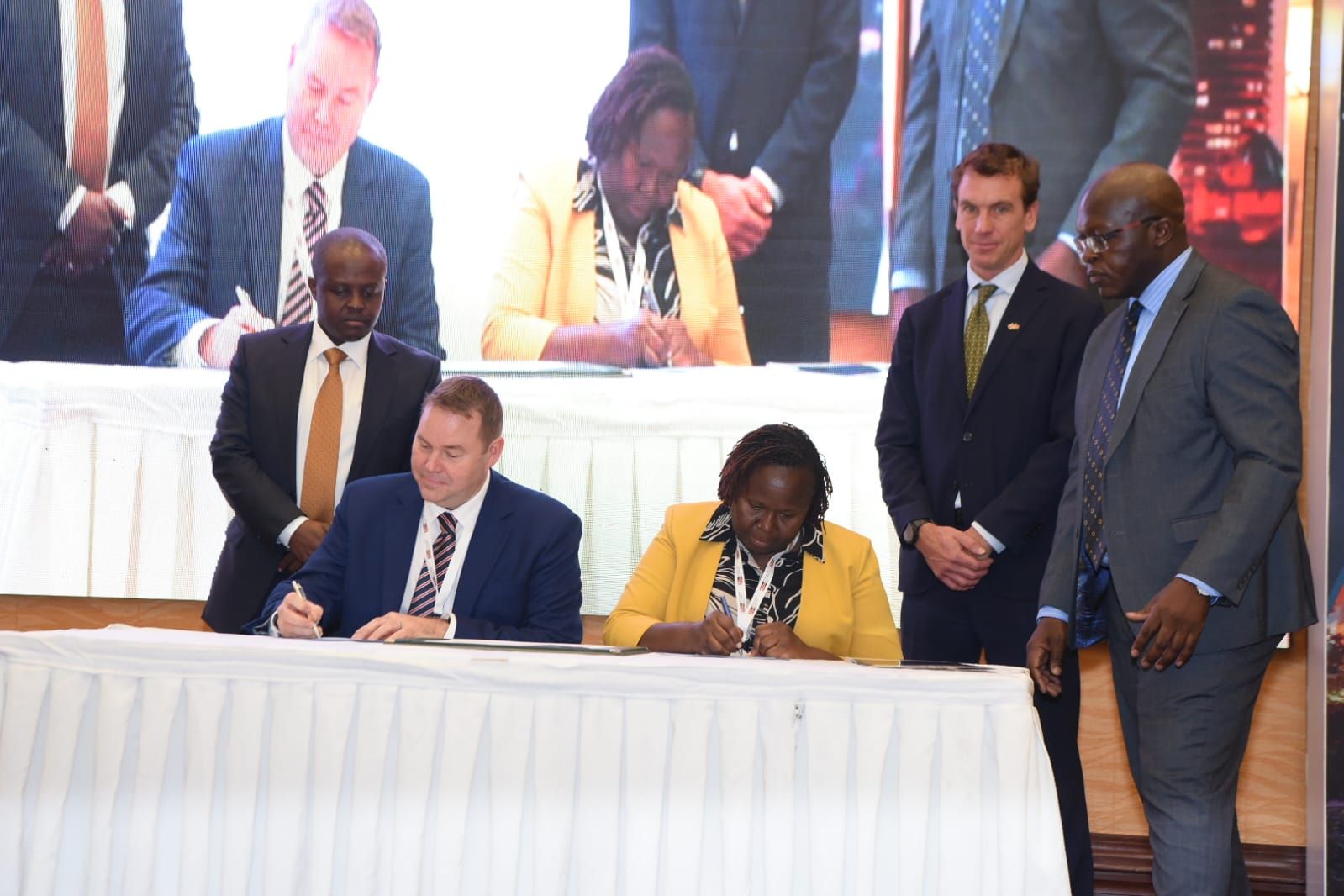
Among the key agreements announced at the forum was a partnership between UK water treatment specialists Scotmas and Kenyan agricultural supplier Elgon Kenya to expand safer crop protection solutions across East Africa.
This collaboration is particularly significant for horticulture and floriculture producers. Elgon Kenya Limited has established itself as a profitable business partner to the horticultural and floricultural industries in the East and Central regions of Africa since its inception in 1898, meeting almost 90% of farm agri-input requirements, especially in the floriculture sector.
Scotmas, a family-owned business based in Kelso, Scottish Borders, is a leader in eco-friendly disinfection technologies, employing 50 staff and specializing in using chlorine dioxide to control bacteria and pathogens in water. The company’s technology is already treating over two billion litres of water daily in markets including New Zealand, Dubai, and Chile.
The MOU focuses on low-toxicity crop protection solutions, which could help Kenyan horticultural producers meet increasingly stringent export market requirements while maintaining environmental sustainability.
The partnership signing was witnessed by Mr. John Mwendwa, CEO of Kenya Investment Authority; Mr. Abubakar Hassan Abubakar, Principal Secretary for Investment Promotion; and H.E. Dr. Ed Barnett, Chargé d’Affaires at the British High Commission, Nairobi.
A second MOU was also signed between Forth Valley College, Scotland, and Kenya’s National Industrial Training Authority to strengthen skills development and technical training.
Trade between Kenya and the UK surpassed KES 340 billion for the first time last year, with both countries aiming to double trade by 2030.