

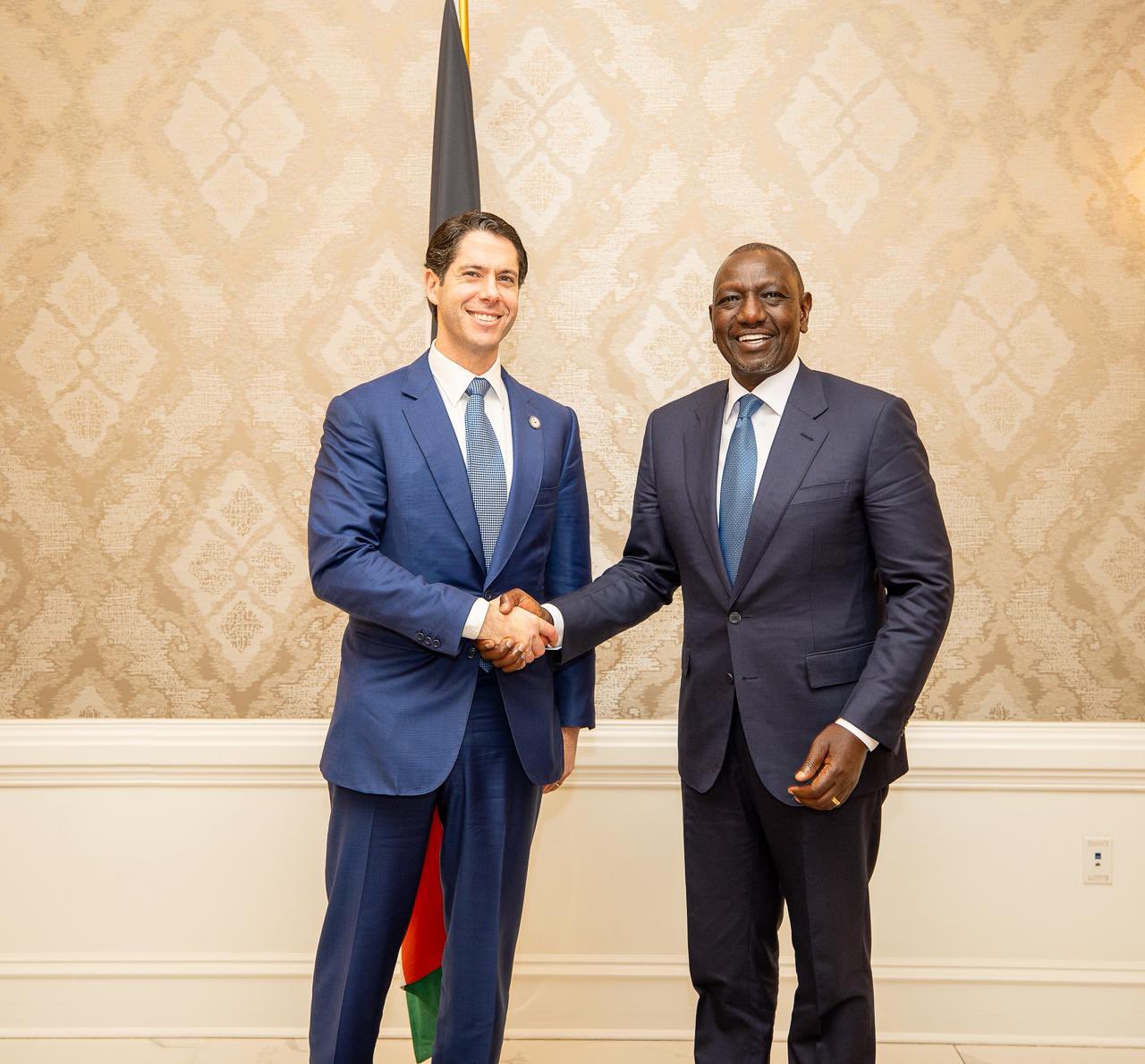

Kenya has finalized a US$1 billion debt-for-food swap with the U.S. International Development Finance Corporation, creating an unprecedented opportunity to redirect fiscal savings into food security, irrigation, and climate-smart agriculture.
This arrangement aims to restructure part of Kenya’s sovereign debt on concessional terms, unlocking fresh space in the national budget to invest directly into agriculture and nutrition programmes—rather than sinking billions into expensive debt servicing. Instead of channelling scarce resources toward expensive debt servicing, the savings generated from this arrangement will be directed into strategic food security programmes. Kenya has committed to ring-fencing part of these savings—expected to be at least thirty-five percent—into areas that directly strengthen agricultural resilience and production. Among the priority areas are climate-smart agriculture, expansion of irrigation capacity, reinforcement of agricultural value chains for both domestic and export markets, and the sustainability of the national school feeding programme which supports millions of children.
The logic behind the debt-for-food swap is relatively straightforward: restructure debt, reduce repayments, redirect funds into agriculture. What remains less straightforward, and perhaps more critical, is whether these funds will actually translate into long-term agricultural transformation. Kenya’s food systems remain highly vulnerable to climate shocks, unpredictable rainfall, supply chain disruptions and import dependence. Without structural investment, especially in irrigation and water security, the country remains exposed to recurring food insecurity cycles.
This deal could therefore mark a turning point. By shifting resources toward irrigation and climate-smart agricultural systems, Kenya stands a chance of increasing productivity, reducing weather-related losses, and strengthening the competitiveness of local producers. Improved value-chain linkages could help farmers access markets more reliably, reducing post-harvest waste and opening doors for agro-processing and export opportunities. At the same time, reinvesting in the national school feeding programme supports nutrition outcomes while creating stable demand for local produce, particularly staple crops.
This partnership with the DFC and involvement of the World Food Programme arrives at a time when economic pressures have forced Kenya into difficult decisions regarding debt management and public budgeting. Directing fiscal savings toward food security is not just a development gesture—it is an economic strategy meant to stabilise food supply, manage inflation pressure and reduce reliance on costly imports. Whether that promise materialises will largely depend on transparency, policy execution and the government’s ability to ensure that the allocated funds actually reach agricultural and climate-smart initiatives.
For now, the debt-for-food swap offers a practical path that combines financial restructuring with food system resilience. If the commitment is followed through, Kenya could be laying the foundation for a more secure and climate-adapted agricultural future. If not, it risks becoming another impressive announcement with limited impact on farmers and consumers. The stakes are high, but so are the potential benefits, making this deal one of the most closely watched developments in Kenya’s agricultural and economic landscape.