

“Agriculture cannot succeed on business-as-usual thinking” — IGAF 2025 opens in Naivasha
By Anita Nkirote | Published: 27–28 November 2025 | Naivasha, Enashipai Resort & Spa
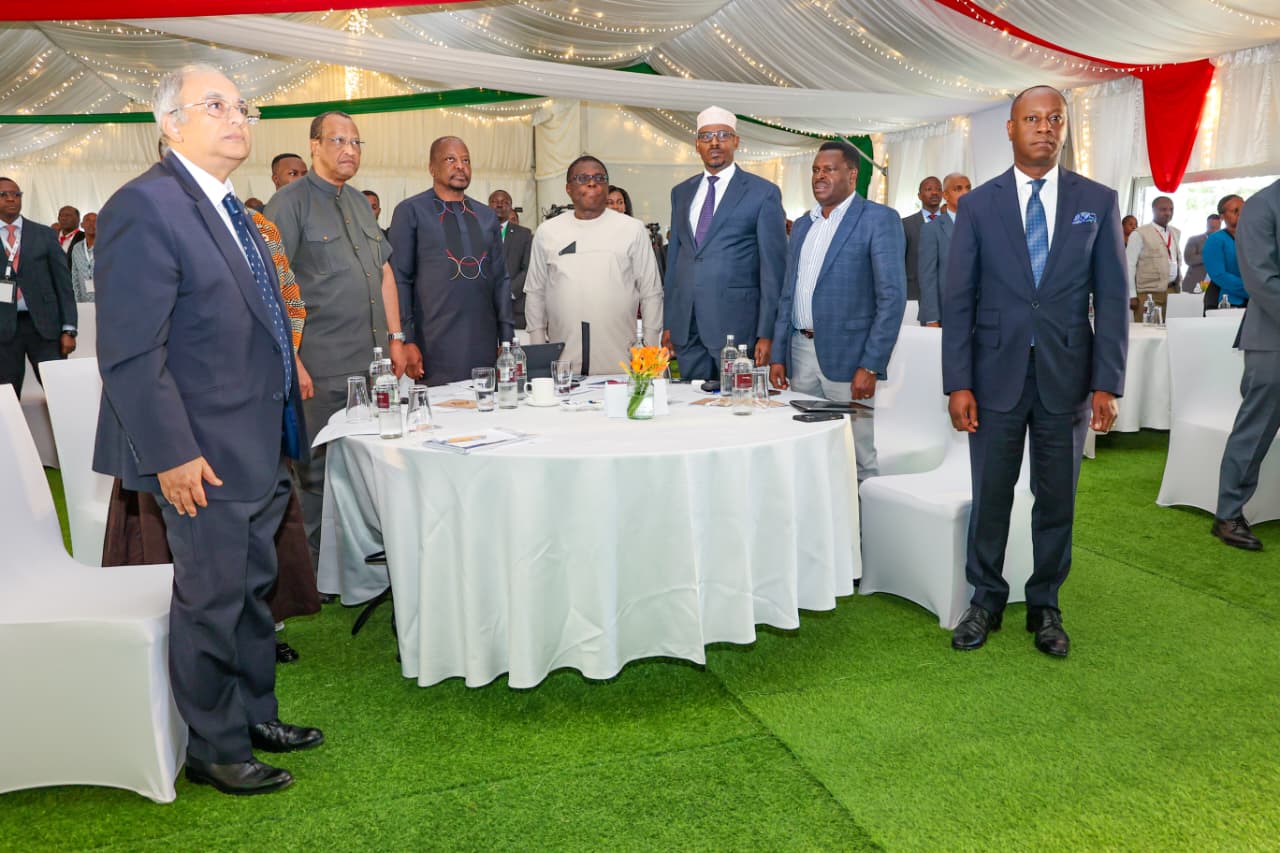
The two‑day Intergovernmental Agriculture Forum (IGAF) 2025 — held at Enashipai Resort & Spa in Naivasha on 27–28 November 2025 — opened under a blunt, urgent directive: Kenya’s agriculture cannot make the leap forward it needs if the sector keeps doing the same things, the same way. Cabinet Secretary for Agriculture and Livestock Development, Sen. Mutahi Kagwe, used his opening address to challenge county governments, the private sector and development partners to abandon complacency and back a rapid, technology‑driven transformation of the nation’s food system.
“Technology is what will change agriculture. But our officers and graduates must be trained for that future. In five years, 50% of Ministry of Agriculture staff will retire. KALRO does not have enough scientists. We must rebuild our human capital now.” — CS Mutahi Kagwe.
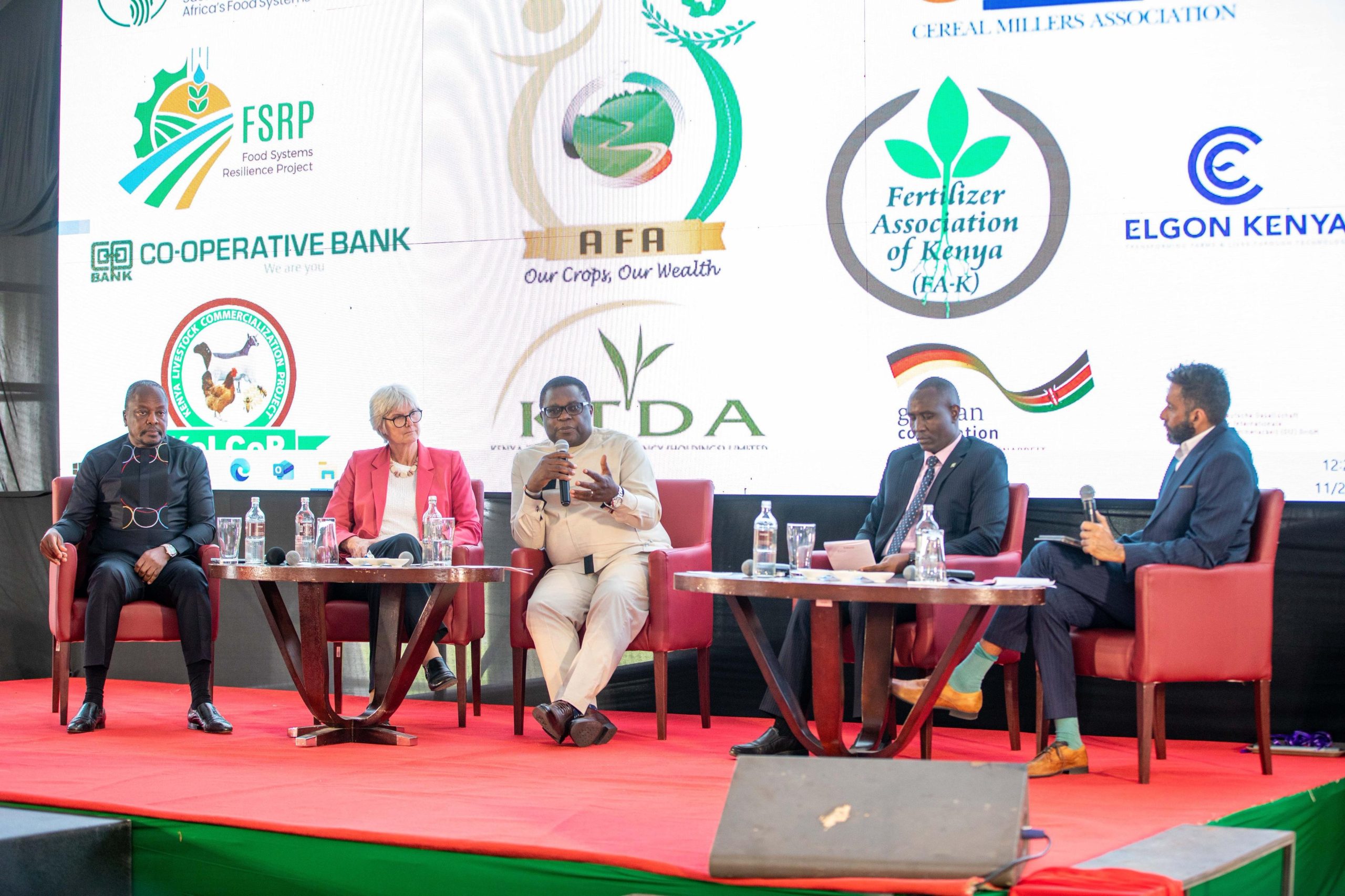
IGAF 2025 convened an authoritative mix of national and county leadership: CS Mutahi Kagwe and Principal Secretary Jonathan Mueke; Council of Governors Chair Ahmed Abdullahi and Vice‑Chair Muthomi Njuki; County Governors including Ken Lusaka, Andrew Mwadime and Nathif Jamaa; CECs for Agriculture from all 47 counties; CEOs and board chairs of agricultural agencies; research institutions and private‑sector agribusiness leaders. The forum is a constitutional platform designed to align national policy with county implementation — and this year it came with louder demands for accountability and measurable action.
CS Kagwe’s had a direct appeal to lenders and development partners: lower lending rates for agriculture to the 3–4% range and restructure donor programmes so that at least 80% of funds go directly to farmers, with the remaining 20% covering administration and logistics. Kagwe argued that persistent high interest rates and donor models that over‑inflate administrative budgets have locked farmers out of meaningful investment and productivity gains.
“Let’s forget capacity building. We have built enough capacity. What we need now is investment that actually reaches the farmer,” he said, urging that financing instruments must be tailored to farming realities — seasonal cash flows, commodity cycles and commodity‑specific repayment profiles.
Kagwe framed technology as the central catalyst for change: precision farming, digital advisory services, soil‑map linked input systems and agritech tools that offer real, measurable yield improvements. Delegates stressed that the starting point must be science‑based soil health programmes — wide‑scale soil testing, targeted input recommendations and certified seeds matched to local agroecologies. These interventions, when combined with climate‑smart practices and value‑chain investments, can lift yields while reducing waste and environmental damage.
Perhaps the most urgent alarm sounded at IGAF 2025 concerned people: Kenya’s agriculture architecture is ageing. Kagwe’s projection that roughly half of ministry staff will exit service within five years underscored a looming institutional gap. Research institutions like KALRO already report scientist shortages, and delegates called for aggressive recruitment, curriculum reform at agricultural colleges and a modernized extension service that can deliver digital tools and timely advice to farmers.
Counties emerged from the forum with a clear message: national policy only works if counties treat agriculture as an investment priority, not just a routine line item. Governors and county agriculture CECs were urged to implement climate adaptation plans, create investor‑friendly frameworks, and establish reserve mechanisms for strategic grain and feed — measures that would protect livelihoods against drought and market shocks.
IGAF’s sessions highlighted immediate risks from depressed short and long rains across parts of Kenya. Speakers pushed for coordinated contingency planning: strategic grain and hay reserves, early warning systems, targeted social protections for pastoral and marginal farming communities, and rapid roll‑out of drought‑tolerant varieties. Improved post‑harvest handling, storage and logistics also featured as essential investments to limit food losses and support price stability.
Private investors and agribusiness leaders at the forum were asked to step up — not simply as suppliers, but as partners in building value chains. That included increased investment in agro‑processing, cold storage and market access platforms that enable farmers to capture higher shares of the value created on their farms. Delegates argued that public‑private partnerships, matched grants and blended finance models can unlock the infrastructure needed to scale production into markets.
IGAF 2025 repeatedly returned to outcomes and accountability. Success, delegates argued, should be measured by improvements at the farm level: increased farmer incomes, reduced post‑harvest losses, higher adoption of certified inputs and agritech, and demonstrable climate resilience. The forum recommended clear KPIs for donor programmes, county performance metrics, and transparent reporting frameworks so that funds and technology actually reach farmers rather than staying in administrative overheads.
- Kenya is now gearing up for a renewed wave of affordable, agriculture-friendly credit solutions designed specifically around real farming cycles. Expect to see financing with longer repayment periods and better de-risking structures that finally acknowledge how farmers actually earn. Counties will also be placing far more emphasis on soil testing and precision input use, which means suppliers and service providers should brace for a sharp rise in demand for scientific soil analysis, targeted fertilizers and climate-smart technologies.
- At the same time, the sector is staring at a major talent shift. The country will need an accelerated intake of young scientists, extension officers and digitally skilled technicians to sustain the next phase of agricultural modernization, pushing training institutions and employers to intensify recruitment and skill-building programmes.
- For private-sector players, especially those in irrigation, processing, storage and market-linkage technology, this transition opens a clear opportunity. Those who position themselves as long-term partners in value-chain development — not just vendors — stand to gain the most as counties and national programmes scale up implementation.
Turning IGAF 2025’s declarations into tangible change requires follow‑through: county action plans that translate national targets into local projects; donor agreements that embed the 80/20 accountability threshold; financing products with realistic rates and terms for farmers; and urgent recruitment and training programmes to replenish institutional expertise.
Without deliberate, measurable action, IGAF risks becoming one more set of grand statements. But if counties, the national government, donors and the private sector co‑design implementation plans and hold themselves to clear KPIs, then the forum could mark a decisive pivot toward a modern, resilient and profitable Kenyan agriculture.