

Kenya continues to grapple with the risk of hunger despite significant government investments in fertiliser and agricultural inputs, according to experts in agriculture and food security. The country has consistently fallen short of key targets set by the African Union to drive agricultural growth and ensure food security.
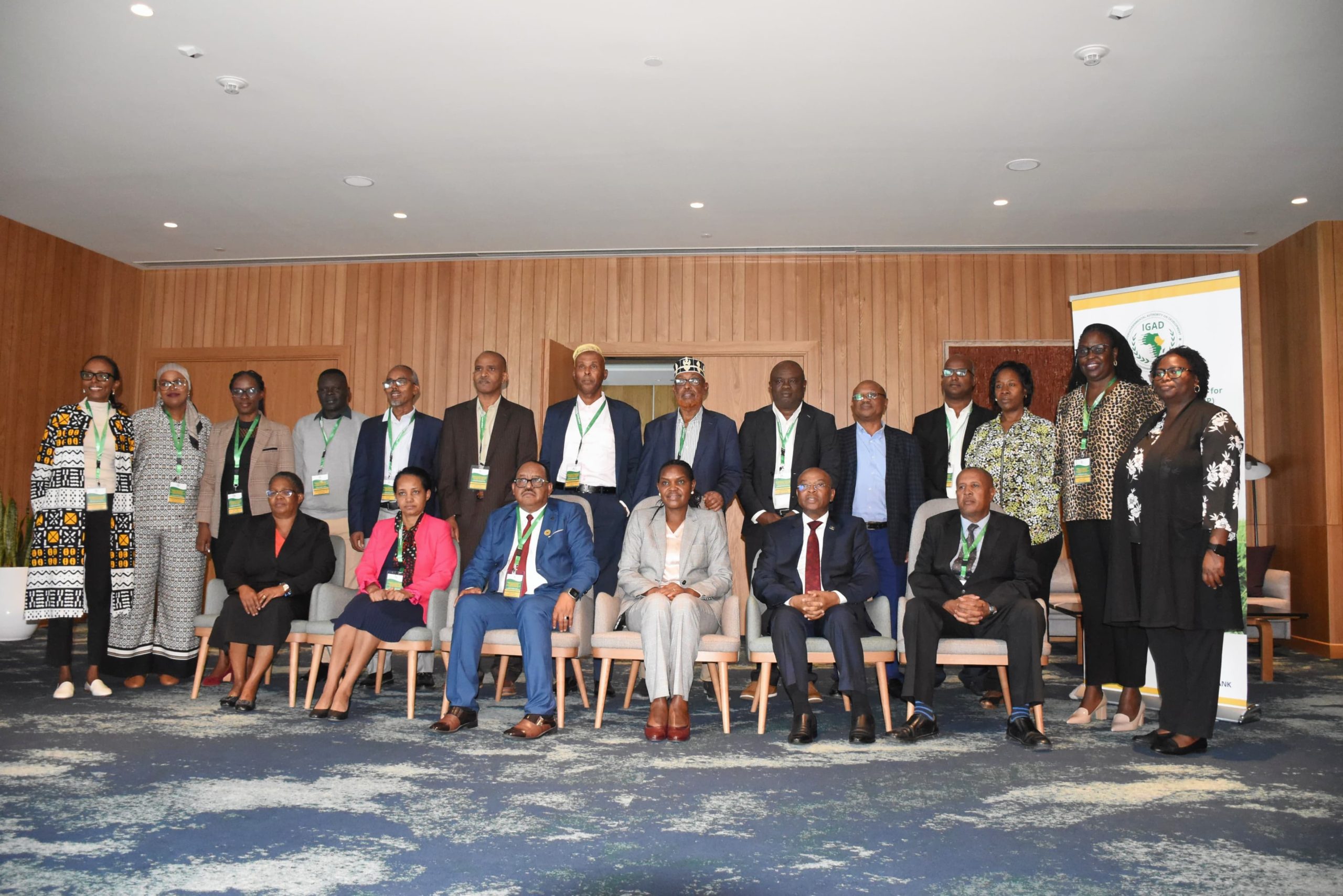
Speaking at the Fifth Biennial Review validation forum, Rashid Khator, Administration Secretary in the State Department for Agriculture, highlighted Kenya’s failure to meet the Malabo Commitments, adopted by African leaders in 2014. These commitments require nations to allocate at least 10% of their GDP to agriculture to achieve a minimum 6% annual growth in agricultural GDP. “In the 2019 Biennial Review, Kenya scored 4.88 against a benchmark of 6.66, and in the third review, we scored 5.62 against 7.28, still missing the mark,” Khator stated. He attributed the shortfall to data gaps and low performance in critical areas such as poverty reduction, food security, trade, agricultural services, and public investment.
Sylvia Henga, a policy and food security expert at the Intergovernmental Authority on Development (IGAD), echoed these concerns, noting that Kenya’s progress toward eliminating hunger by 2025 remains inadequate. “The Fourth Biennial Review, released in January 2024, shows Kenya is off track on nearly all commitments to end hunger,” Henga told Hortinews. She emphasized the need to prioritize soil health and environmental sustainability alongside efforts to boost productivity through fertiliser subsidies. “While government interventions are commendable, we must focus on sustainable practices to ensure long-term food security,” she added.
Henga also stressed the importance of public awareness campaigns on nutrition and food safety to address rising obesity rates in Kenya. “We need to educate Kenyans on healthy diets and promote urban planning that encourages active lifestyles, such as walking and cycling,” she said, advocating for a multi-sectoral approach that includes infrastructure development to transform agriculture.
A 2024 report by the Comprehensive Africa Agriculture Development Programme (CAADP) revealed that 62 million people in the Horn of Africa faced hunger, underscoring the urgency of coordinated efforts to enhance food production. “Agriculture is the backbone of most African economies, yet food insecurity remains a criticalsony critical challenge,” Henga noted. “Stronger, unified action is essential to advance the food security agenda across the region.”